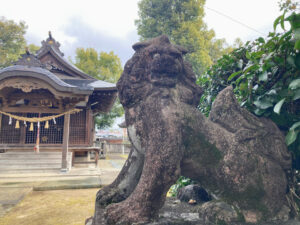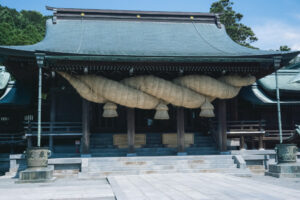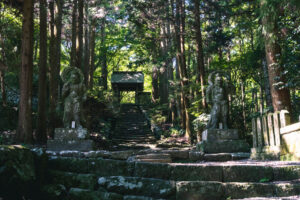

用事があり北九州市立美術館エリアを調べた時に見つけた、美術館近くの「枝光八幡宮」。
少し調べてみたら、神社内に珍しい咳の神様が祀られていて、その神社の名前は「中臣神社」。
今を去る二千数百年の昔、神功皇后三韓御征伐のみぎり、御船にて海路この地を(ロイヤルホテル跡地より 西北九百村の海岸の小島の浜と伝えられている) 舟行され、海路の安穏を祈り中臣である島賊津臣をして道祖神を鎮祭された。その後、官営製鉄所建設、第一期拡張工事用地となり市杵嶋姫神社を 合祀、明治四十年当八幡宮境内にお移しし、爾来五十年戦火ために社殿はいたく損なわれていたの 昭和三十三年四月、八幡製鉄所の寄進よって現在の姿に再建された。古くから咳の神様、病気が治る神様としても崇められており、各地から参拝者が訪れる。
枝光八幡宮ホームページから引用
枝光八幡宮のホームページで紹介されている「中臣である島賊津臣」とは、日本書紀で「豪族」として、日本書紀では「中臣の祖」として伝えられている中臣烏賊津使主(なかとみのいかつのおみ)(または雷大臣命[いかつおおおみのみこと]という情報もあり)という人物のようだ。
コトバンクによれば「続日本紀」で中臣氏の祖先とされている。
また、このエリアはかつて海がすぐ近くにあり、中臣島という島があったという。
貝原益軒が、1703年(元禄16年)七十三歳のとき、藩主に献上した「筑前国続風土記」その後編纂された「筑前国続風土記附録」「筑前国続風土記拾遺」に、葛島、松が島(はだか島・はた島・中島)、俵子島、端の島、中臣島、裸島の事が書かれていますが、現在その姿は葛島と右の大正4年に建立された松ヶ島埋立て記念碑にその面影をたどることが出来ます。
北九州市立枝光北市民センター ホームページから引用
そして「中臣島」が、その後「中富島」に名前を変えたという情報もあったが、ソースが不明なのでまた何か分かれば別に記事にしたい。
ただ、「とみ」という読みの字が「臣」から「富」になったというのは気になる点だ。
備忘録代わりに書き留めておく。

この記事を読んでいる方におすすめの記事
中臣氏・藤原氏の関連記事・連載記事まとめ↓

牛頭天王と藤原氏(中臣氏)と龍神信仰の交点が姫路にある?↓

歴史の謎の記事をまとめて読む↓

English Summary
An English summary has been added below to share these records with residents around the world.
Please note: This summary was generated using AI translation (DeepL or Gemini). While we strive for accuracy, some technical terms or subtle nuances of local history may differ from the original Japanese.
Topic: Traces of the Nakatomi Clan: The Nakatomi Shrine within Edamitsu Hachiman-gu.
Summary: While exploring the area near the Kitakyushu Municipal Museum of Art, the author discovered Nakatomi Shrine, located within the grounds of Edamitsu Hachiman-gu. The shrine’s origins date back to the legend of Empress Jingu, who tasked Nakatomi no Ikatsu no Omi—an ancestor of the powerful Nakatomi (and later Fujiwara) clan—with performing rituals for a safe maritime journey. Historical records, including those by Kaibara Ekken, mention a former island named “Nakatomi-jima” (Nakatomi Island) in the nearby sea, which has since disappeared due to land reclamation for the steel industry. The author also notes a potential name change from “Nakatomi (臣)” to “Nakatomi (富),” hinting at deeper shifts in how this priestly clan was recorded over time.