This article has been translated from the original Japanese using DeepL. Please note that some nuances or technical terms regarding local history may differ from the original.
For the original Japanese version : Click here
For a more immersive experience: If you’d like to explore this history through a story, please read the [Novel version on note (Click here)].
Looking back now, I can’t help but feel that it was the beginning of a mysterious, long journey where “everything was connected.”
The many keywords I’ve written about on this website—the right-facing triple-clover crest, Seoritsu-hime, Gozu Tenno, Kifune Shrine, Yasaka Shrine, and the memory of the sea lingering in the mountains.
I feel as though they are now connected by a single, thin thread.
Of course, I am no expert in history.
I am not in a position to judge whether the answers I have arrived at are academic facts.
Still, I can speak about the sense of dissonance I felt firsthand while standing on the ground, and the scenes I witnessed with my own eyes.
The footsteps I have recorded on this site so far have been, so to speak, scattered “dots.”
However, if I am to convey the true nature of this mystery to someone, I need a “line” to connect those dots.
In this series, I would like to look back on my journey thus far and shape the path I took to unravel this mystery into a narrative.
A formative experience: the otherworldly scenery I saw in the Kinki region during my childhood
I grew up in Osaka until I was in elementary school.
I experienced the excitement of the Gion Festival at my relatives’ home in Kyoto, and visited ancient capitals like Nara and Hyogo on school field trips and overnight camps.
But what remains most deeply etched in my memory is a visit to Mount Koya in Wakayama Prefecture, where my relatives took me.
For a child living in the urban heart of Osaka, the scene woven by towering trees reaching toward the sky, moss-covered stone steps, and stone lanterns stretching as far as the eye could see was truly like stepping into another world.
“It was scary, but so amazing I couldn’t look away.”
The impact I felt at that moment has remained deep within me, even as an adult.
Seeking respite from the hustle and bustle of daily life, I visited Munakata Taisha
After living in Hiroshima for a while, I moved across the sea to Kitakyushu City in Fukuoka Prefecture to pursue higher education.
In this place where I’ve spent most of my life, I got married, raised children, and started my own business.
Amid such a hectic daily life, shrines and temples had become “places I wasn’t very familiar with,” places I only visited for New Year’s prayers or family events.
The turning point came when I visited Munakata Taisha on a whim.
Munakata had been just a “town I passed through”—one I only ever saw on road signs while traveling from Kitakyushu to Fukuoka City.
Yet, for some reason, the words of a friend from my time in Hiroshima—who had said, “If I ever buy a car, I’ll definitely go to Munakata Taisha”—had stuck in my mind.
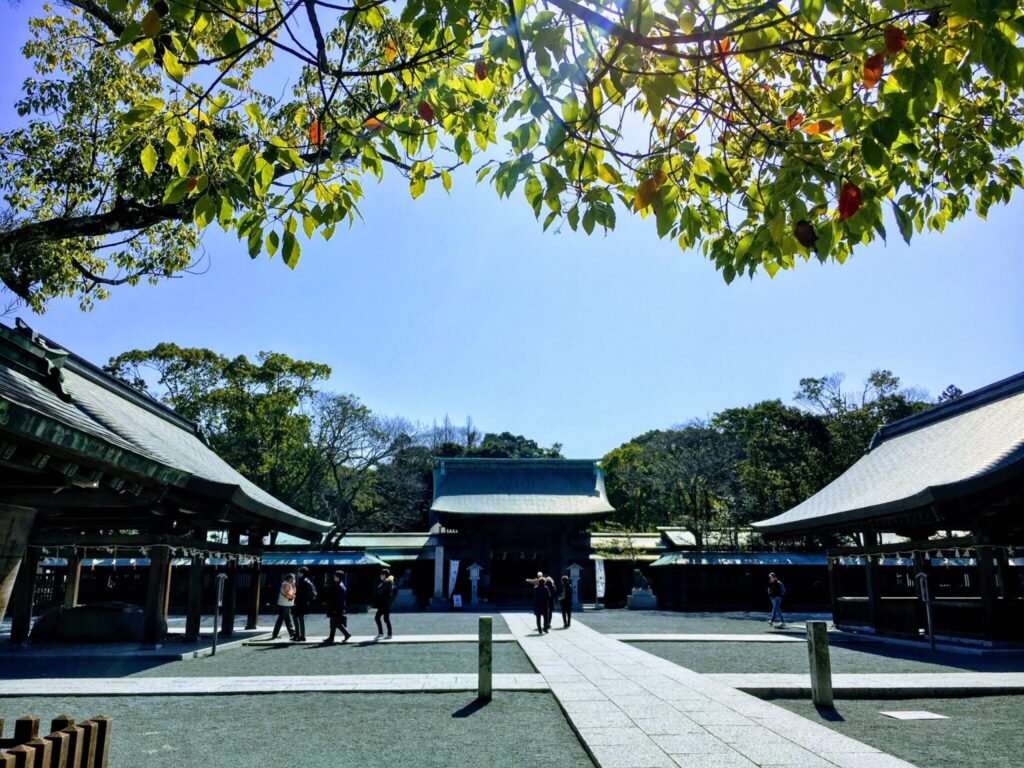
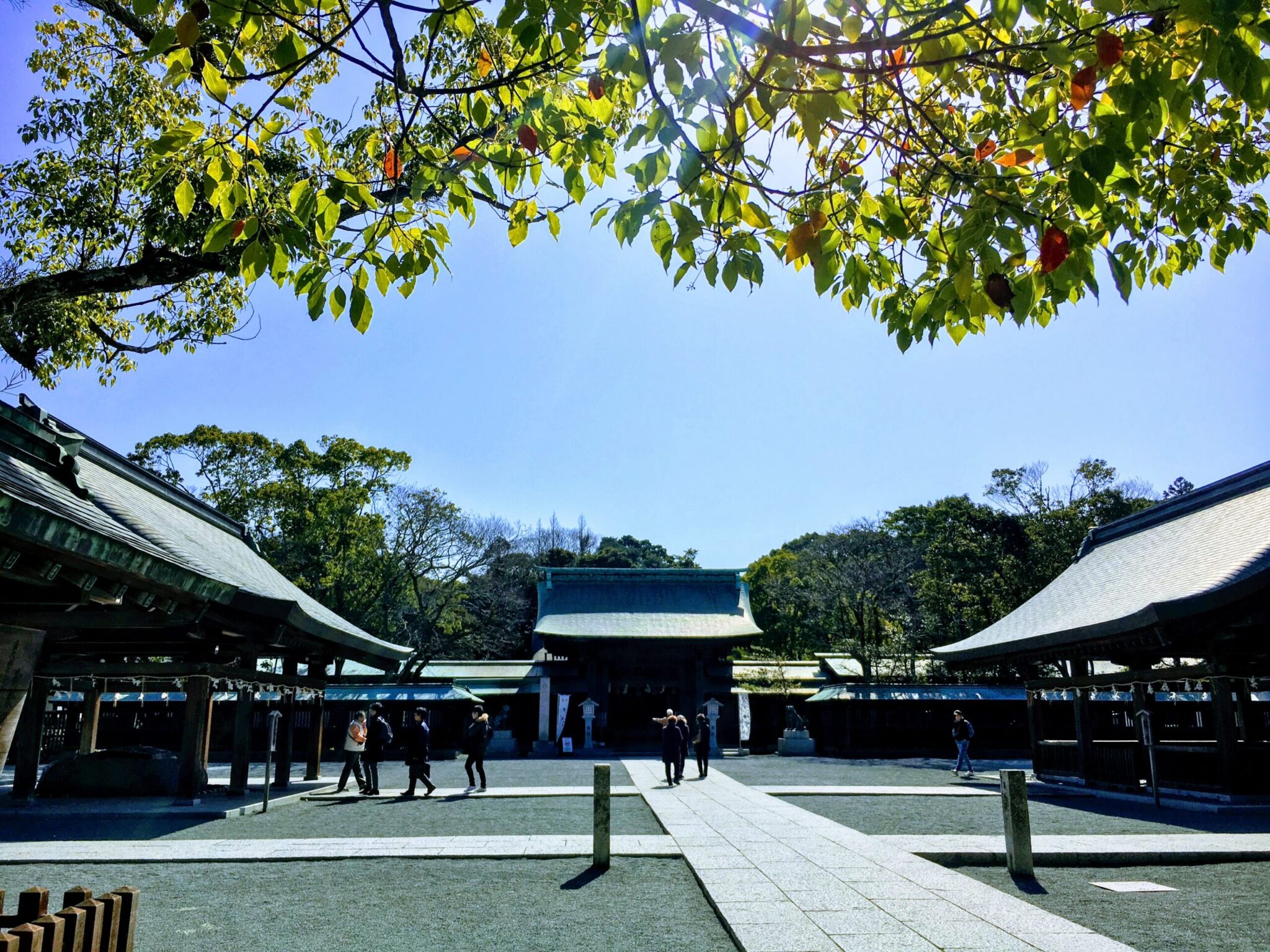
The first time I set foot on the shrine grounds, I found myself in a spacious, lush green space, completely removed from the hustle and bustle of the city.
“Wow, I never knew such a pleasant place existed.”
From that moment on, I began visiting Munakata Taisha whenever I had the chance.
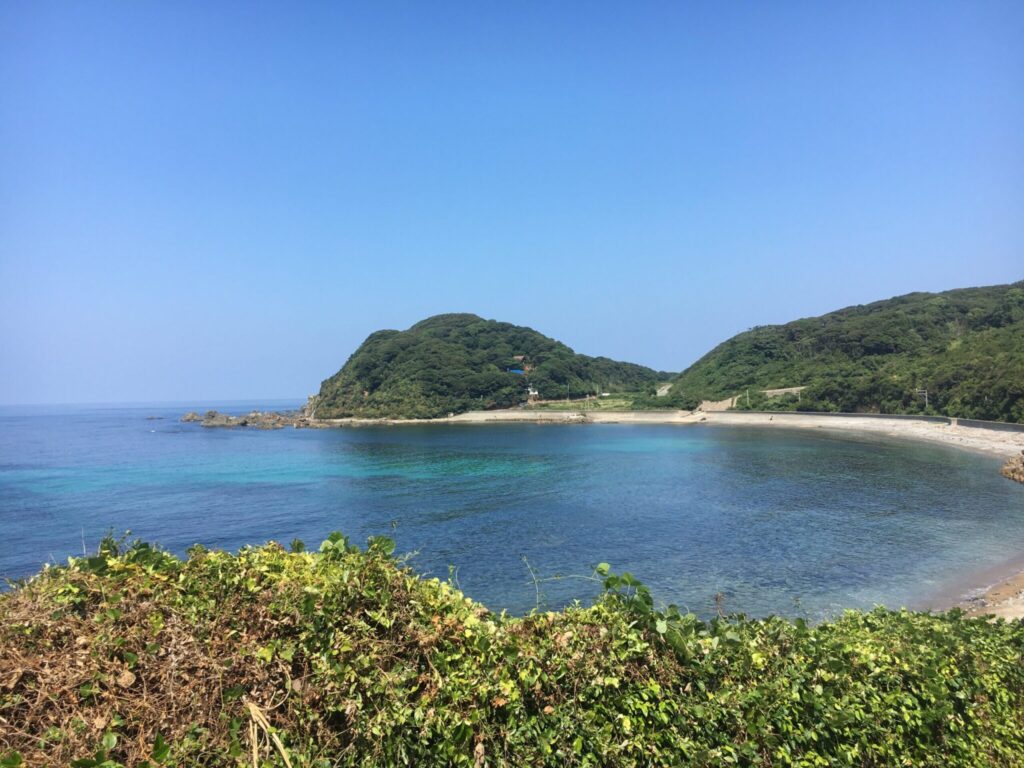
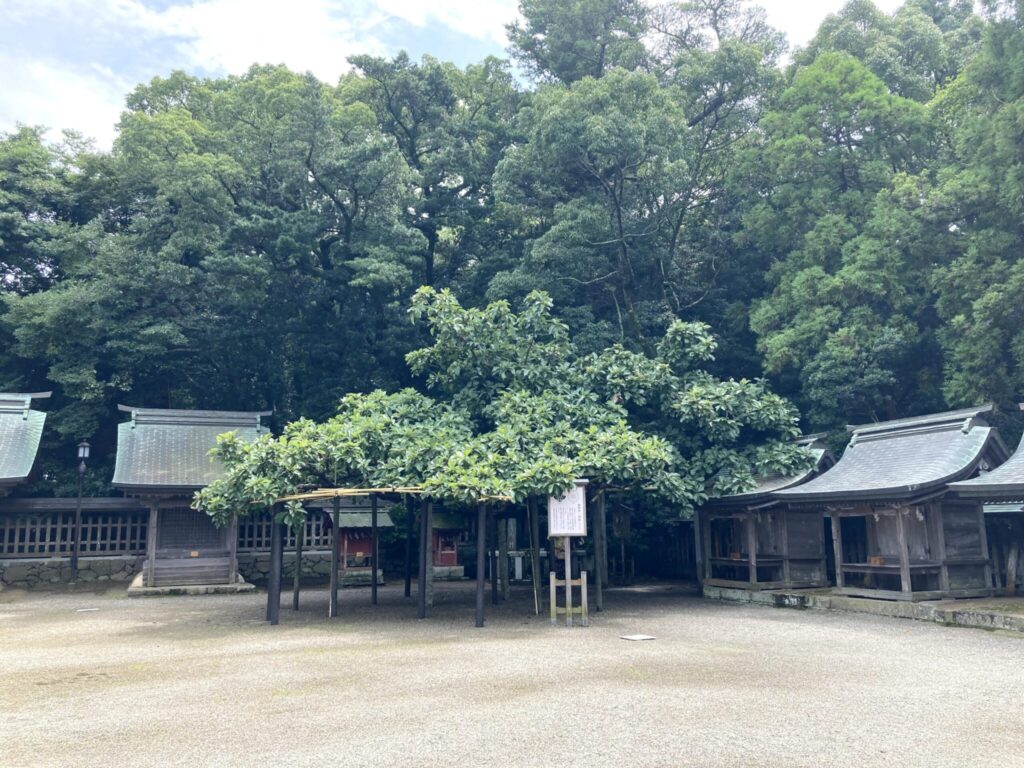
That connection grew, and I began visiting the Munakata Taisha Nakatsu-gu Shrine on Oshima Island as well.
Before I knew it, the places where I wanted to spend my days off had shifted from the city center, surrounded by high-rise buildings, to the suburbs, where lush nature still remains.
Days spent visiting shrines and temples with my camera in hand
As I gradually regained my energy, I began visiting shrines and temples with my camera in hand.
For me, the camera was a tool for my web design work; it wasn’t something I’d taken up out of personal interest.
I felt a sense of obligation: “I have to get better at this for work.”
But if I was going to take photos anyway, I wanted to capture places that truly intrigued me.
And so, I turned my lens toward “scenes from another world”—just like the ones I had once seen at Mount Koya.
Chinkoku-ji Temple in Munakata, Hiko-san Shrine.
Gazing at these otherworldly landscapes through the viewfinder, I felt a sense of healing wash over me.
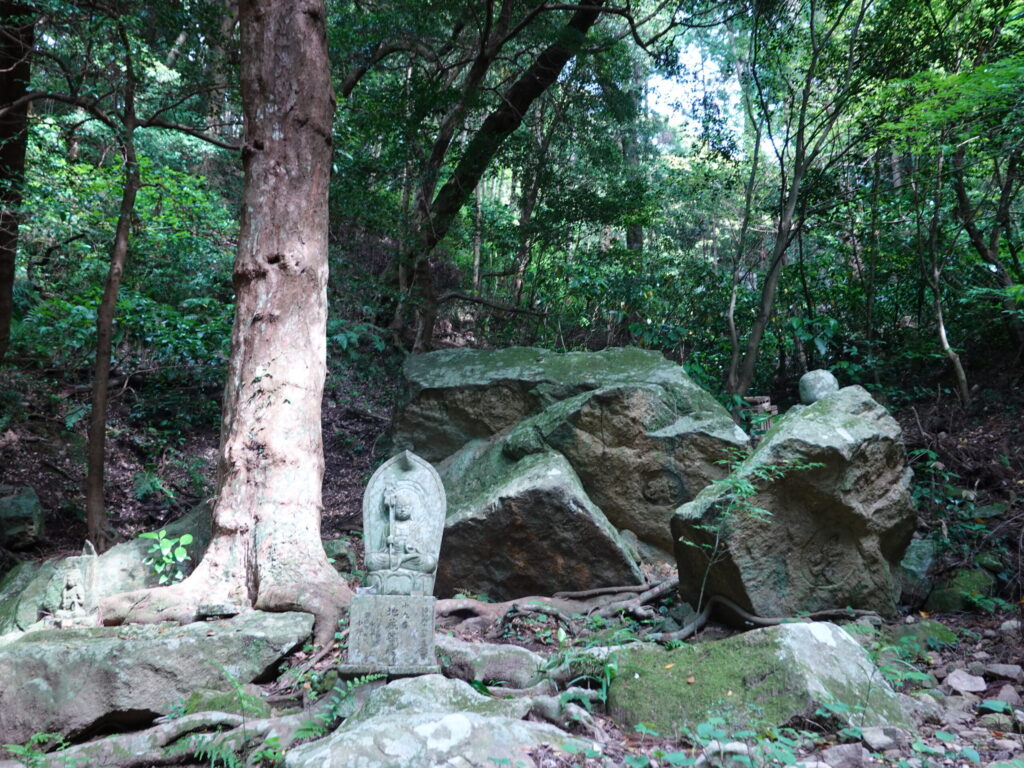
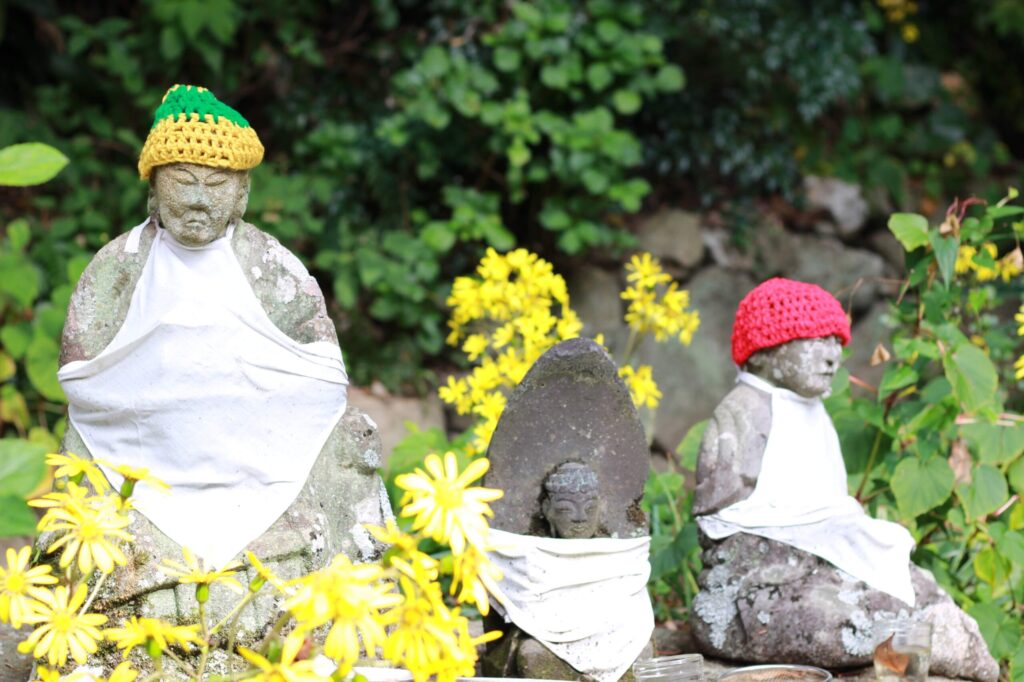
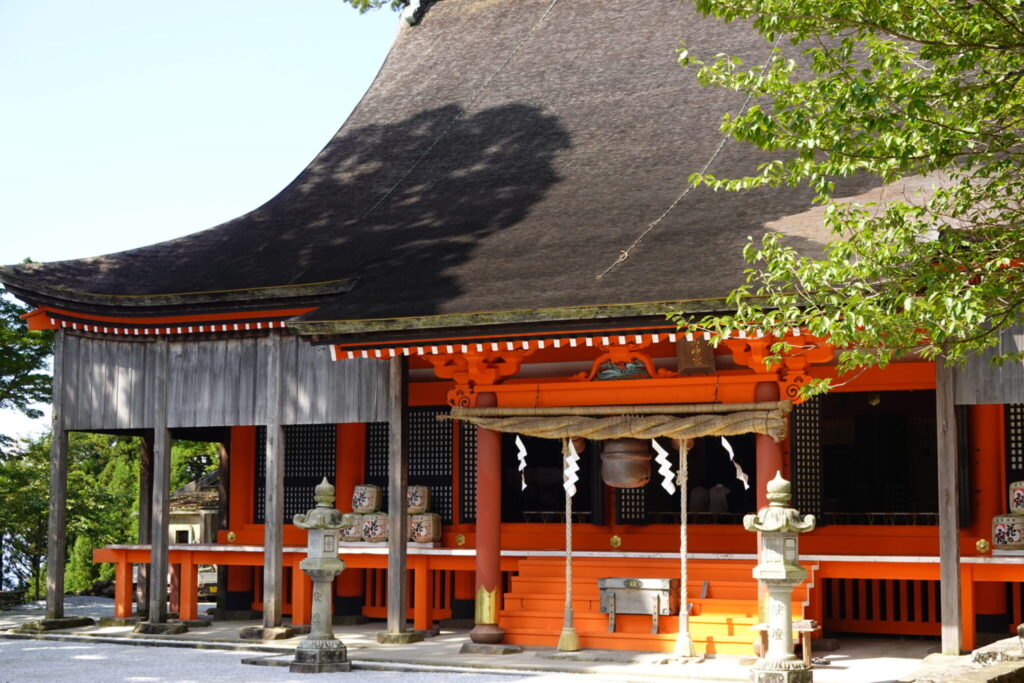
My first mountain hike in Buzen City—Mt. Gubodai—at my family’s request
It was late 2019. As the world fell silent amid the COVID-19 pandemic, my child suddenly said, “I want to climb Mount Kubote.”
With no mountaineering experience and no knowledge of the area, it was the volunteer historical site guides in Buzen City who supported us.
Our first ascent of the mountain was a series of surprises.
A massive torii gate, stone Buddhas standing in rock caverns, and the “Devil’s Stone Steps”—some 850 steps built from stacked natural stones. It was exactly like the otherworld I had seen in my childhood.
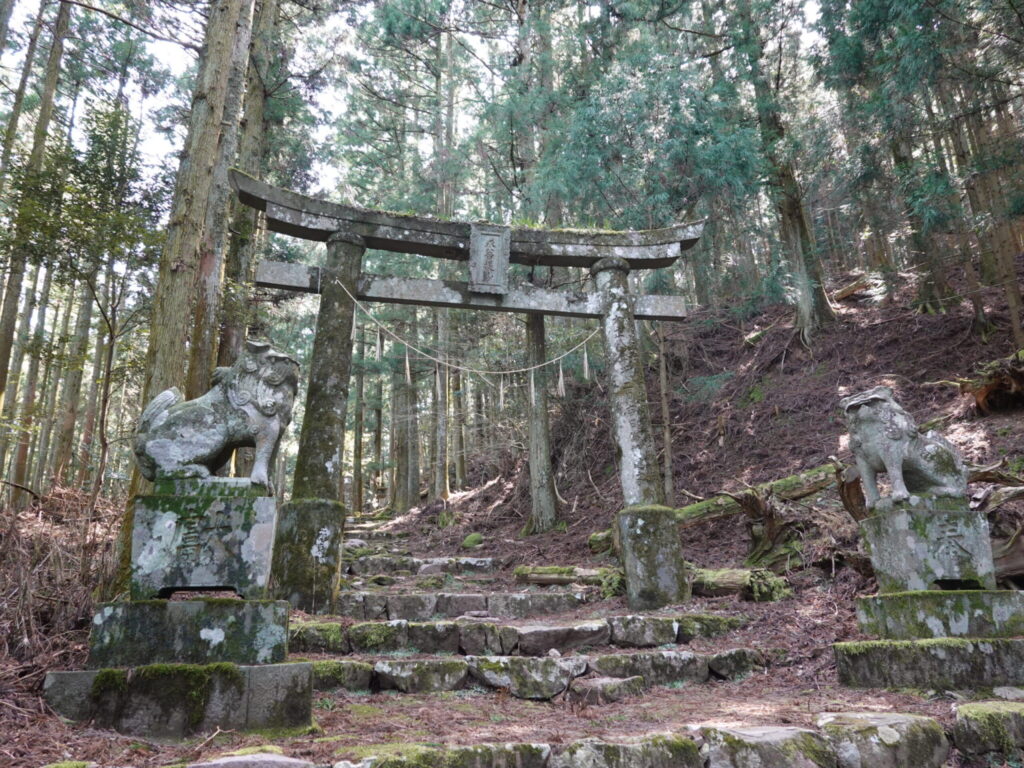
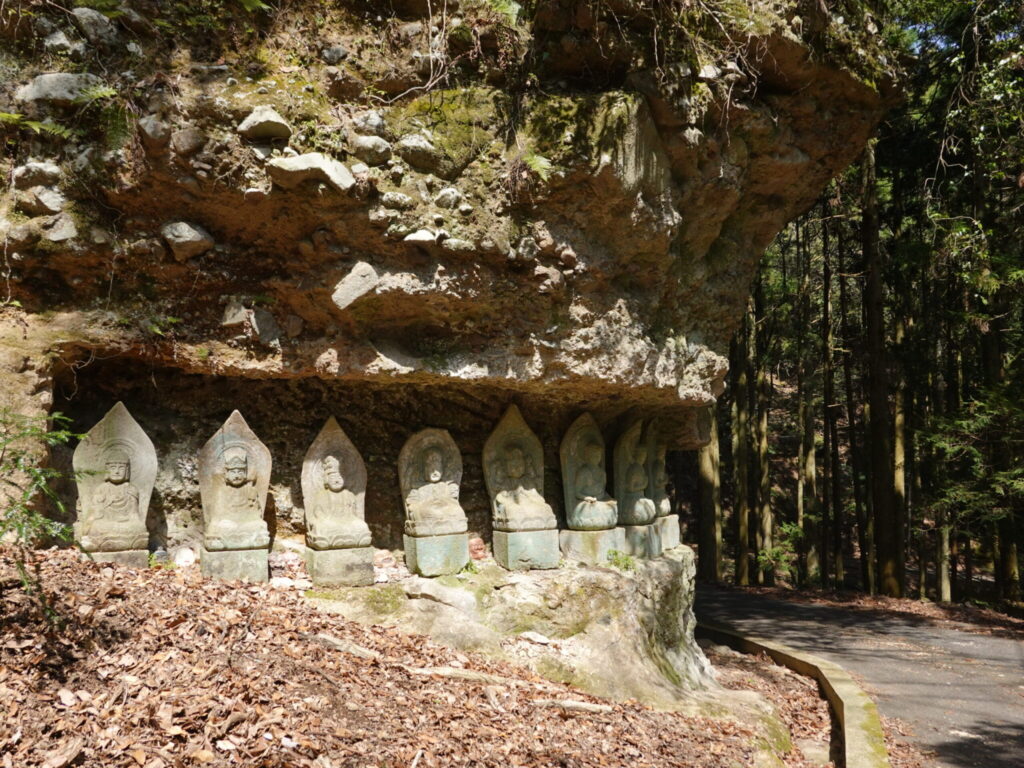
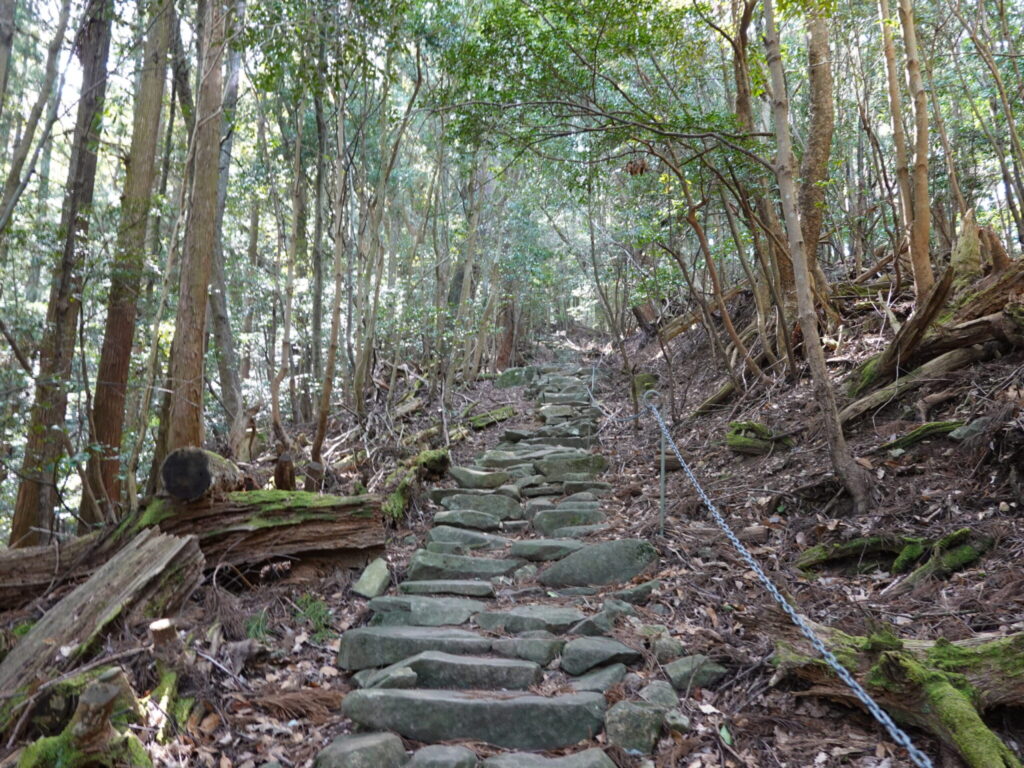
This experience inspired me to start climbing lower mountains in Kitakyushu, such as Mt. Gongen and Mt. Sarakura.
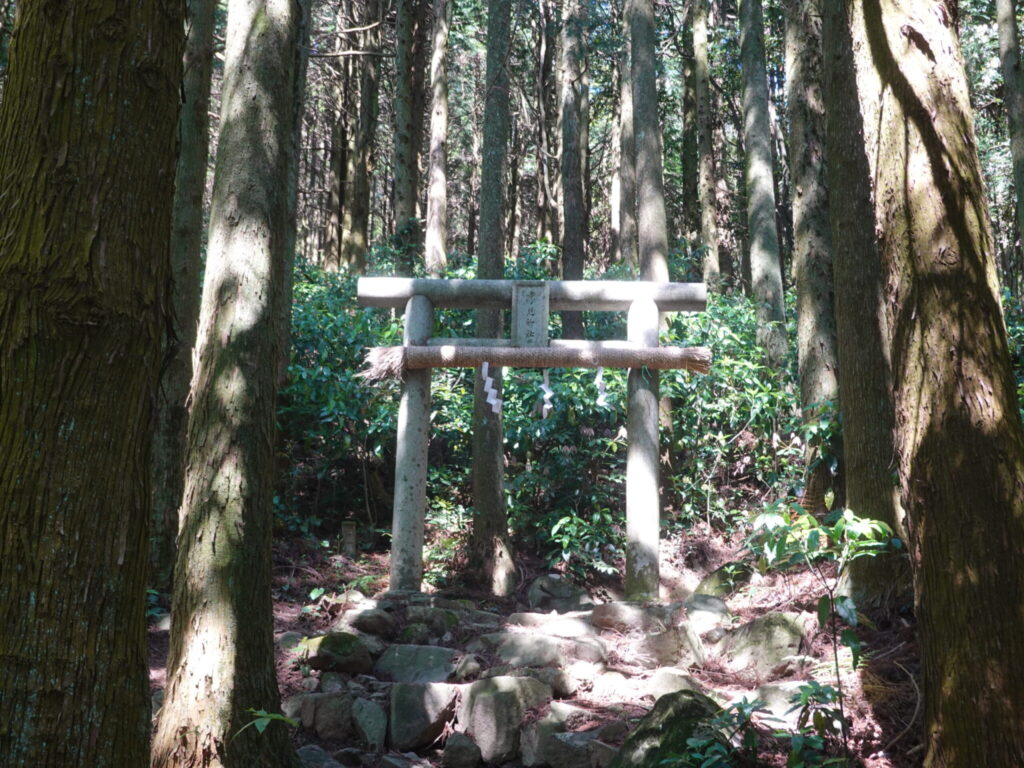
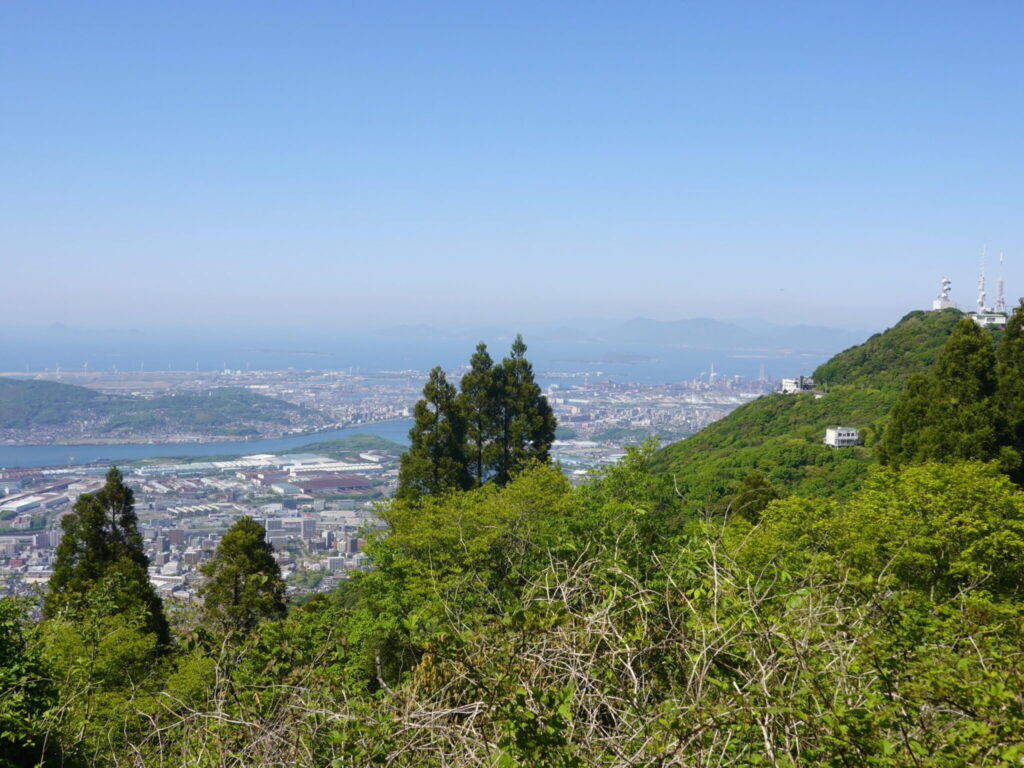
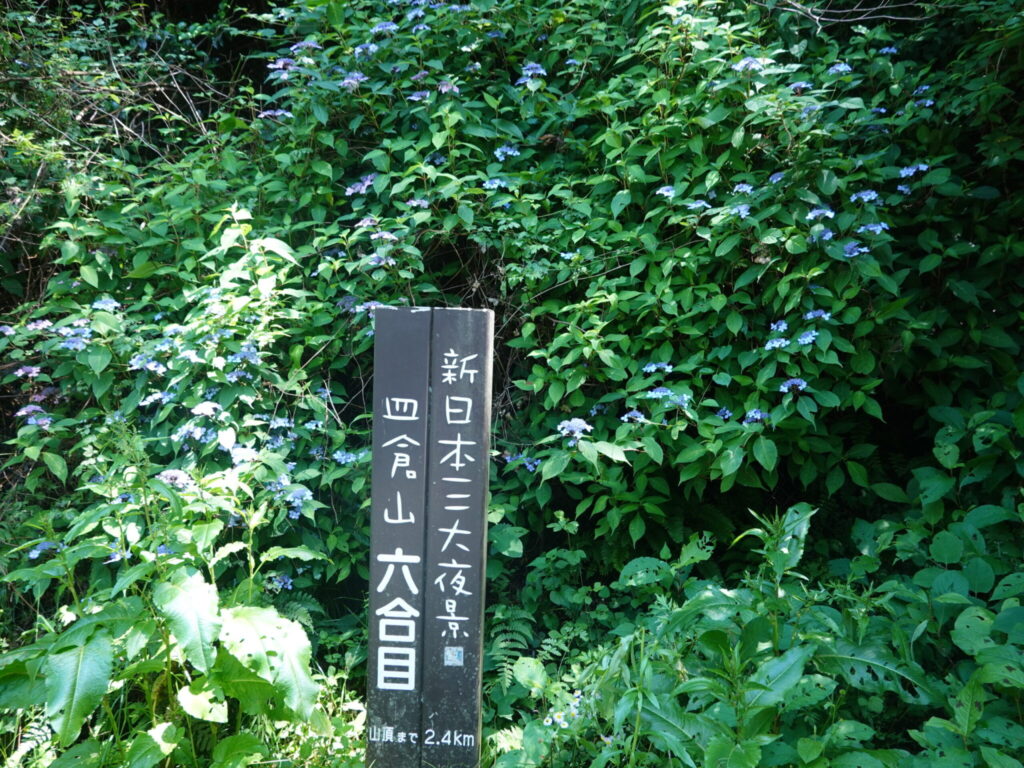
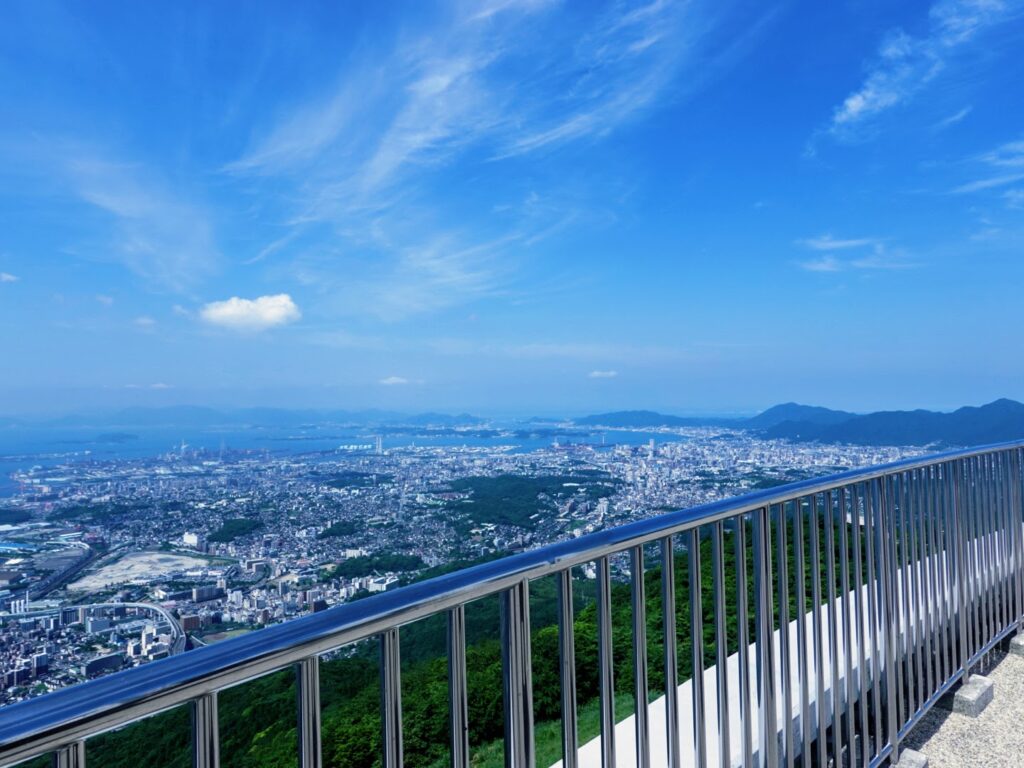
“I realized that nature and history had always been right there, all along—I just hadn’t known it.”
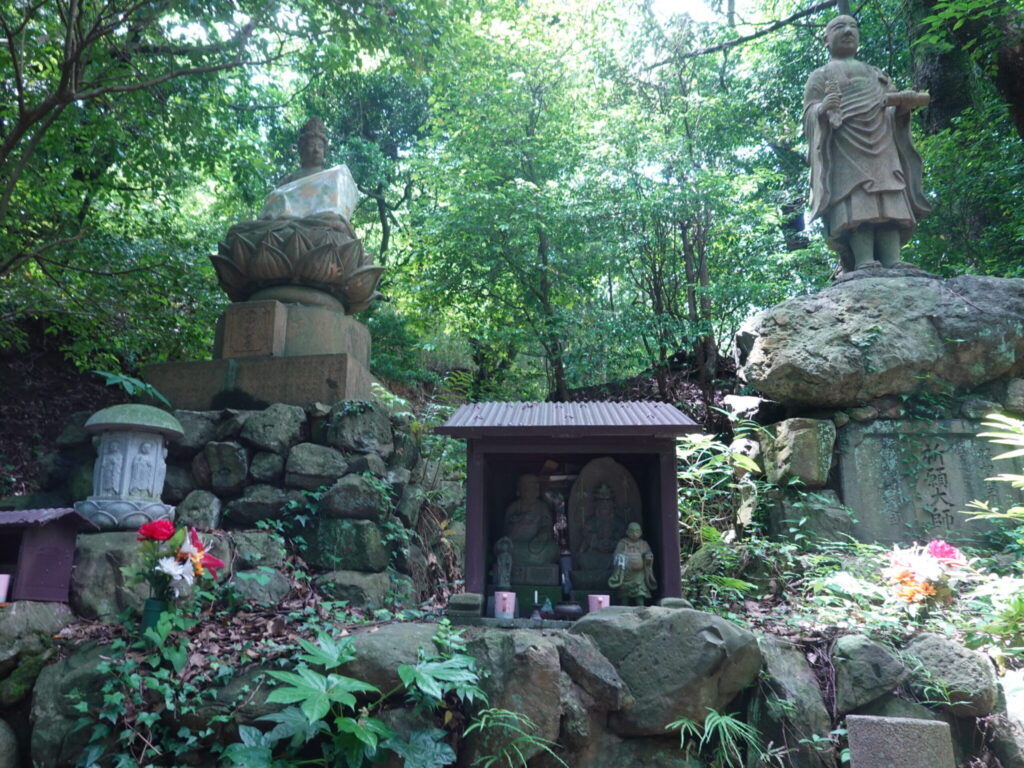
Even though I wasn’t very knowledgeable about history, I didn’t give it much thought at the time.
I knew that the deity enshrined at Ichise Takami Shrine—the starting point of the route leading to the Sarakura Mountain Prayer Tower and the Gongen Mountain Inner Shrine, known as “Chikuzen’s Premier Sacred Site” associated with Kukai—had been transferred from Kumano in the Land of Trees.
Yet a distinct sense of unease lingered.
The “dots” of unease I had been unconsciously collecting
Based in Kitakyushu, we ventured to the Kunisaki Peninsula and Usuki, and even as far as Saga and Nagasaki.
Since our children loved being in nature away from the crowds, our travels took us even further afield.
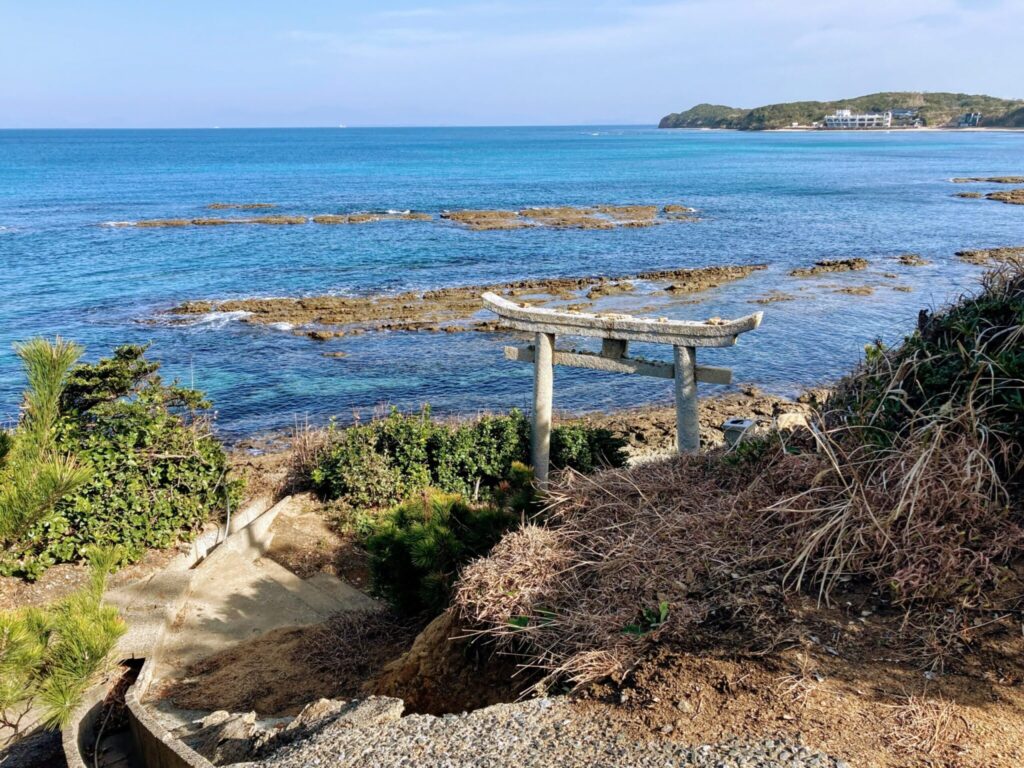
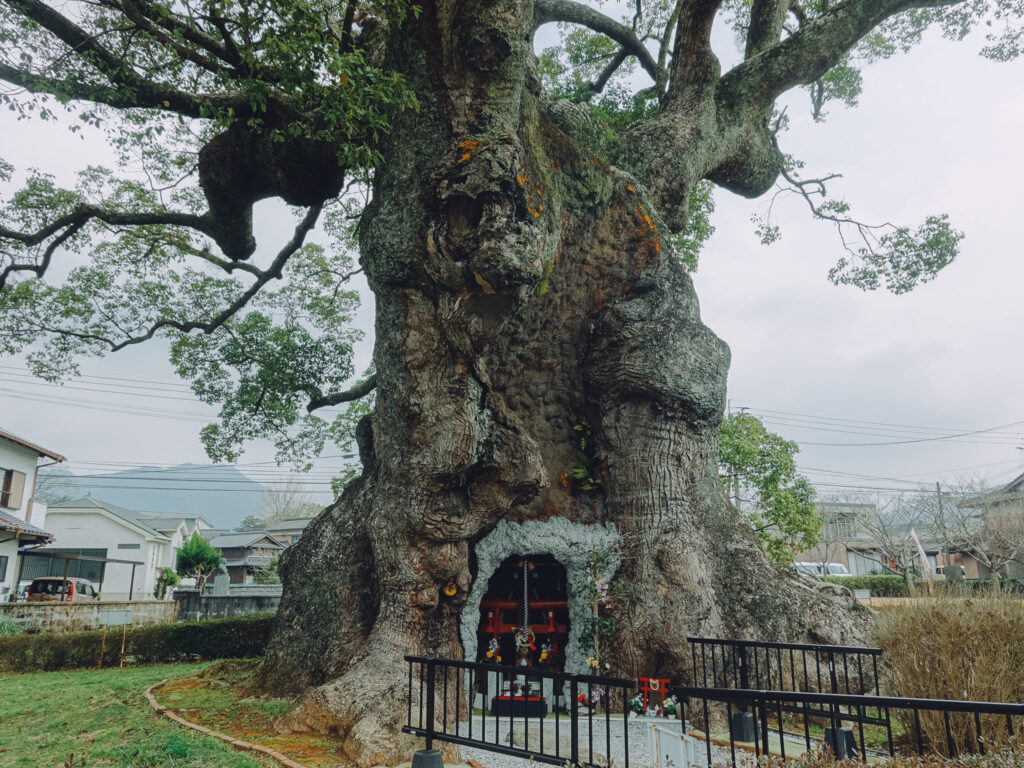
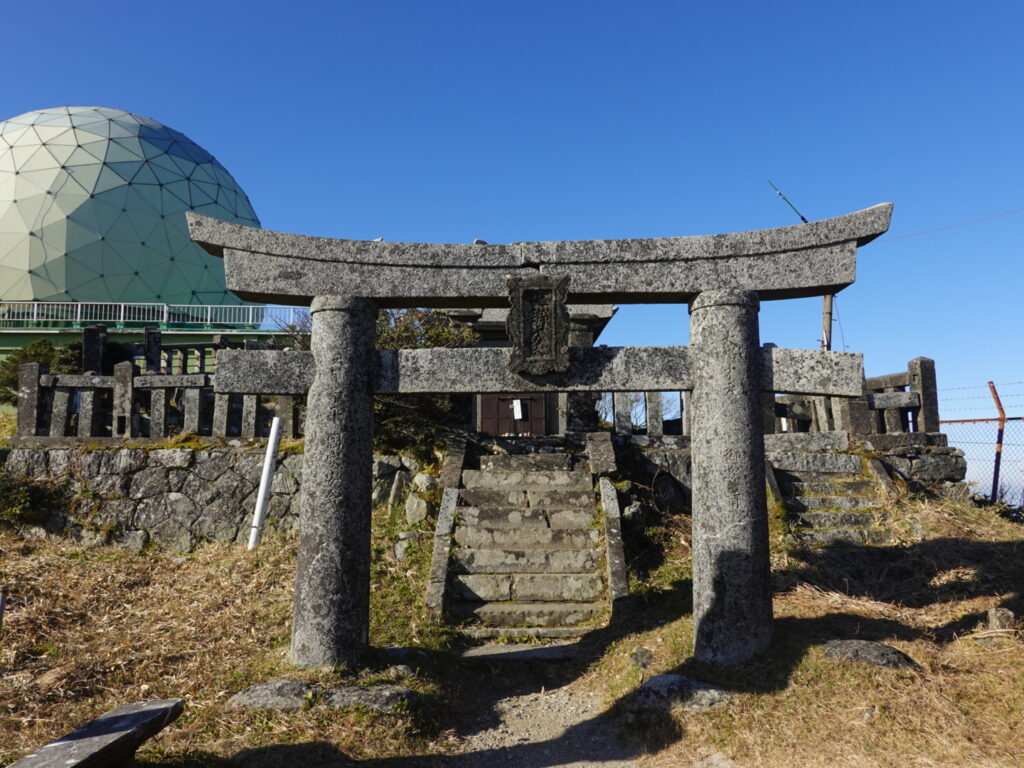
As I took in the scenery there, I found myself unconsciously picking up on the “discrepancies” in it.
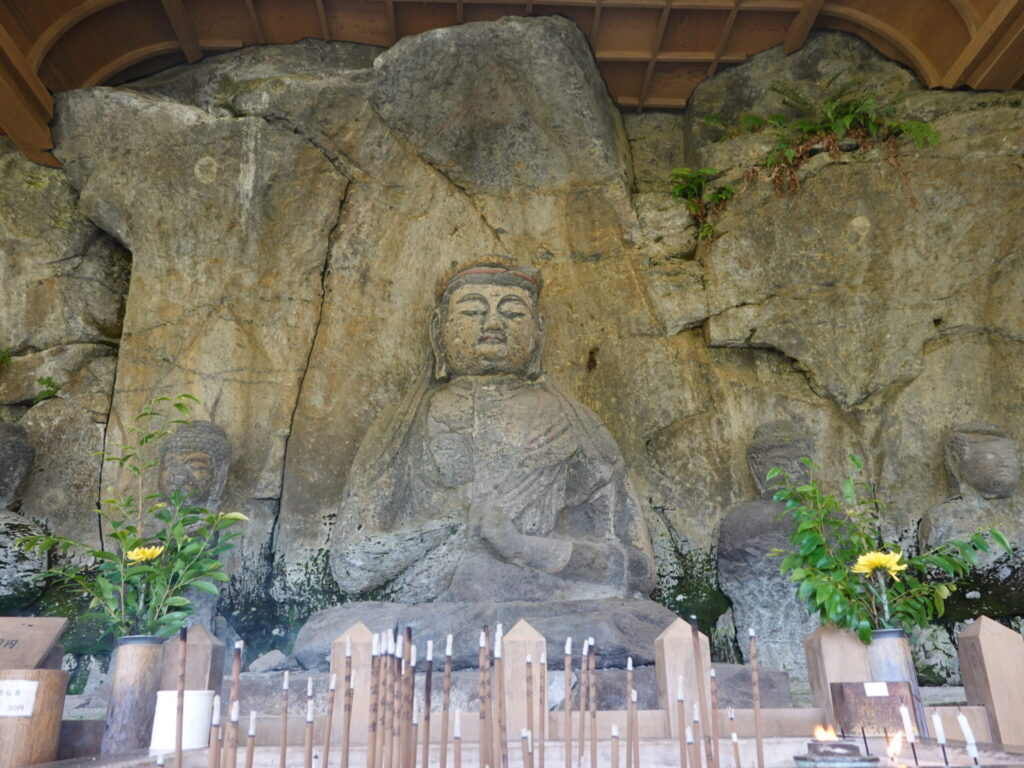
Take, for example, the Usuki Rock-Carved Buddha, a National Treasure.
The fact that the identity of the sculptor and the reason behind the creation of such a magnificent stone Buddha remain shrouded in mystery to this day. At the time, I had no way of knowing that this mystery would come together like a single thread at the end of my journey.
Moved to Buzen City in the spring of 2021
At the time, we were looking for a place to live in Fukuoka Prefecture, and Buzen City met all of our criteria.
After our child climbed Mt. Gubodai and said, “I like Buzen City,” we decided to move there.
Buzen City and the surrounding municipalities are rich in history and culture, so we visited many places to photograph the traditional Buzen Kagura dances and historical sites unique to the area.
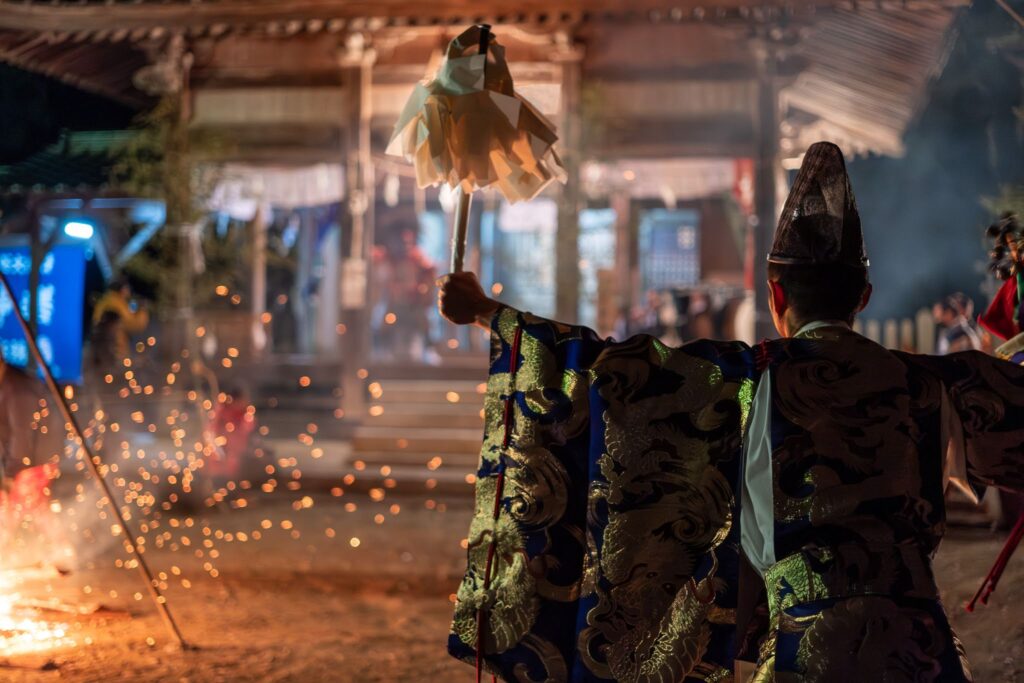
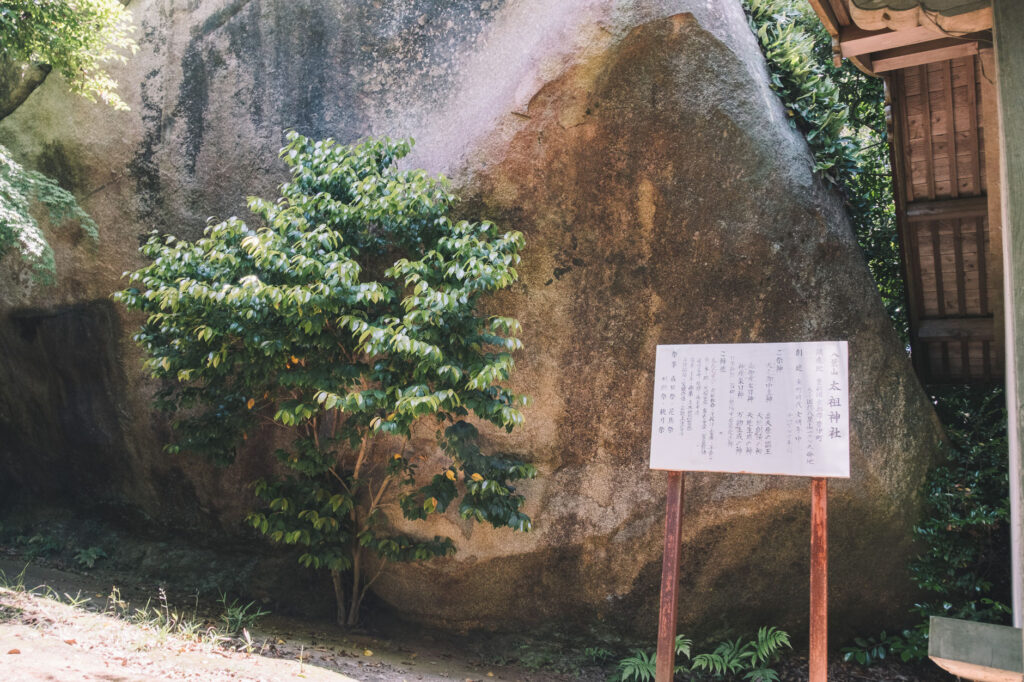
And as I toured the historic sites, I found myself unintentionally picking up on small inconsistencies here and there.
These inconsistencies would later prove to be connected to the “Right-Facing Triple Tomoe Crest,” which I will discuss later.
Around 2023: First recognized the “right-facing triple tomoe crest” in an image of a shrine at the northern tip of the Kunisaki Peninsula
By the time I had become familiar with the area beyond Buzen City, the crest of a certain shrine I happened to come across became the key that connected the slight sense of dissonance I had felt both before and after that moment.
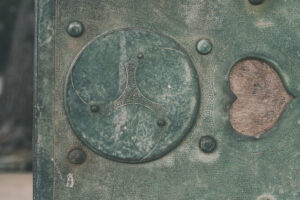
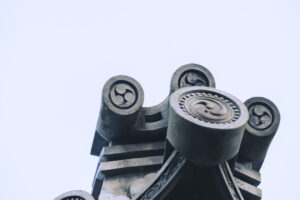
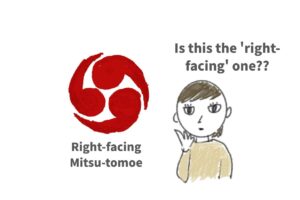
The crest of that shrine, which I found on Google Maps, was the so-called “triple tomoe” design, but upon closer inspection, I noticed that its orientation differed from the tomoe crests used at Usa Jingu and many Hachiman shrines.
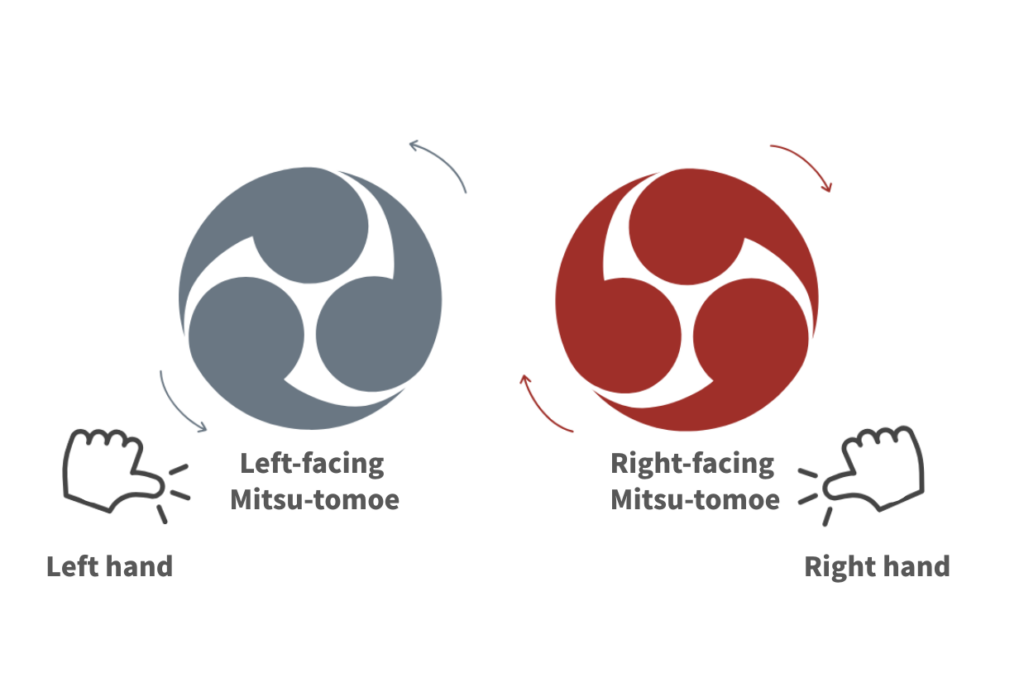
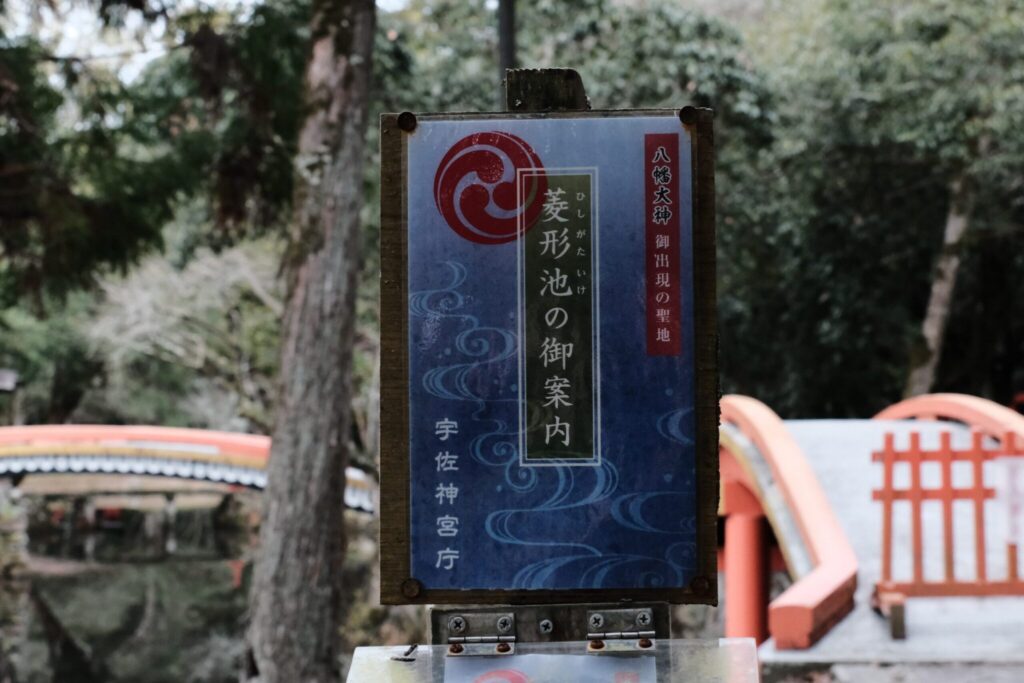
While Usa Jingu and many other Hachiman shrines use the “left-facing triple tomoe crest,” the crest I found on Google Maps was the “right-facing triple tomoe crest.”
The torii gate at Imizaki Shrine, where I found the right-facing triple tomoe crest, was inscribed with “Imizaki Shrine: Princess Kikuri-hime.”
The enshrined deities at Usa Jingu are the three deities: “Hachiman-no-Okami (Emperor Ōjin), Himegami-no-Okami (Princess Takitsuhime, Princess Ichikishimahime, and Princess Takirihime), and Empress Jingū (Princess Okinagatahime).”
Princess Kikuri is the enshrined deity of Hakusan Shrines, which are widely worshipped primarily in the Hokuriku region.
Why, on the Kunisaki Peninsula—which has deep ties to Usa Jingu—would there be a Tomoe crest oriented in the opposite direction from that of Usa Jingu, and why would it indicate the enshrinement of deities different from those of Usa Jingu?
I am not a history expert, but based on my experience as a former programmer, this difference in orientation and enshrined deities struck me as a significant anomaly.
This right-facing triple tomoe crest became the “first clue” that helped me understand the source of the unease I had been feeling up until then.
Using this clue as a starting point, I set out to unravel a series of mysteries involving a faction with beliefs distinct from those of Usa Jingu, as well as the water goddess Seoritsu-hime and many others connected to them.