子どもの頃以来、宮島へ
宮島に行ったのは、子供の頃以来だった。
島がどうだったかなんて、ほとんど記憶になく、新鮮な気持ちで訪れた。
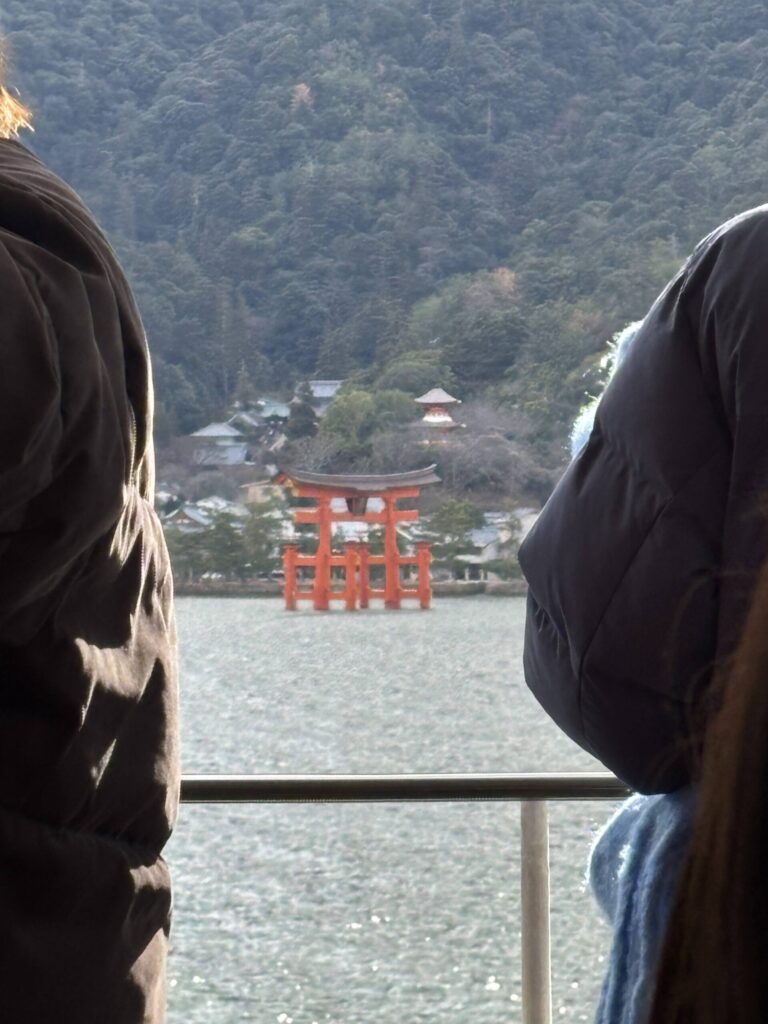
海の上から見る特徴的な水上鳥居の景色はやはりすごいものだと思った。
宮島を訪れる前に、厳島神社のことを調べていたら、見慣れない御祭神を見つけた。
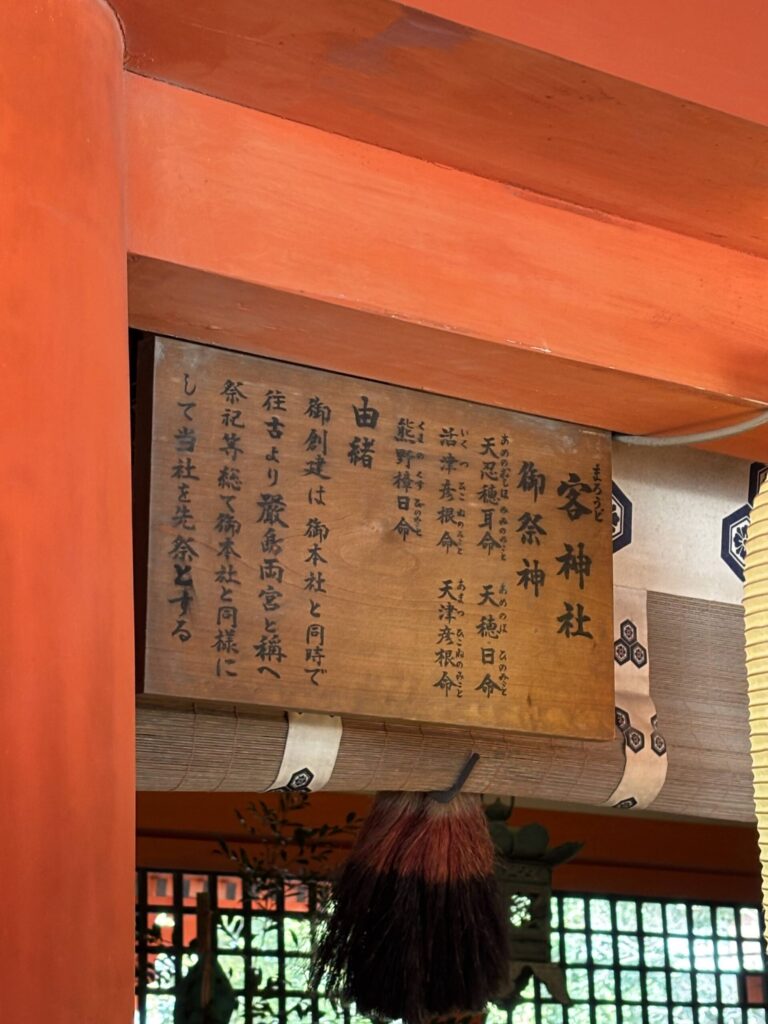
厳島神社の中の客神社(まろうどじんじゃ)に祀られていた「熊野樟日命(くまのくすびのみこと)」。
調べてみると、熊野櫲樟日命(クマノクスビノミコト)は、日本神話の「誓約(うけい)」において、須佐之男命が天照大御神の勾玉から化生させた五柱の男神の最後の一柱。
『日本書紀』では熊野櫲樟日命、『古事記』では熊野久須毘命と表記され、熊野の神、または奇しい(神秘的な)霊力を持つ神として信仰されていることが分かった。
「客」とされながら、創建は厳島神社本社と同時で、祭祀(まつり)も同様に行われ、かつ客神社が先にまつりが行われているようだ。
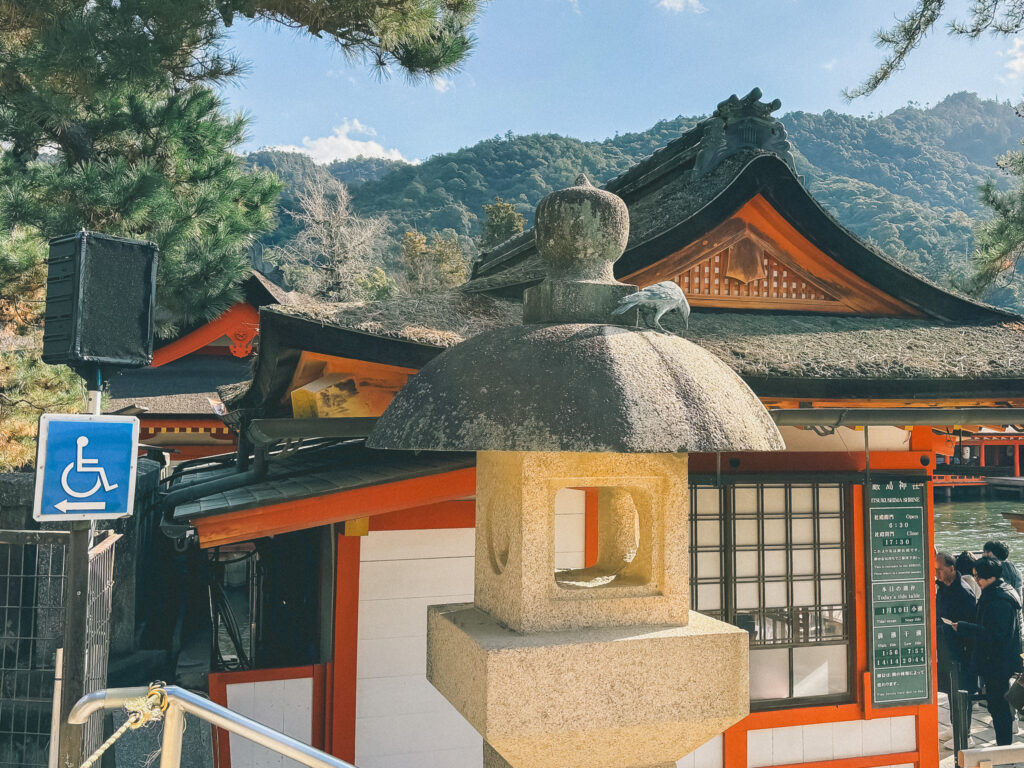
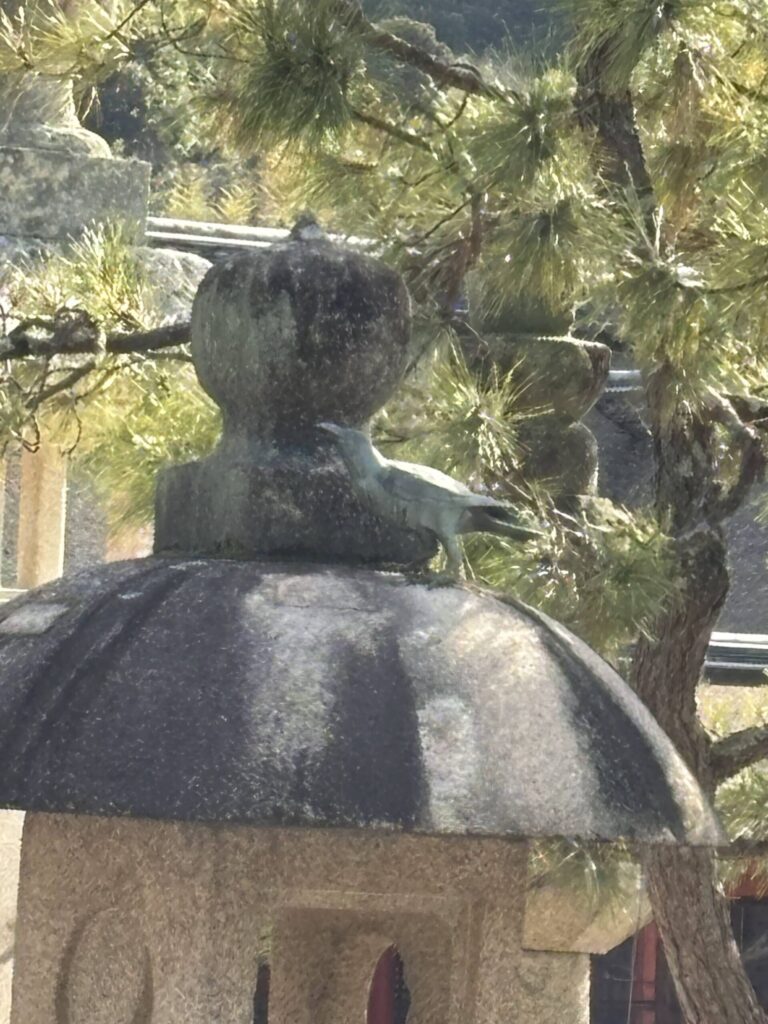
熊野といえばカラス。
カラスも宮島では神の使いとして大切にされているようだ。
宮島のカラスは「おがらすさま」と呼ばれ、厳島神社の創建に関わった女神を導いたとされる神の使い(神使)。
鹿と同様に大切にされており、特に船でしか行けない養父崎神社で神事「御鳥喰式」が執り行われるという。
「御鳥喰神事(おとぐいしき)」は、熊野から飛来したとされる神鴉(ごがらす)が神饌(塩味の餌)を食べる、八咫烏(やたがらす)の伝承に由来する神事。
カラスは神の使いとして「導きの神」の性質を持ち、宮島の地を案内したという伝承も残されているそうだ。
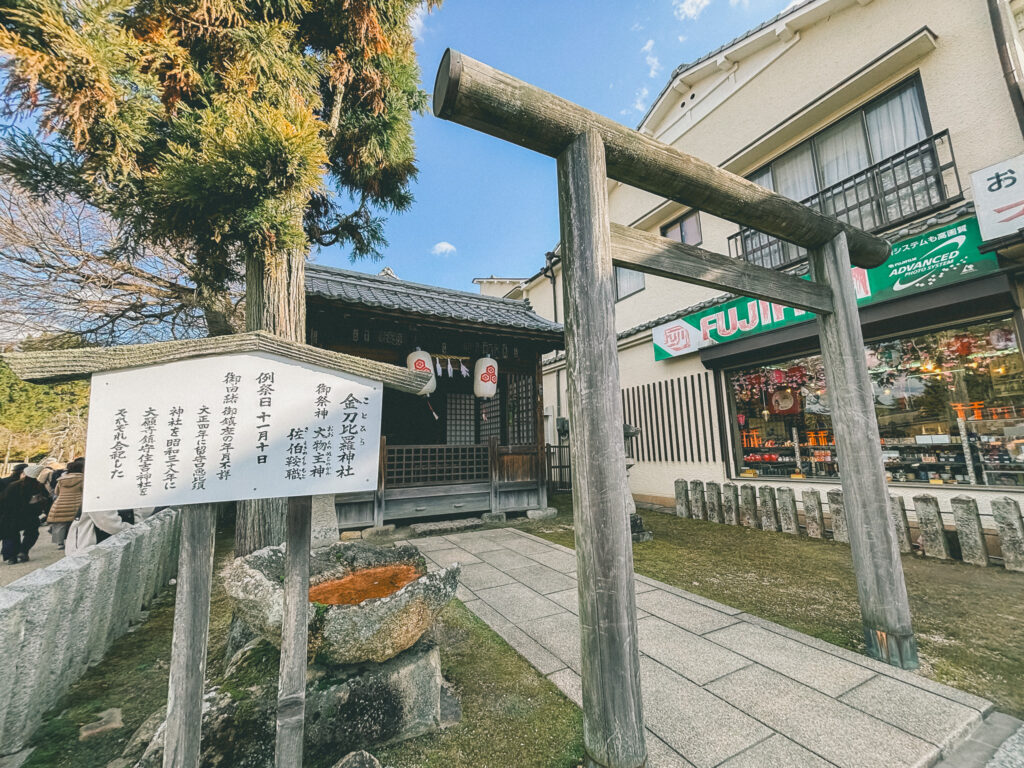
厳島神社の境内の外に「金刀比羅神社(ことひらじんじゃ)」があり、御祭神は大物主神と「佐伯鞍職(さいきくらもと)」。
佐伯鞍職は飛鳥時代の人物であり、厳島神社の初代神主。
この「佐伯」について調べてみたら、また興味深い情報が見つかった。
広島県や大分県では地名のイメージがある「佐伯」だが、元々は職能の名前だったようだ。
まだ点のままだが、線になりそうな気配がある。
この記事に近い記録

English Summary
An English summary has been added below to share these records with readers around the world.
Please note: This summary was generated using AI translation (DeepL or Gemini). While we strive for accuracy, some technical terms or subtle nuances of local history may differ from the original Japanese.
Topic: The Crow’s Guidance: Tracing the mysterious links between Itsukushima’s “Guest Deity,” Kumano, and the Saiki clan.
Summary: During a recent visit to Miyajima (Itsukushima), the author became intrigued by Kumano Kusubi no Mikoto, a deity enshrined in the Marudo Shrine. Although designated as a “guest” deity, this god is treated with equal or even prior importance to the main shrine’s deities during rituals. This deity, born from the jewels of Amaterasu during the mythological “Ukei” pledge, is deeply connected to the spiritual power of the Kumano region.
This connection to Kumano is reflected in the local reverence for divine crows (Ogarasu-sama), which mirrors the Yatagarasu legends of the Kii Peninsula. These crows are said to have guided the goddesses during the founding of Itsukushima Shrine. Furthermore, the author traces the lineage of the shrine’s first high priest, Saiki Kuramoto, discovering that the name “Saiki” originally referred to a specific occupational role rather than just a place name. These scattered dots suggest a profound, historical network linking Miyajima, Kumano, and specialized clans across ancient Japan.