昨日は珍しい場所で地震の通知が出た。
ふと気になって調べてみたら、震源地が高野山から見て「鬼門」から「東」のライン上だった。
ただの偶然かもしれないけれど。
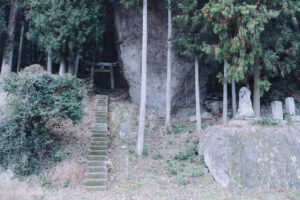
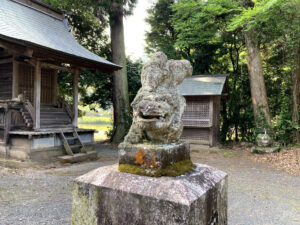
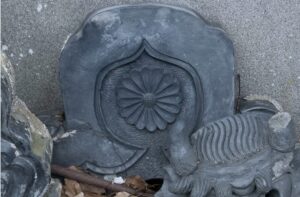
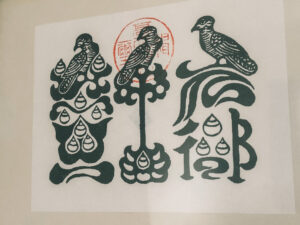
高野山の開山時、弘法大師空海がその鬼門を封じるために勧請したのが、野迫川村の「立里荒神社(たてりこうじんしゃ)」だという。
今回の震源は、まさにその聖域の近く。
空海がこの地を選んだのは、単に風水上の理由だけだったのだろうか?
日本最大の断層帯「中央構造線」がすぐ北を走り、地下深くでプレートがひしめき合う地盤。
1200年前の彼は、大地の震えやエネルギーの噴出を直感的に「龍神」や「荒神」の気配として感じ取っていたのかもしれない。
聖地が守ろうとしたものは何だったのか。
立里荒神社の場所
〒648-0301 奈良県吉野郡野迫川村池津川347
English Summary
Please note: This summary was generated using AI translation (DeepL or Gemini). While we strive for accuracy, some technical terms or subtle nuances of local history may differ from the original Japanese.
Yesterday, an earthquake notification appeared for an unusual location. Out of curiosity, I looked into it and found that the epicenter was aligned with the “Kimon” (Demon Gate) and the “East” from the perspective of Mt. Koya. It might just be a coincidence.
However, it is said that when Kobo Daishi Kukai founded Mt. Koya 1,200 years ago, he enshrined the Tateri Kojin-sha in Nosegawa Village specifically to seal that Demon Gate. The epicenter was right near that sacred sanctuary.
Was Kukai’s choice of this location based purely on Feng Shui? The Median Tectonic Line—Japan’s largest fault zone—runs just to the north, where tectonic plates jostle deep underground. Perhaps he intuitively sensed the tremors of the earth and the eruption of energy as the presence of “Dragon Gods” or “Kojin” (Wild Deities). I wonder, what was it that these sacred sites were truly trying to protect?