ここ数年右三つ巴紋や、現地で見て感じた違和感を追ってきました。
フィールドワークして集めていった、記録から浮かび上がる、ある推論を裏付けてくれるものを、豊前国分寺近くの豊津神社で見つけることができました。
目次
豊前国分寺近くの豊津神社で見つけた痕跡

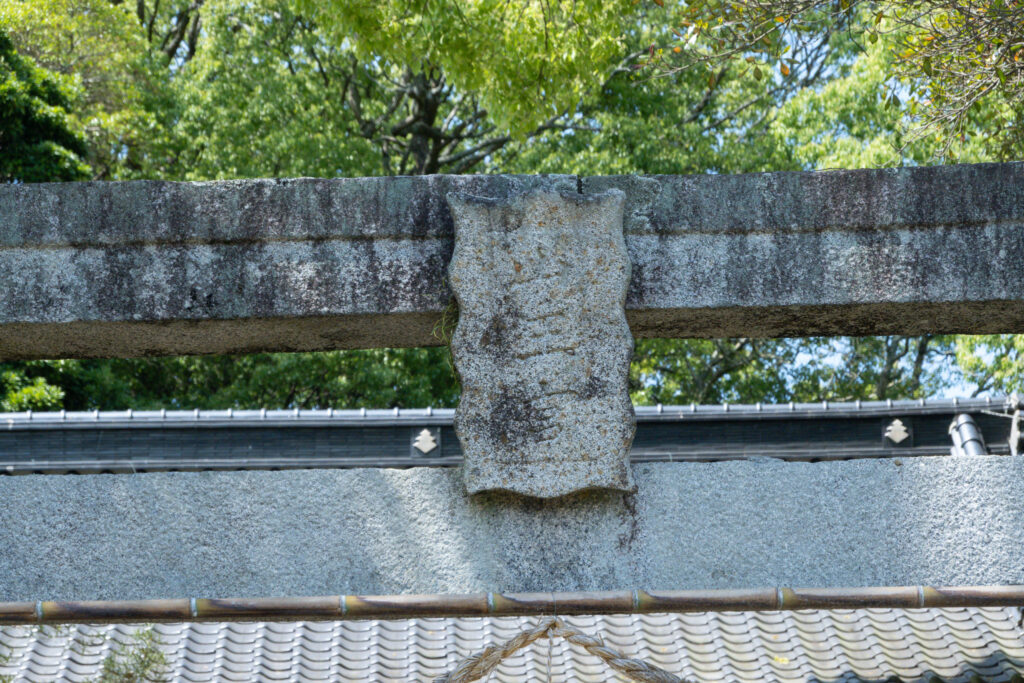
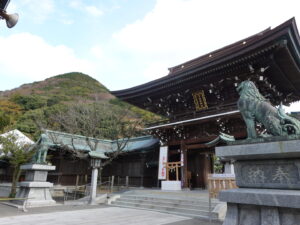
「豊津神社」なのに「山王宮」の扁額。
ここは、以前は「山王宮」だった?
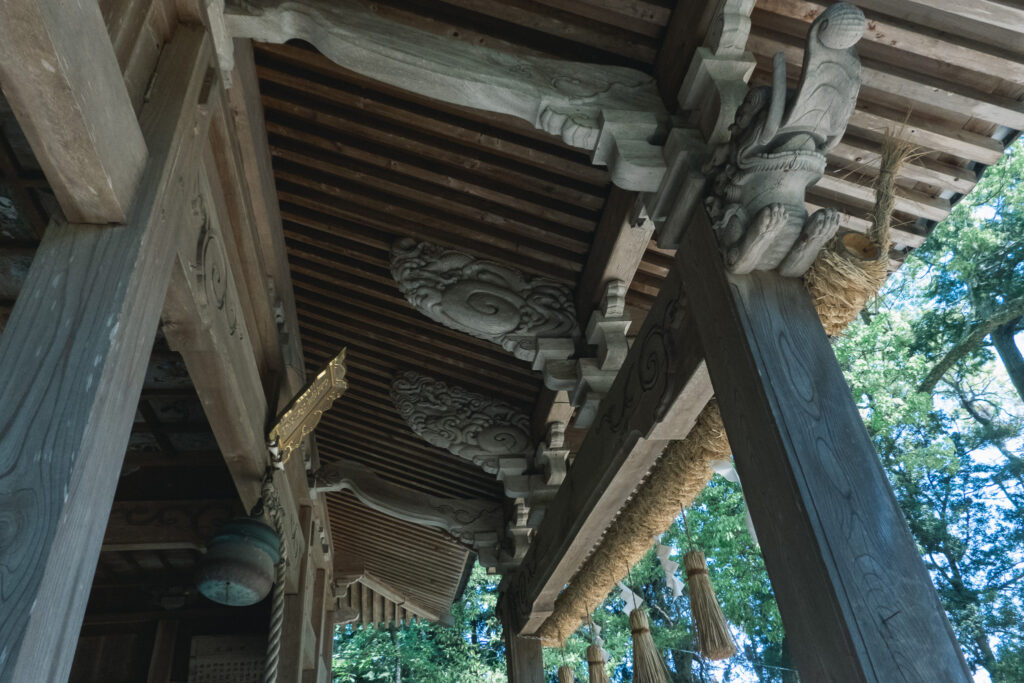
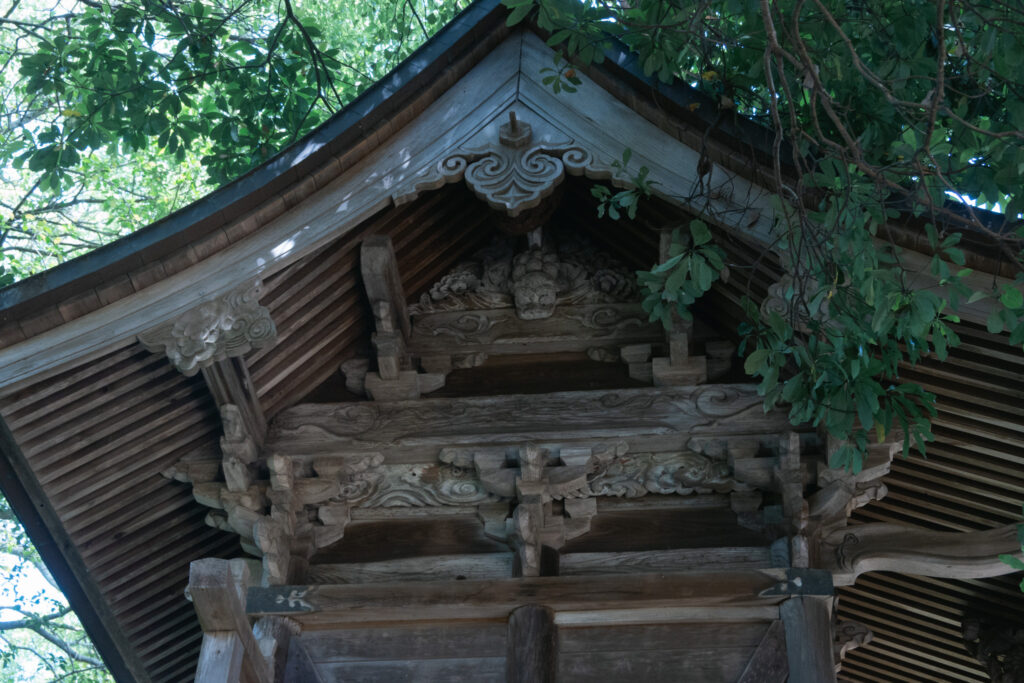
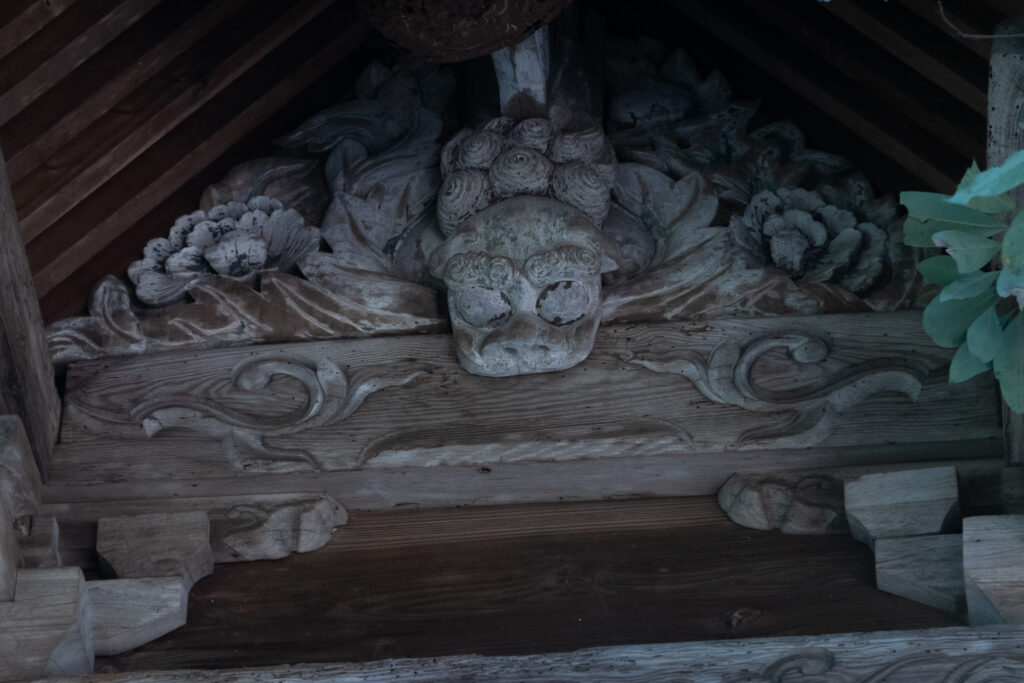
拝殿の屋根に、ひっそりと、一対の龍の彫刻。
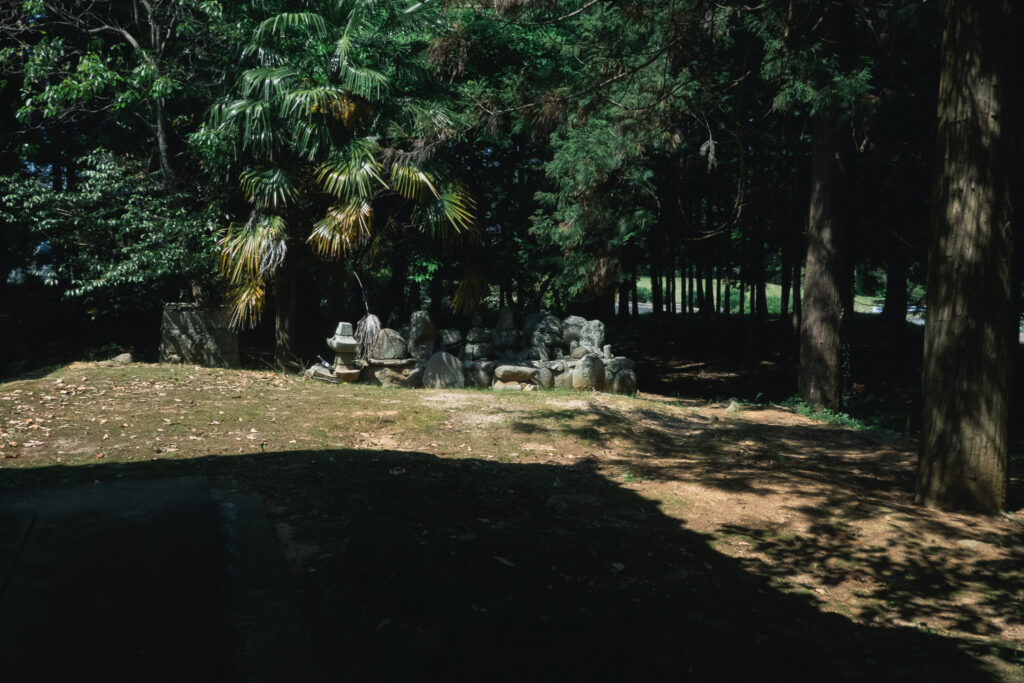
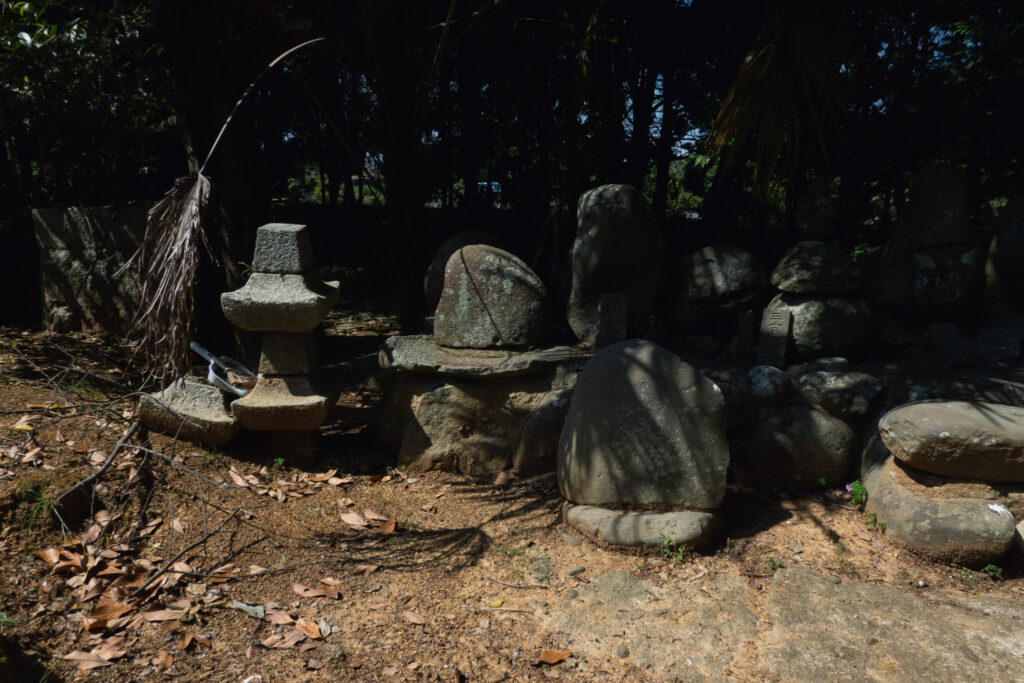
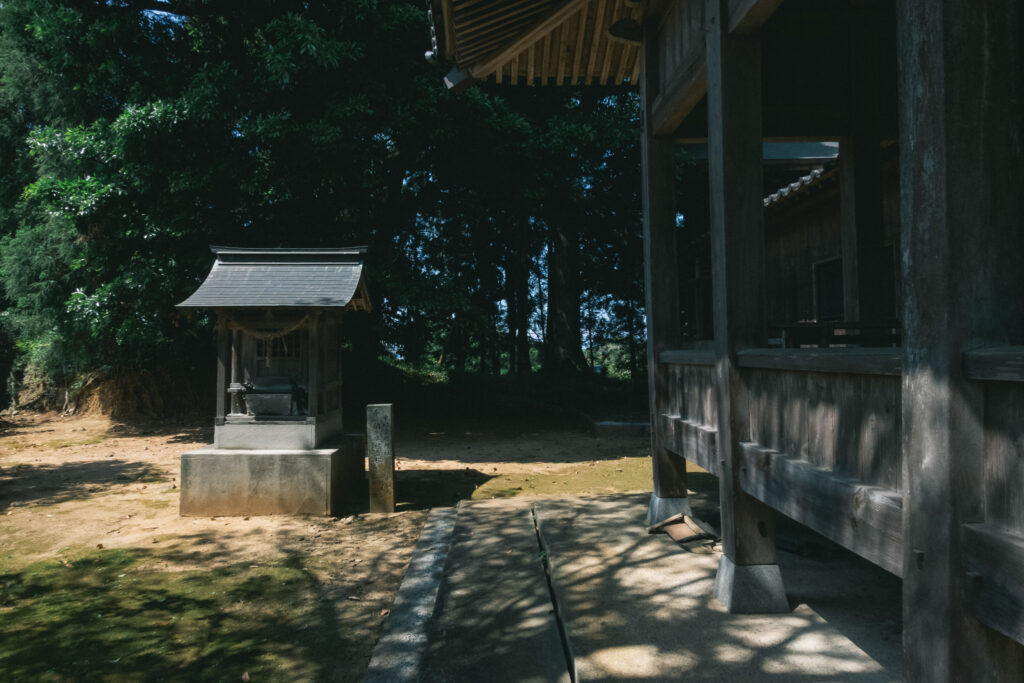
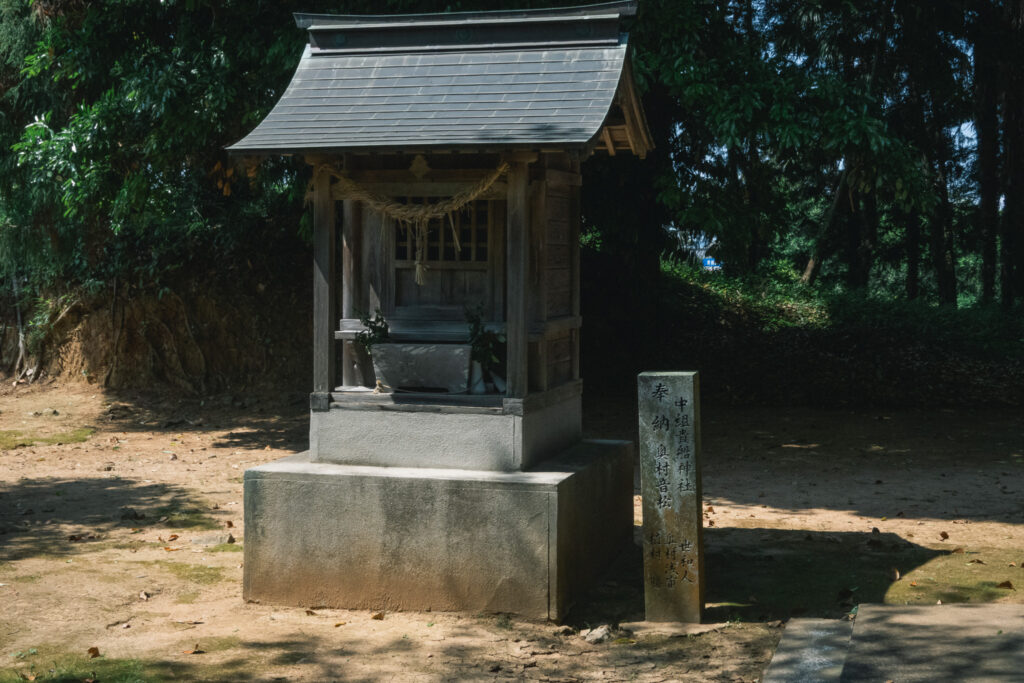
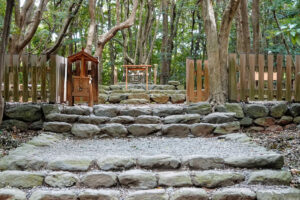
神社の片隅に石祠があると思ったら
よく見てみるとそこには
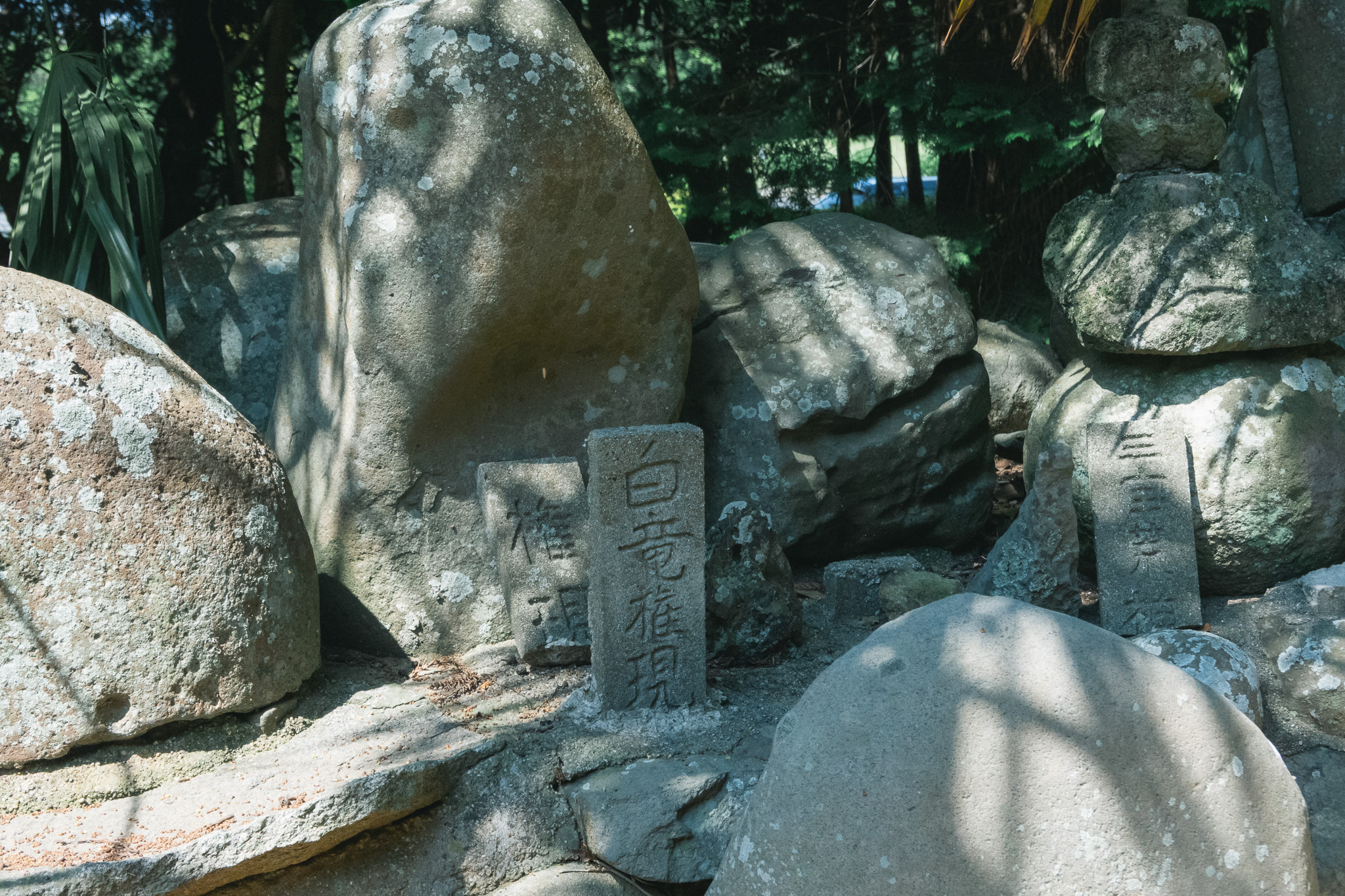
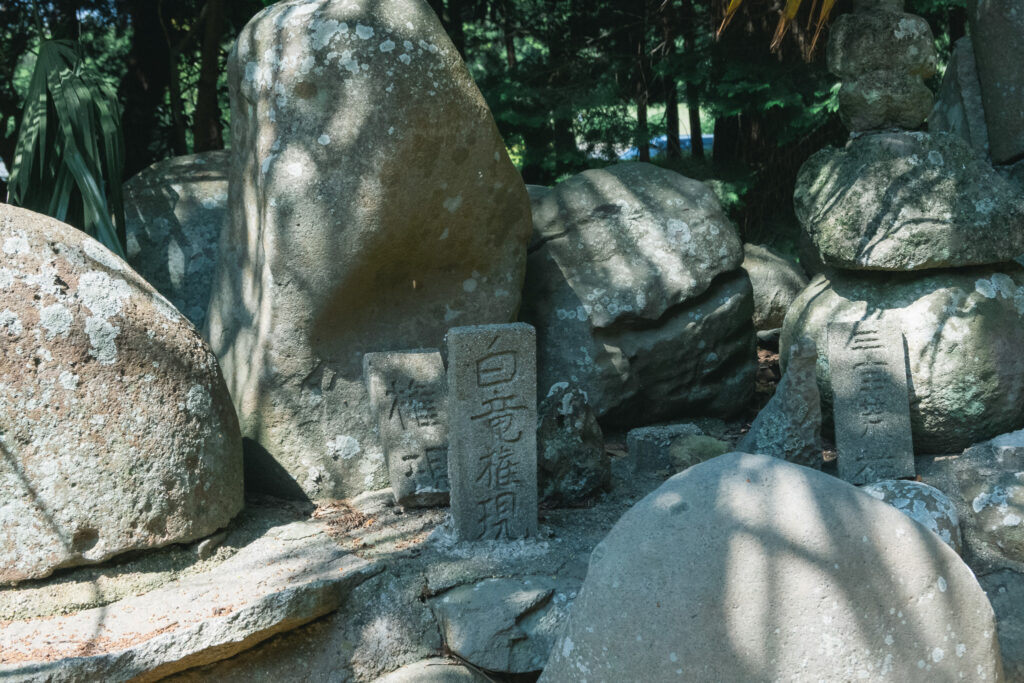
薄く色がついた石の周りに、字が刻まれた石板もありました。
「白竜権現」「三宝荒神」
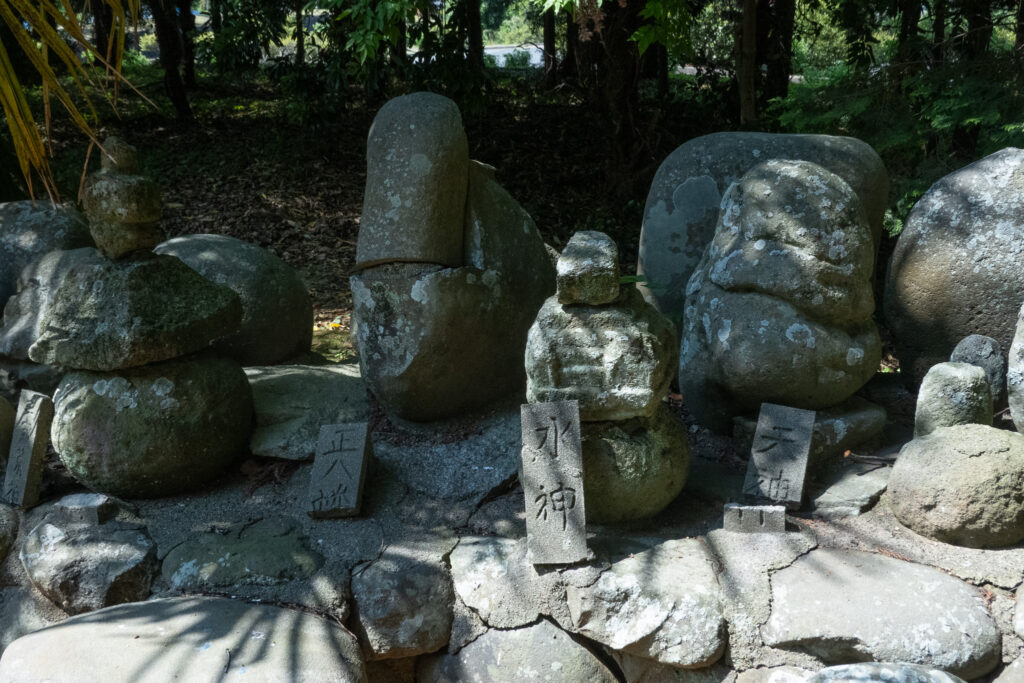
「天神」「水神」「正八幡」
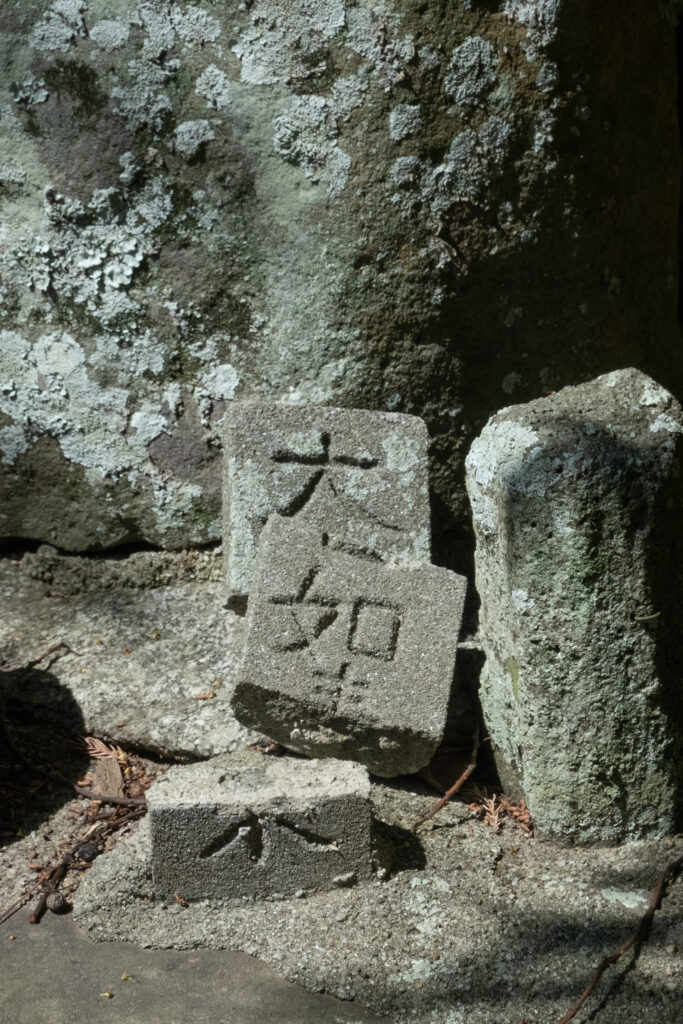
大日如来。
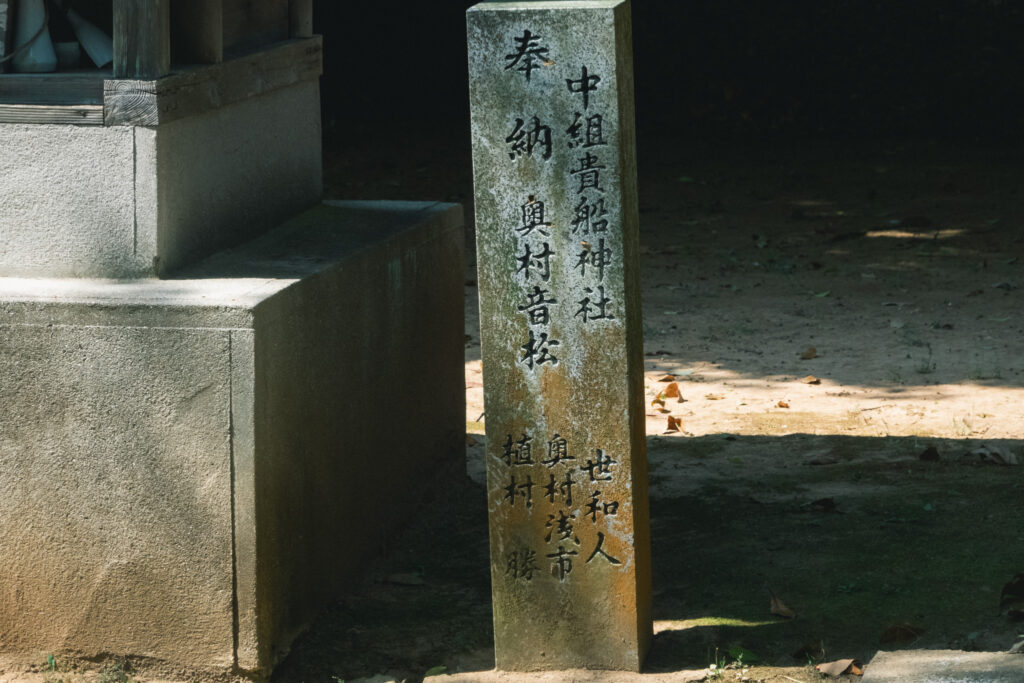
拝殿の横の小さな社は
「中組貴船神社」
本殿には
獅子と牡丹の彫刻。寺社に多いとされる彫刻です。
最強の獅子も、実は体に寄生する「虫(獅子身中の虫)」が唯一の弱点とされました。
牡丹の花から滴り落ちる夜露には、その虫を殺す力があると信じられていました。
獅子は男性、牡丹は女性、そして「水」を表している?
今までの謎と、豊津神社に残されたものを照らし合わせると
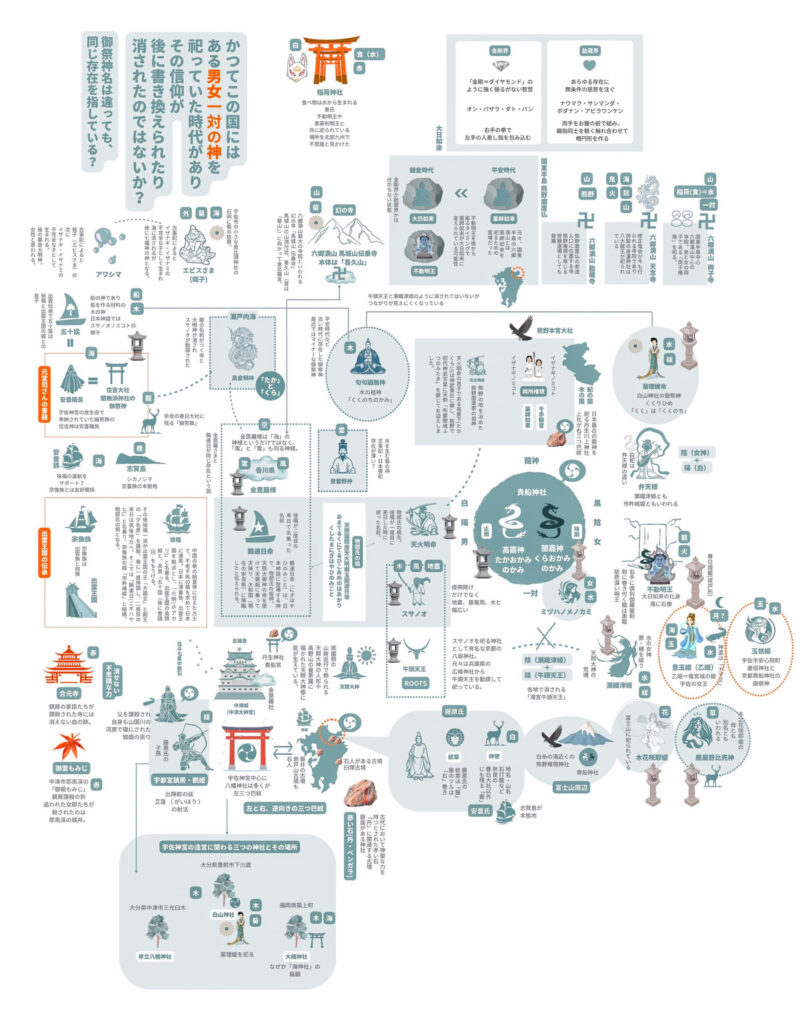
私がこれまで追って、現地を歩いて記録をとって、浮かんできた謎のイメージです。
この国にはかつて、ある一対の存在が祀られてきたのではないかという想像。
この豊津神社で見たものは、そのキーワードと一致していました。
一対の龍の彫刻は、雌雄一対の龍神を。
「三宝荒神」と「水神」は、火と水、一対を。
大日如来は、金剛界と胎蔵界の一対を。
正八幡宮では、右三つ巴紋を社紋に持つ神社を見つけてききました。
「天神」。
実はこれまで、苅田町箕島の海沿いの神社で天神社があって、妙だとは思っていたのです。
あわせて読みたい
【福岡県行橋市箕島】菅原神社 2019年10月撮影記録
撮りためたGoogleフォトを眺めて、まだ記事化していなかった写真をアップしています。 2019年10月に訪れていたのは、福岡県行橋市の菅原神社です。 菅原神社 2019年10月…
扁額の「山王宮」については、かつて海と山は同じだったのでは…と感じていました。
その王ということは、海の王を示しているのかもしれません。
おわりに。以前訪れた時には気づけなかった
この豊津神社は、左三つ巴紋と右三つ巴紋を一対で見つけた「豊前国分寺」の近くの神社です。
あわせて読みたい
福岡県みやこ町と大分県宇佐市に三つ巴紋の反転の記憶が残されていたのか。——豊前国分寺と法鏡寺・貴船神社
豊前国分寺で見た、左右の向きの三つ巴紋 福岡県みやこ町の豊前国分寺。 ここは聖武天皇の勅願によって全国に建てられた国立寺院で、創建当時は九州東北部の文化の中心…
神社と寺は明治以前は一緒だったのであれば(神仏習合)、この神社がおそらくそうではないかと思います。
豊前国分寺といい、この豊津神社といい、今回ばかりは残された意図を感じるものでした。
誰かが消そうとして、誰かが残そうとした土地の記憶ではないかと思います。
あまりにも、揃いすぎていて。
あわせて読みたい
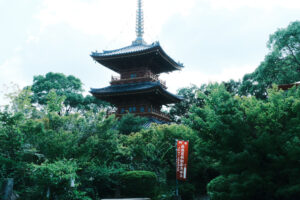
【みやこ町】九州に3つしかない築100年超えの塔「豊前国分寺 三重塔」
(訪問日:2023/8/16) 真夏にみやこ町の歴史資料館からの帰り、ちょうど横を通れたので、短時間でも立ち寄ろうと車を駐車場に停めた。 以前から「豊前国分寺 三重塔」の…
あわせて読みたい
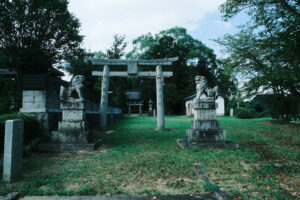
【みやこ町】豊前国分寺三重塔に行くのならこちらも。豊津神社
(訪問日:2023/8/16) 真夏にみやこ町で調べものをした歴史資料館からの帰り、ちょうど立ち寄ることができた豊前国分寺エリア。 前から見たいと思っていた三重塔を見た後…
ただ、この神社にも、豊前国分寺にも、私は以前訪れていたんです。
でも、気づけなかった。
これまでのフィールドワークで見て、知ったことで、ようやく見えるようになったといえるでしょう。
今まで訪れたところも、写真を見返してみて、あっと驚く発見が多々ありましたから。
辿ってきたところを歩き直したら、また違うものが見えてきそうです。
この記事やサイトを見てくださった方も、このサイトでお伝えした史跡を辿るときがあれば、ぜひじっくりと史跡のなかを眺めてみてください。
たとえ言葉がなくても、目で見たら伝わる形で残っているかもしれません。
古代の人たちと環境や文化は違っても、同じ人間だから、感じる感覚は意外と同じなのではないでしょうか。
豊津神社(山王宮)の場所
〒824-0123 福岡県京都郡みやこ町国分277