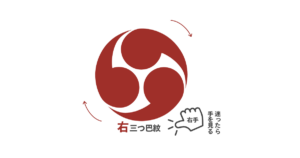
宇佐市の法鏡寺貴船神社で、隅に置かれた「右三つ巴紋」「鬼」「雲」「菊(蓮華紋)」の痕跡を、別の記事でお伝えしてきました。
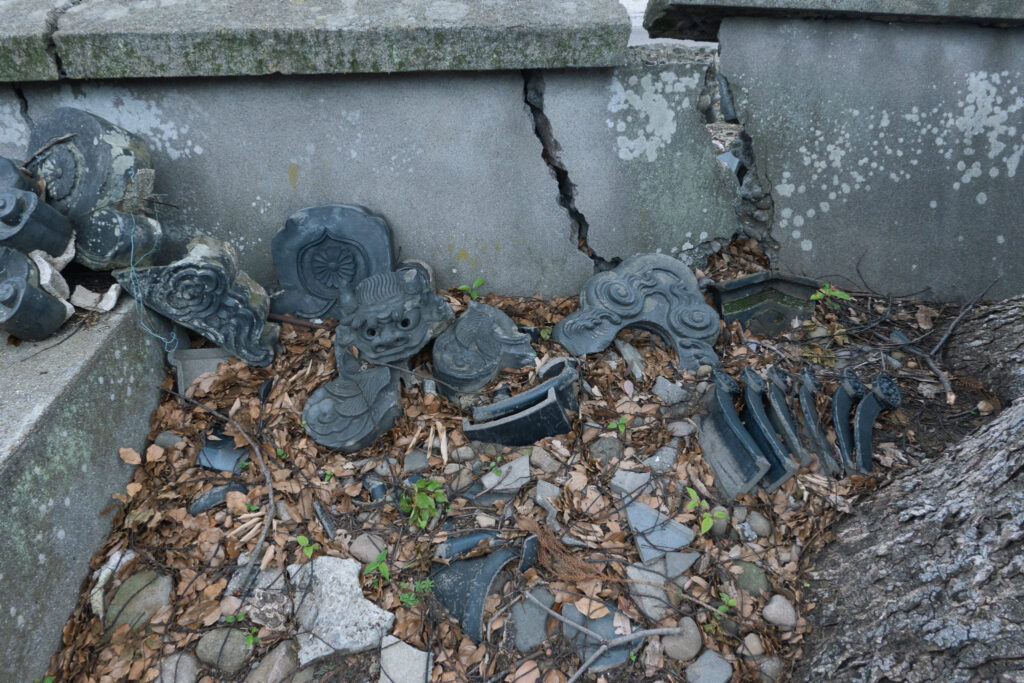
これらの他に、もう一つありました。
この記事ではもう一つの痕跡についてお伝えします。
法鏡寺貴船神社の片隅に残された「鯱(シャチホコ)」
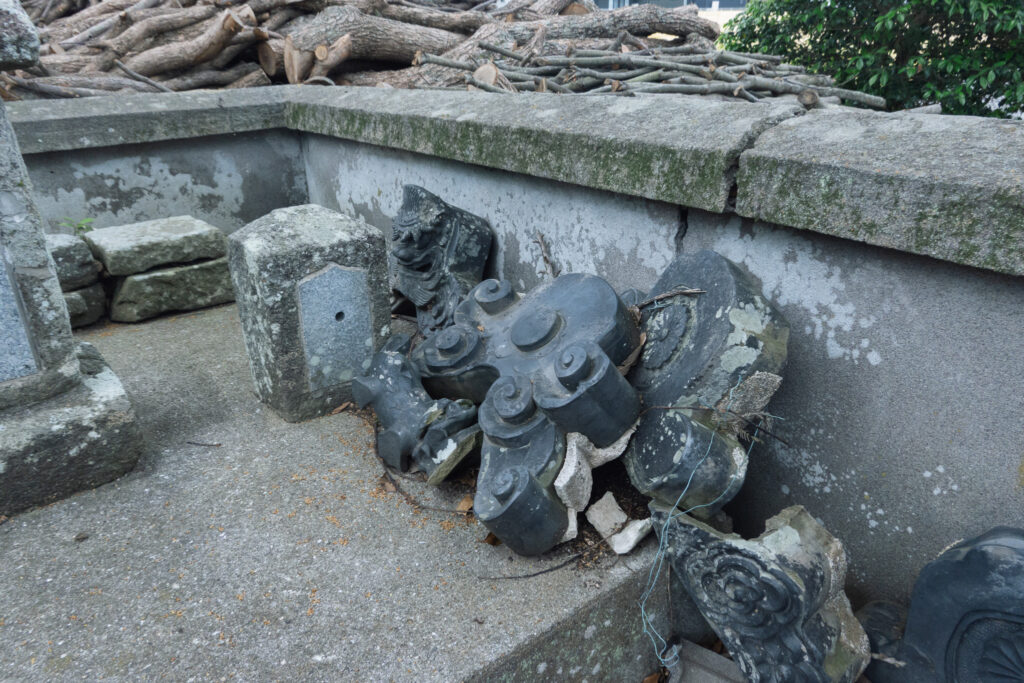
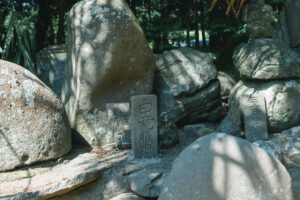
法鏡寺貴船神社の隅に置かれた、おそらく屋根の一部たち。
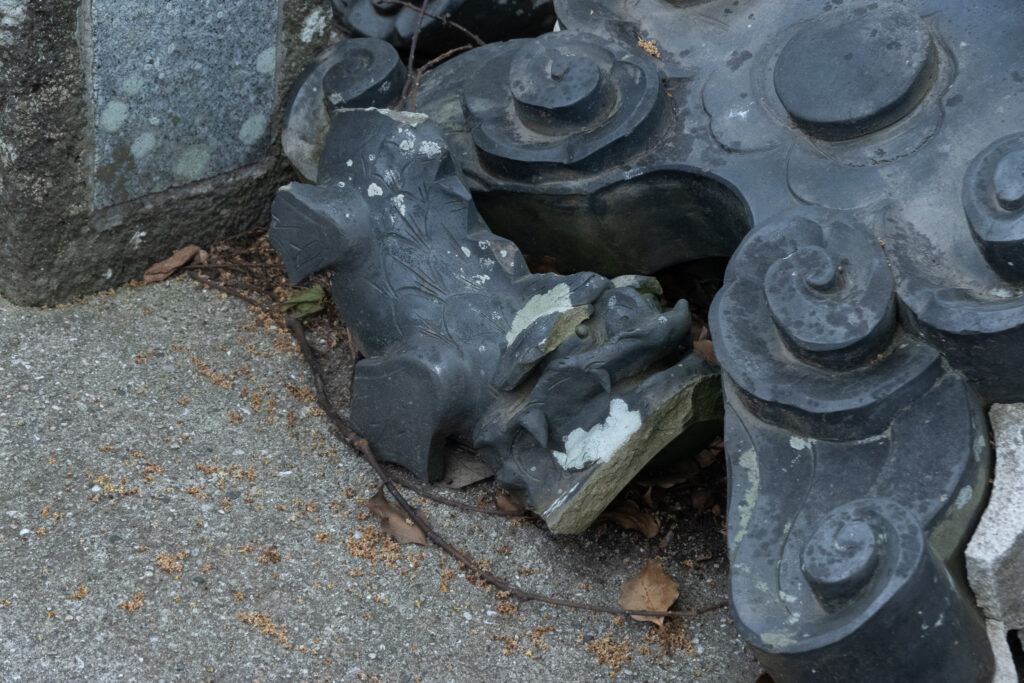
そこにシャチホコがありました。
シャチホコは、頭が龍(または虎)で体が魚の空想上の生き物です。
一般的には、天守閣の上にいますよね。
自分が住んできたエリアには、あまり神社の屋根には見なかった気がします。
鯱は口から水を吐き、火を消す力がある海魚と信じられてきました。
ルーツは古く、奈良時代のようです。
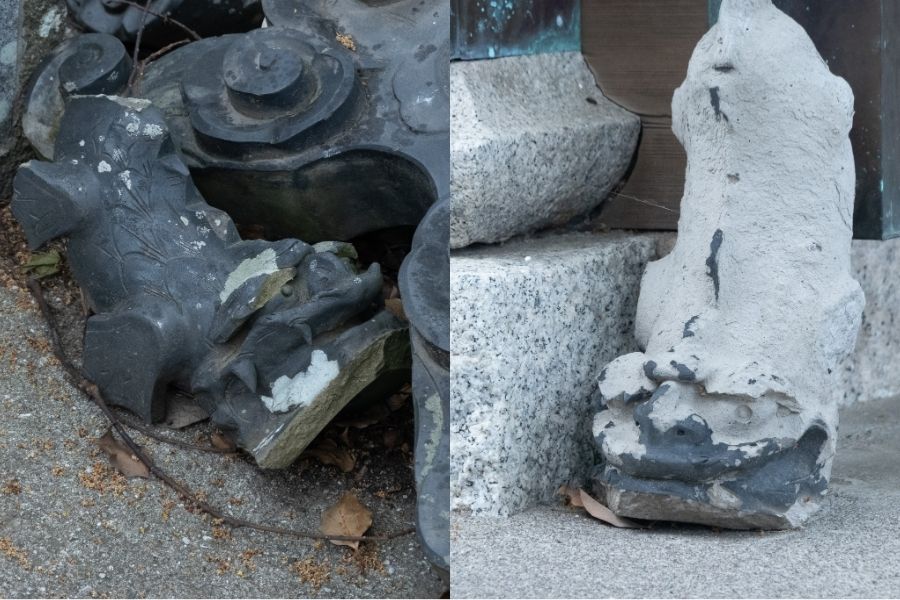
シャチホコといえば、一対なので、相方はどこにと思ったら
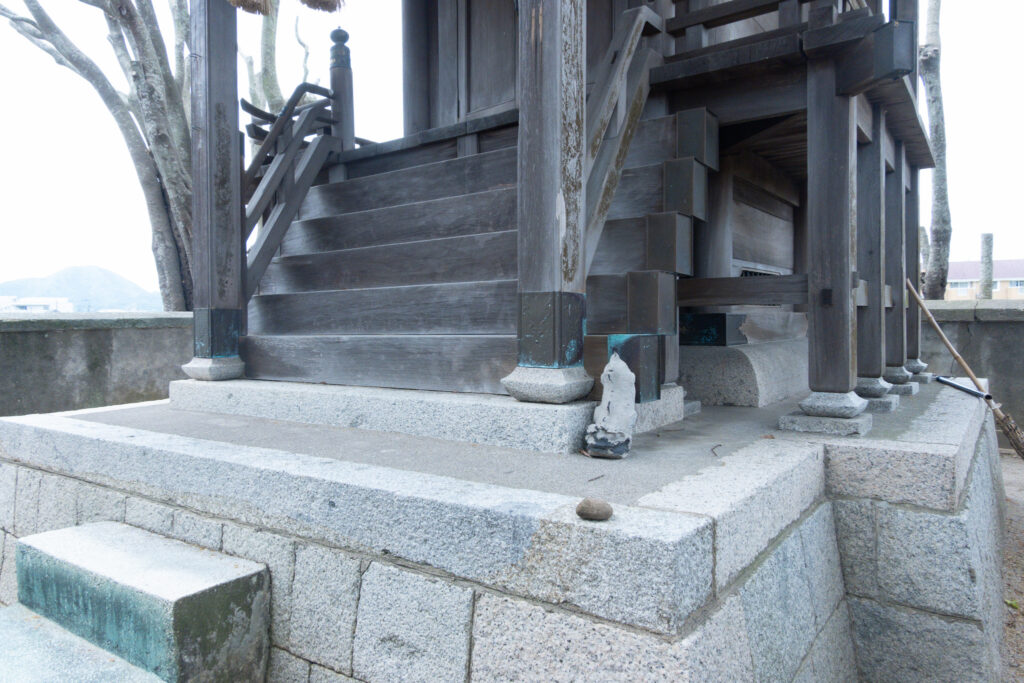
本殿のところに置かれていました。
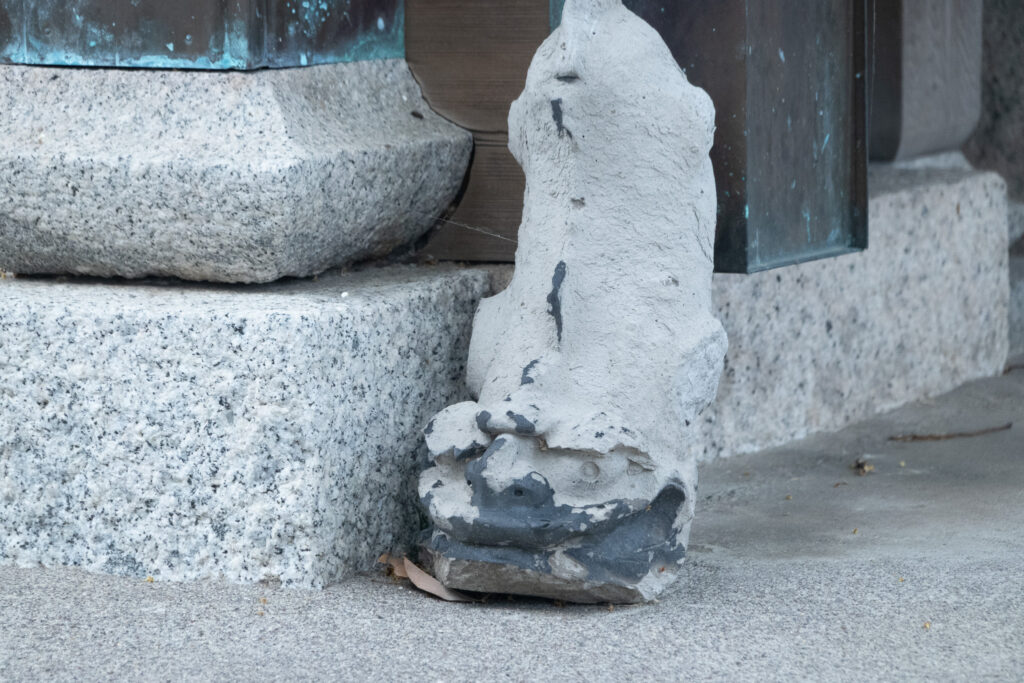
よく見ると、口元が違います。
屋根の一部と一緒に置かれていたのは、口が開いていました。
こちらは口を閉じています。
「阿吽」です。
口を開いた「阿形」、口を閉じた「吽形」。
仁王像や狛犬と同じ。
同じ宇佐市内の下拝田貴船神社でも目にしていた鯱(シャチホコ)
法鏡寺貴船神社と同じ宇佐市内にある下拝田貴船神社にも、鯱がありました。
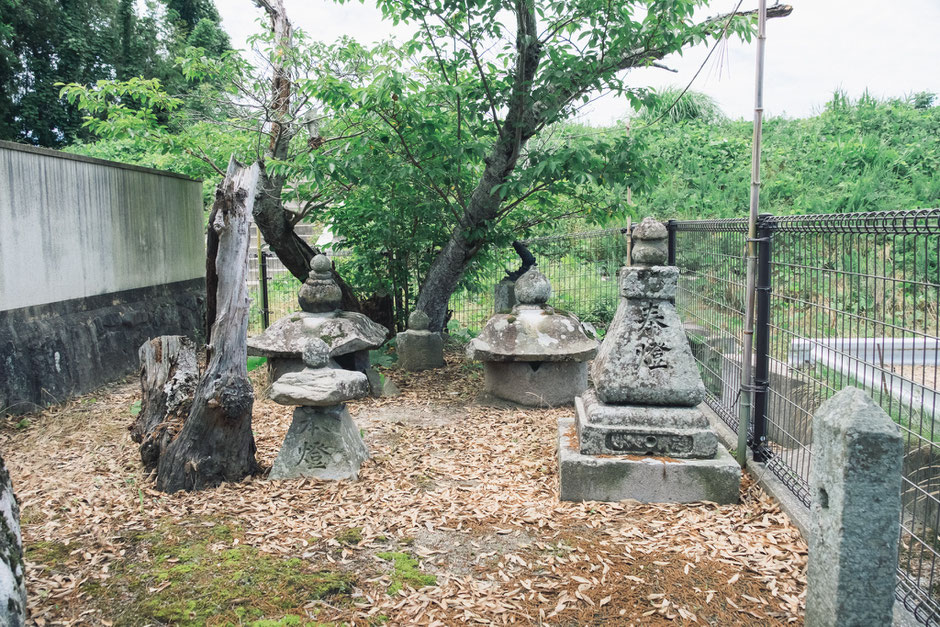
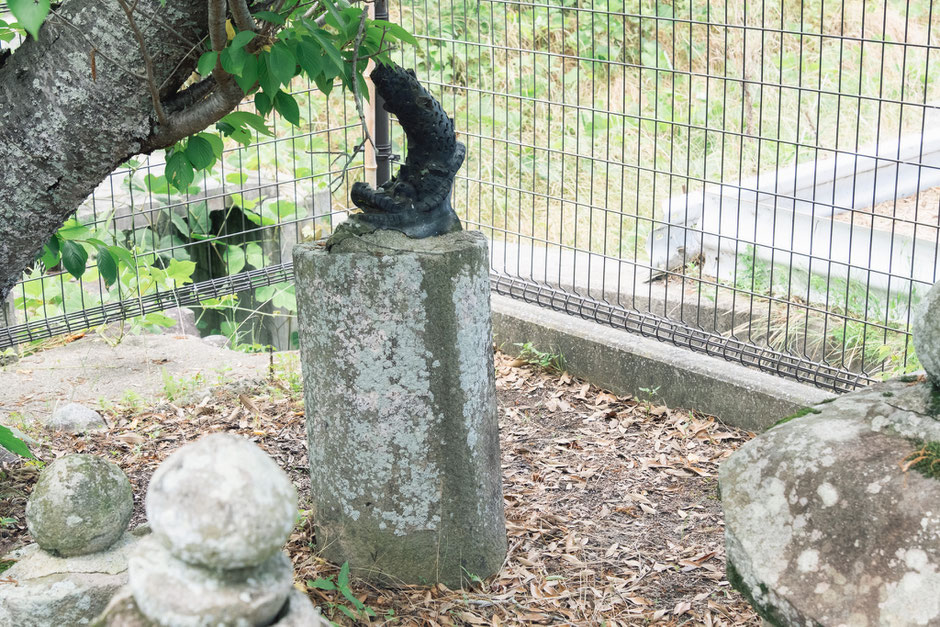
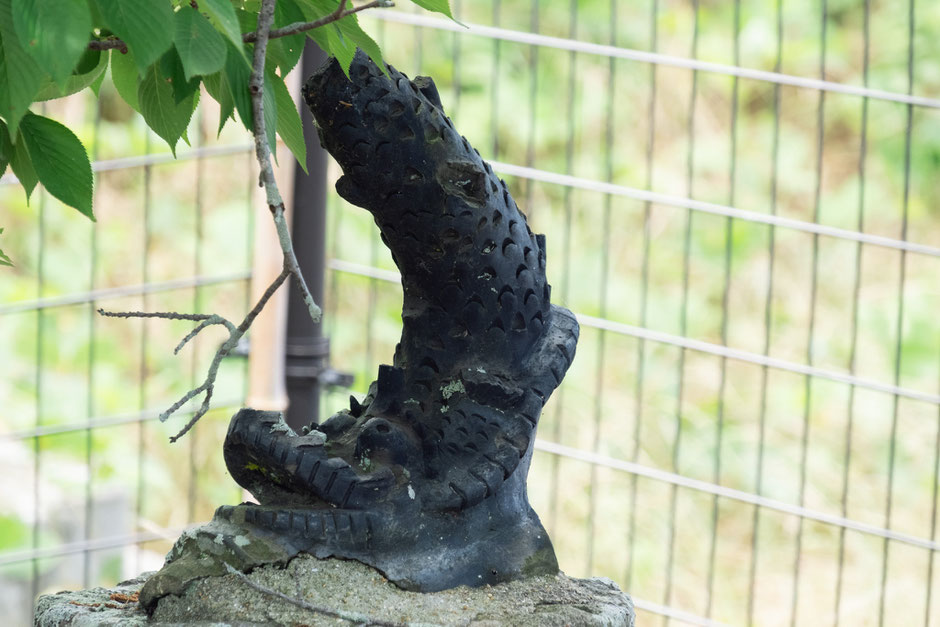
口を開けた鯱(シャチホコ)。阿形です。
この時、吽形は見当たらなかった記憶があります。
雌雄といえば、狛犬にも雌雄がある
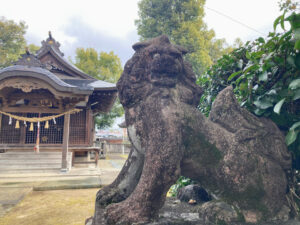
そういえば、宇佐市や豊後高田市で時折見かける狛犬。
子供連れの狛犬です。
豊後高田市 三笠山春日神社の狛犬
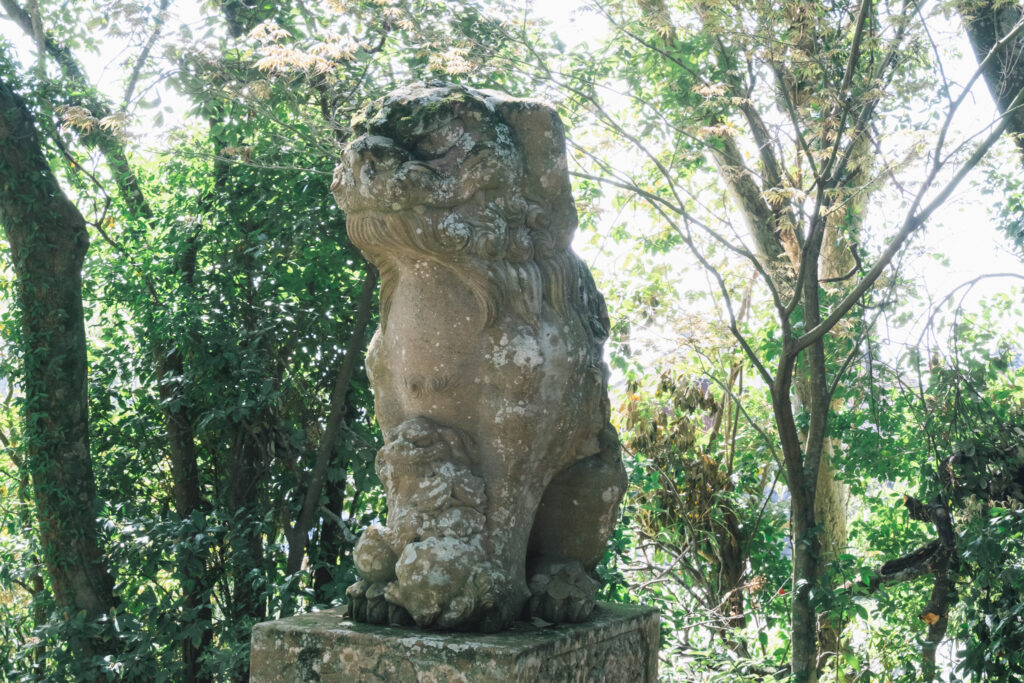
口を閉じた吽形の足元には
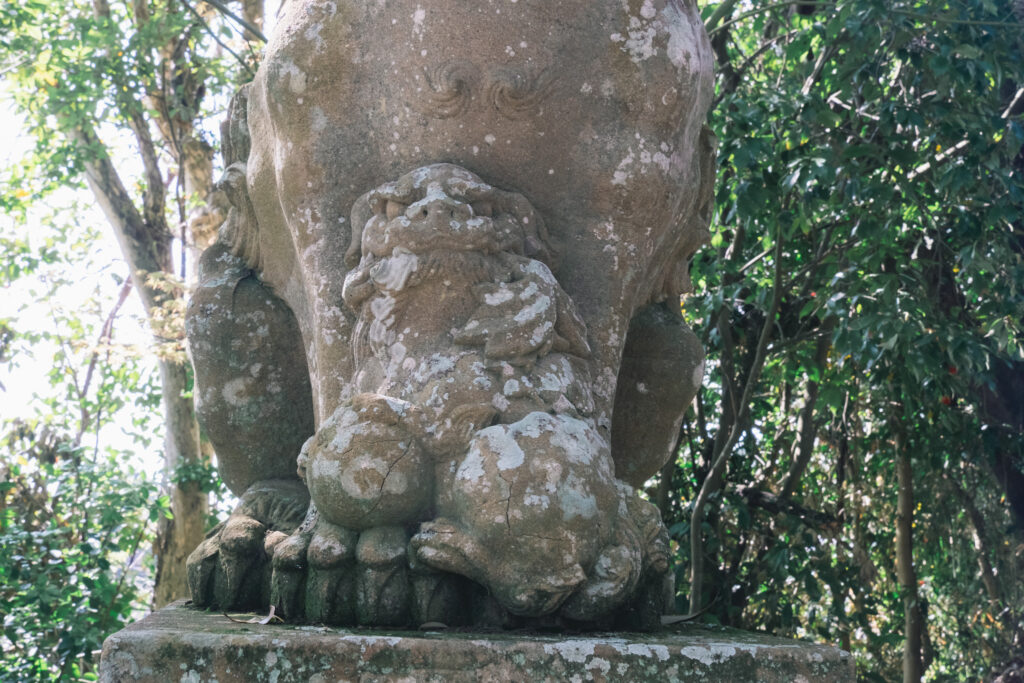
子供の狛犬。
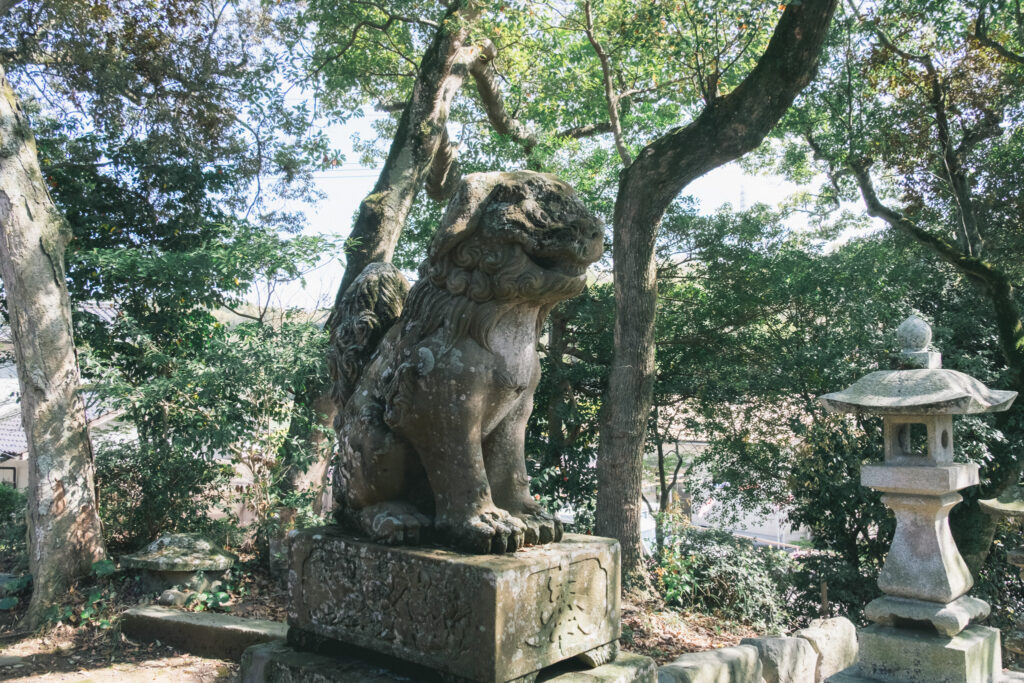
隣には、口を閉じた阿形の狛犬。
豊後高田市の若宮八幡神社の狛犬
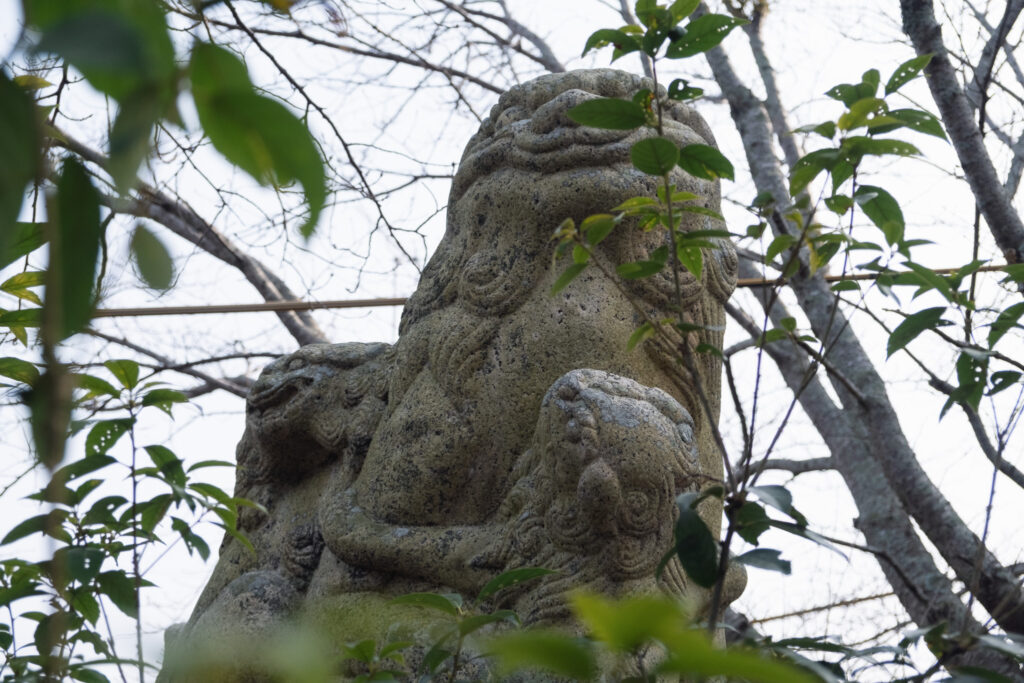
口を閉じた吽形の足元に子供の狛犬。
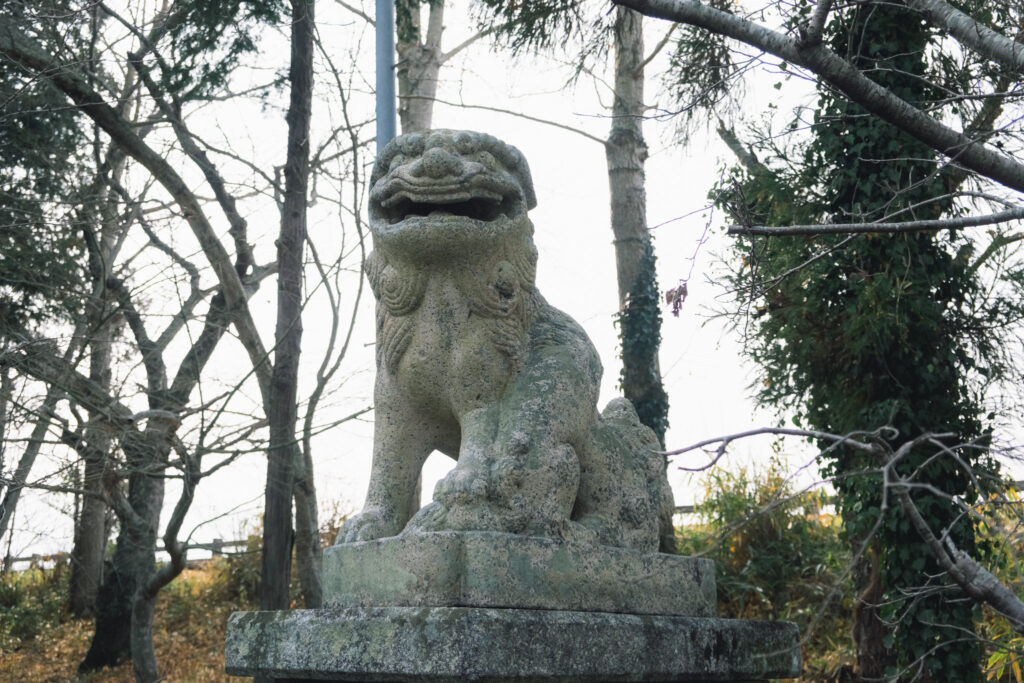
父狛犬。阿形です。
豊後高田市 日枝神社
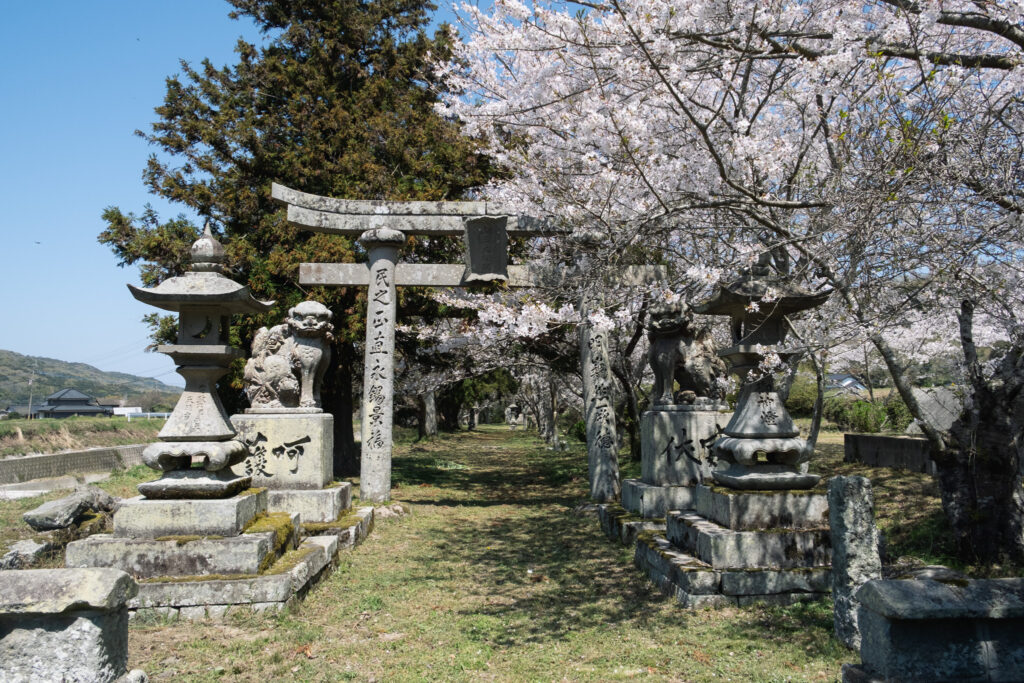
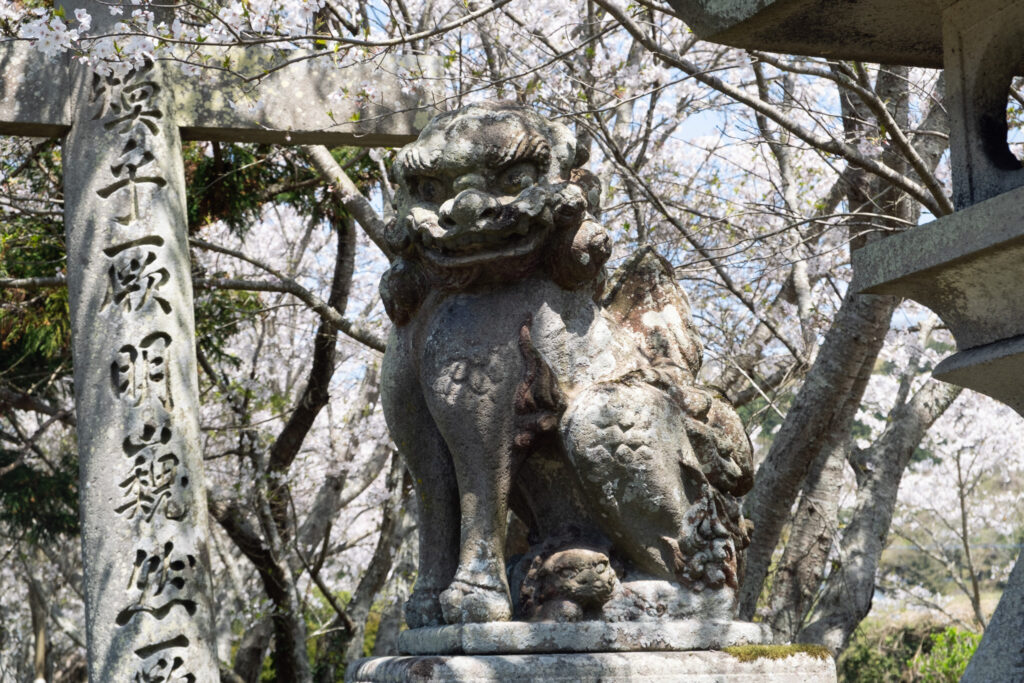
阿形の狛犬の足元に子供の狛犬。
たしかこの狛犬、背中にも子供狛犬がくっついていた記憶があります。
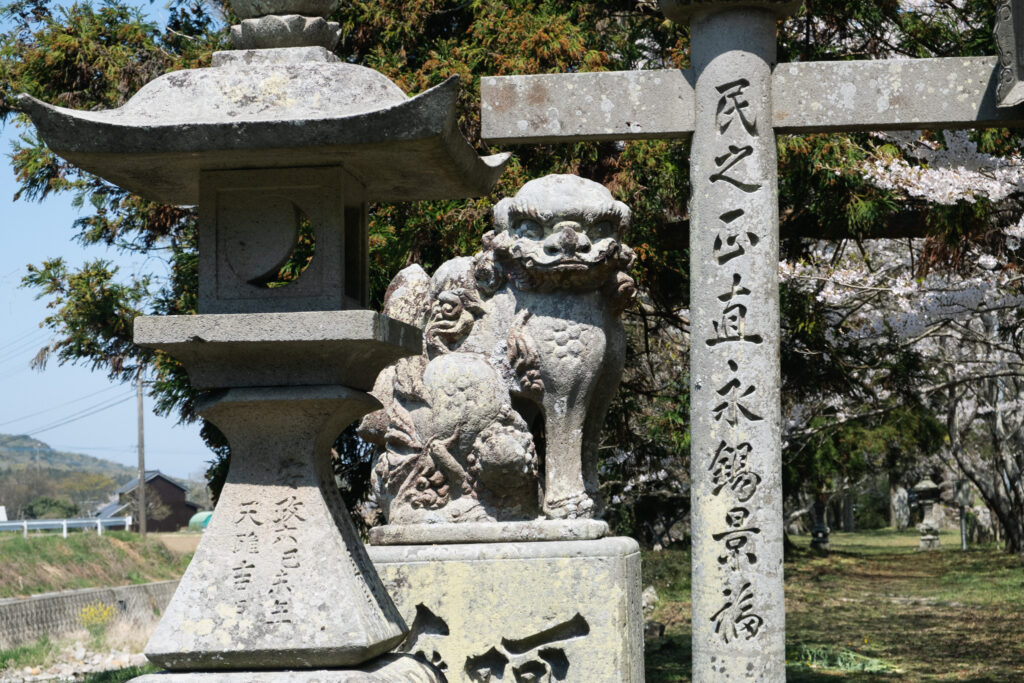
吽形の狛犬。
宇佐市安心院町の妻垣神社の狛犬(おそらく)
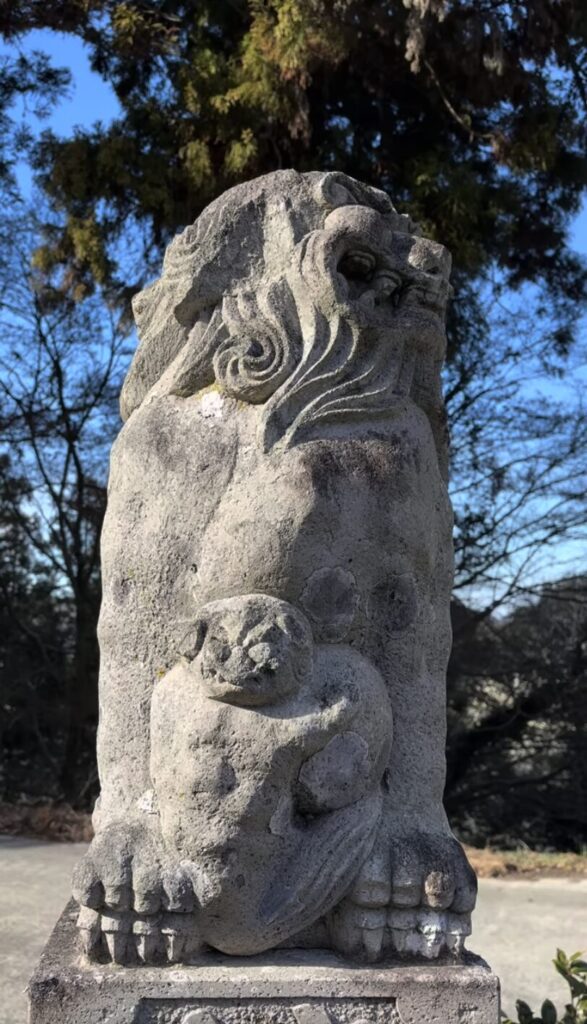
いずれも、これまで辿ってきた狛犬です。
なぜ貴船神社なのにシャチホコを隅に置いたのか?
よくよく考えてみると、シャチホコを見つけたのは「貴船神社」なのですから、別にシャチホコを外す必要はなかったのでは?と不思議に思いました。
龍神を祀る神社に龍がいても、問題ないですよね。
それでもし自分が消したい側なら、何を消すつもりだったのかと想像したところ、「雌雄一対」が都合が悪かったのではないかと思い至りました。
貴船神社の御祭神である龍神が、雌雄一対。
男性と女性。
陰と陽。
以前耳にした宇佐神宮の御祭神の説と、リンクします。

やはり気になるキーワードですね。
English Summary
An English summary has been added below to share these records with readers around the world.
Please note: This summary was generated using AI translation (DeepL or Gemini). While we strive for accuracy, some technical terms or subtle nuances of local history may differ from the original Japanese.
Topic: Topic: The discarded Shachihoko of Kifune Shrines: Tracing the obscured “A-un” duality and the memory of paired deities in Usa.
Summary: At two Kifune Shrines in Usa City—Hokyoji and Shimo-haida—the author discovered discarded Shachihoko (mythical carp-headed dragons) placed in the corners of the shrine grounds. While these figures are known as fire-preventing talismans, the author noticed a crucial detail: they form an “A-un” pair (one with an open mouth, one closed), similar to Komainu guardian lions.
In the surrounding region, many Komainu are depicted as a male and female pair, often accompanied by offspring. This theme of “Duality” (male and female / Yin and Yang) aligns with the nature of the Dragon God of Kifune. The author infers that the removal of these Shachihoko from the roof to the corners of the shrine might have been an intentional act to obscure the original belief in a “Paired Deity.” These fragments serve as silent evidence of a spiritual duality that was once central to the region’s ancient faith.