嘉麻市の古墳へ
歴史が好きで色々まわってはいても、まだまだ知らないことは沢山あります。
古墳があった場所は、古代の人たちにとって重要な場所であるという事実も最近知りました。
風水的にも大変優れた場所でもあるそうです。
その土地を治めていた、「豪族」と呼ばれた地域の首長たちのお墓が古墳です。
先祖が自分たちを守ってくれると信仰していた古代の人々にとって、亡くなった首長は一等地に手厚く葬られたということです。
そんな昔の歴史を刻んだ古墳が、現代でも身近に豊富に残っているなんて、すごい話です。
古墳の意味を知って、古墳イコール「お墓」という認識を改め、古墳に興味を持つようになりました。
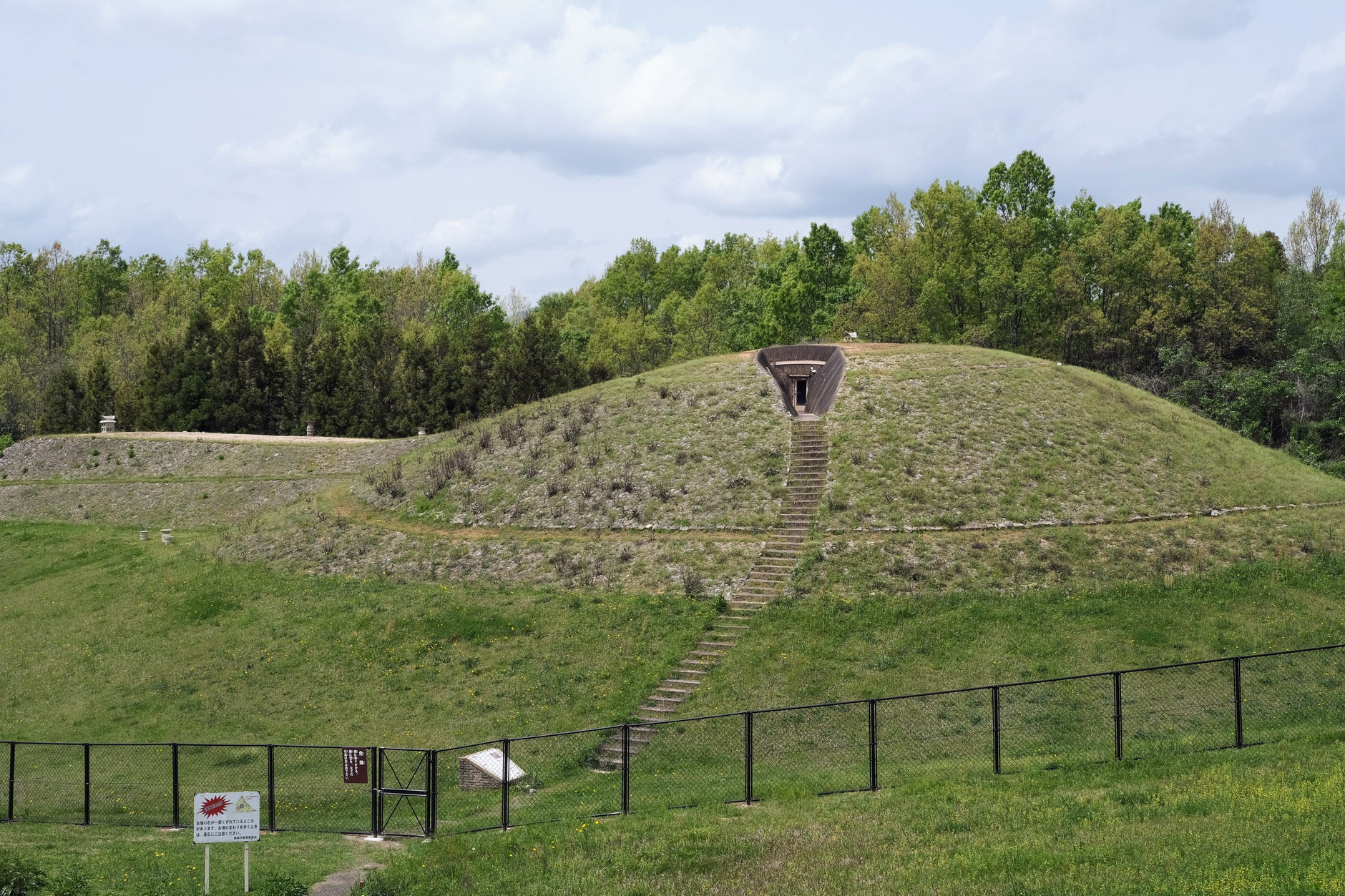
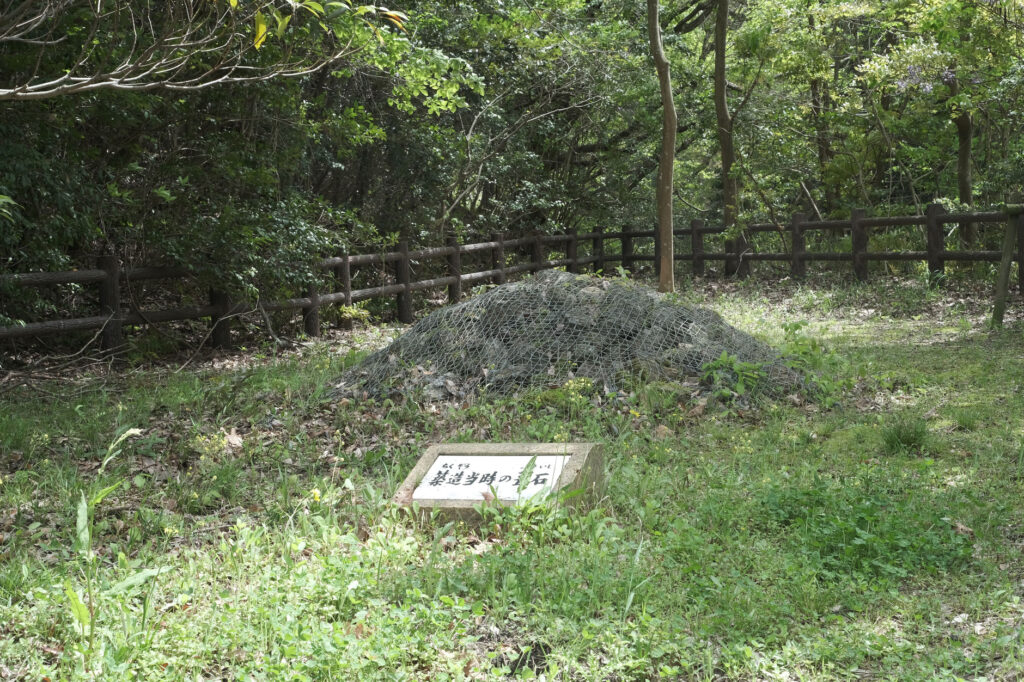
ふと思い立って行ってみた古墳が、福岡県嘉麻市の沖出古墳。
4世紀の古墳です。
豊前市から一般道、田川の赤村を経由して嘉麻市に到着しました。
初めて訪れた沖出古墳。
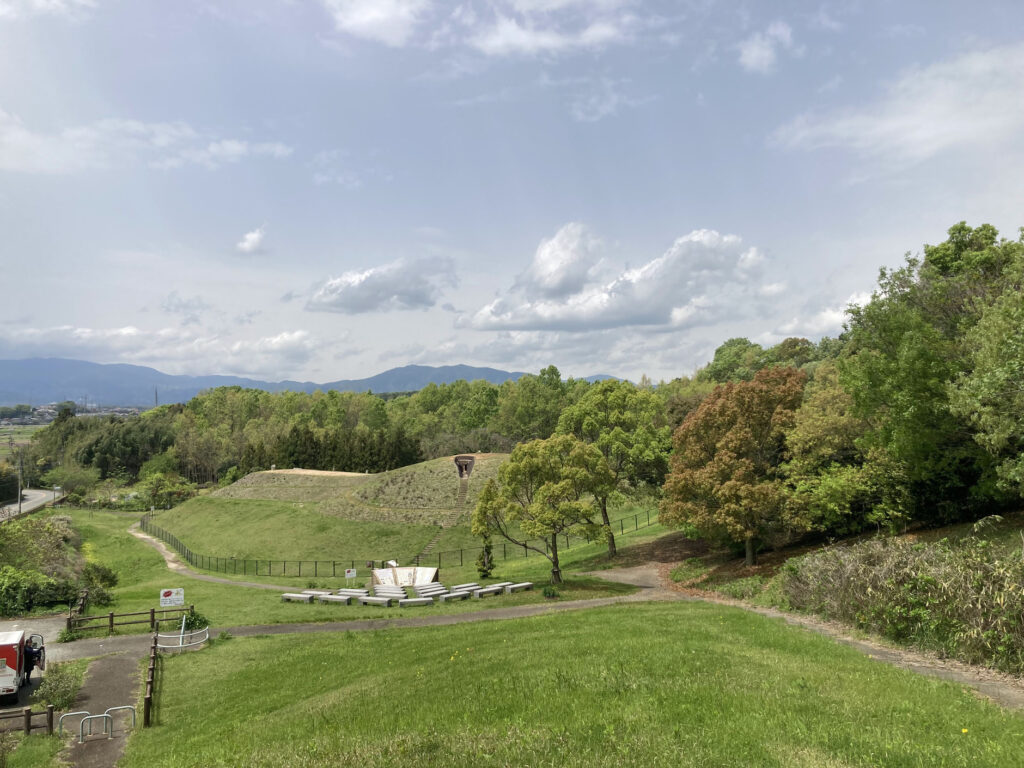
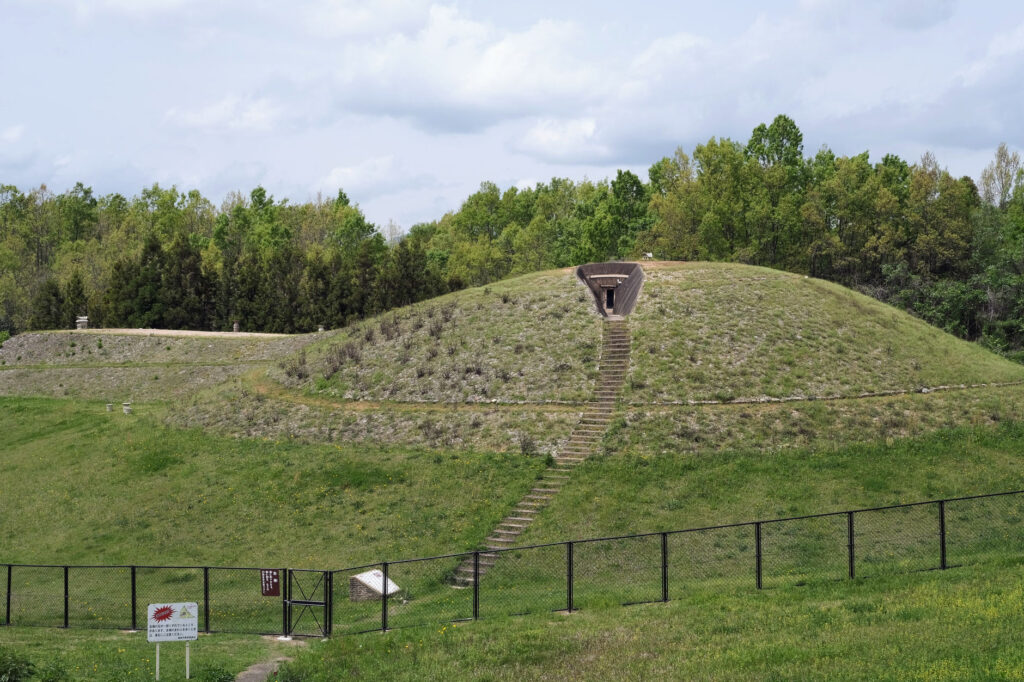
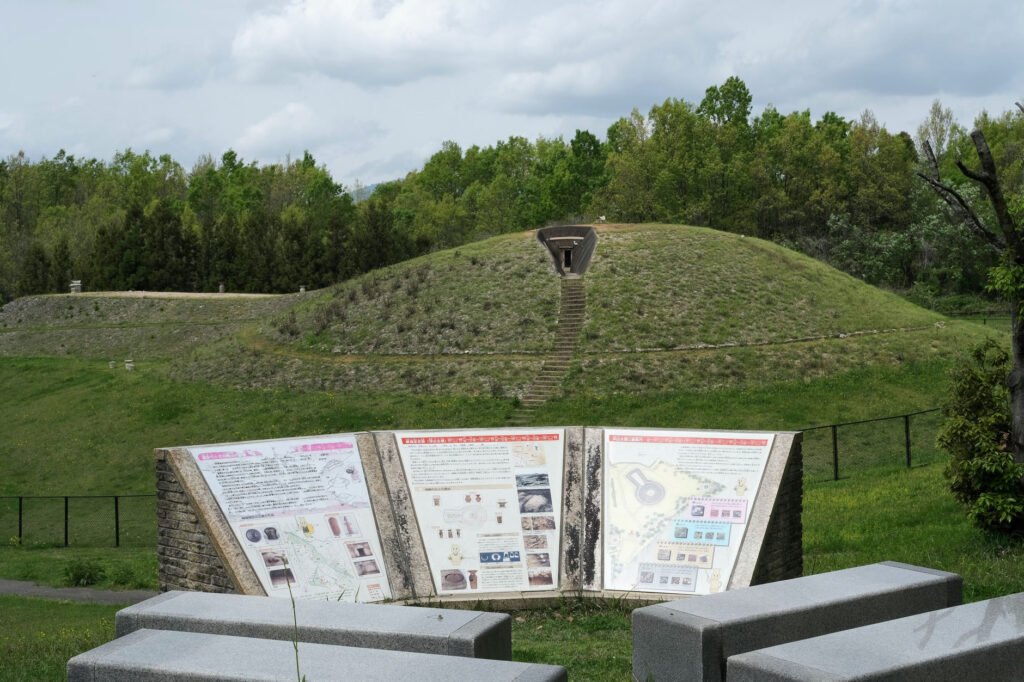
分かりやすい前方後円墳です。
古墳を見下ろす丘から、古墳を眺めていると、古代の人たちはこの景色を見てどんなことを考えていたのだろうと、想像しました。
「沖出古墳」とは
吉村靖徳著「九州の古墳」参考
威信財・三種の腕輪が揃って出土遠賀川上流域の嘉麻川に向かって伸びる丘の端っこに位置する前方後円墳
古墳がある場所は「古墳公園」として墳丘上の埴輪や斜面に施された葺石が復元整備されている
竪穴式石槨とレプリカの舟形石棺はガラス越しに見ることができる
館内から太刀や鉄剣が出土。中でも緑色凝灰岩製の鍬形石(くわがたいし)・車輪石(しゃりんせき)・石釧(いしくしろ)の腕輪形石製品のセットは珍しかった。
九州では他に宗像市の「海の正倉院」沖ノ島祭祀遺跡で知られるだけだそう。家形埴輪に線刻された直弧文(ちょっこもん)は古い段階の例。
遺物や石棺の破片は碓井郷土館で展示されている
アクセス
〒820-0201 福岡県嘉麻市漆生78−1
この記事に近い記録

English Summary
An English summary has been added below to share these records with readers around the world.
Please note: This summary was generated using AI translation (DeepL or Gemini). While we strive for accuracy, some technical terms or subtle nuances of local history may differ from the original Japanese.
Topic: Beyond the Grave: Exploring the Okide Tumulus and its rare ritual treasures from the 4th century.
Summary: Visiting the Okide Tumulus in Kama City, Fukuoka—a massive keyhole-shaped burial mound (zenpo-koen-fun) dating back to the late 4th century—the author reflects on the spiritual significance of these ancient sites. Far from being mere “graves,” tumuli were built on prime land deemed auspicious (even by feng shui standards), where the entombed regional chieftains were believed to continue protecting their descendants.
The Okide Tumulus is notable for yielding a prestigious set of three types of stone bracelets (hoe-shaped, wheel-shaped, and radial-patterned stone rings) made of green tuff. In Kyushu, such a complete set has only been found elsewhere at the “Shosoin of the Sea” on Okinoshima Island. The presence of these ritual items, along with a replica boat-shaped stone coffin and ancient linear patterns (chokkomon) on haniwa, highlights the high status of the local rulers who once controlled the upper reaches of the Onga River.