偶然見つけた阿弥陀堂
豊後高田市の古墳「雷鬼の岩屋古墳」を見に行った後、徒歩で近くの海神社に向かった。
海神社で古い瓦に菊の紋を見た後、行きとは違う道を通って車を停めていた「雷鬼の岩屋古墳」に戻ろうと歩いた。
すると前方右側に民家のものにしては大きなため池があり、道を挟んだ左側に小さなお堂のようなものが見えた。
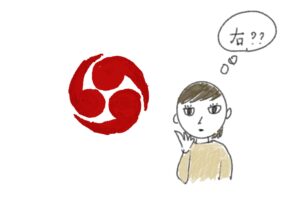
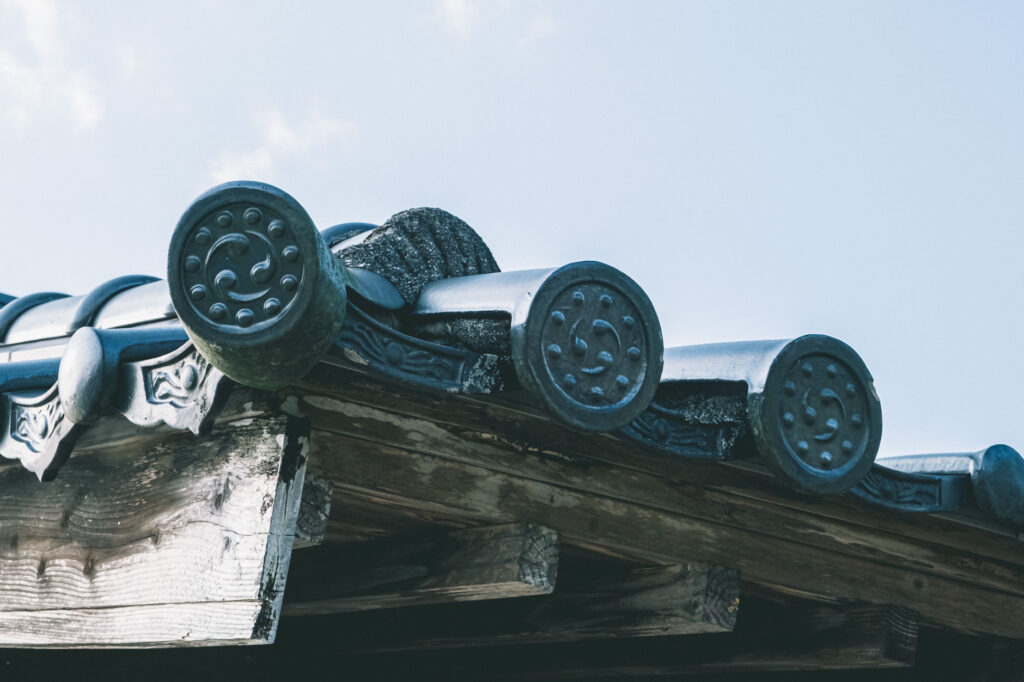
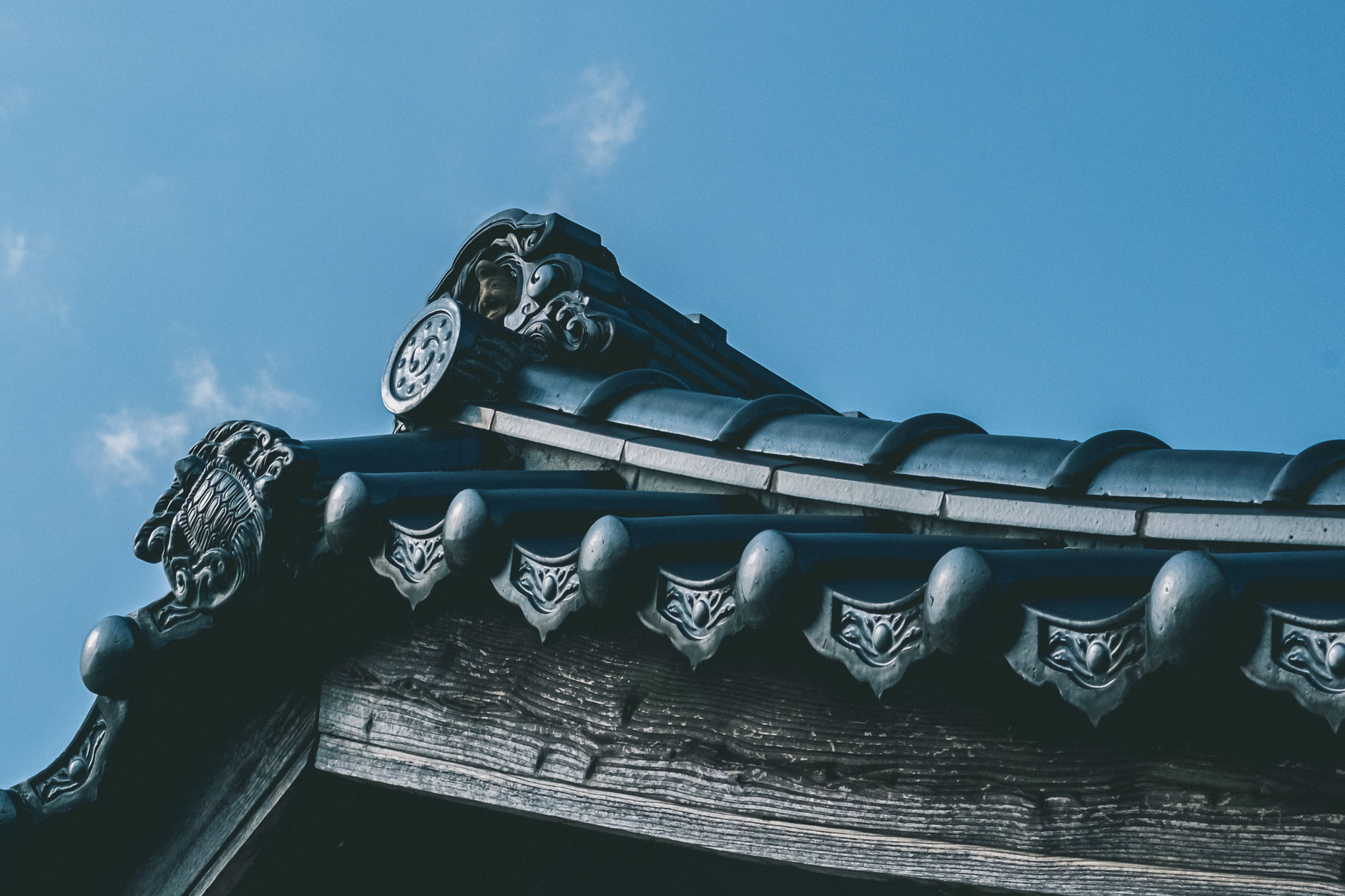
そのお堂の屋根瓦に、ずっと追っている右三つ巴紋を見つけた。

比較的新しそうな瓦の一部には右三つ巴紋も左三つ巴紋も両方ある。

古そうな瓦には右三つ巴紋。
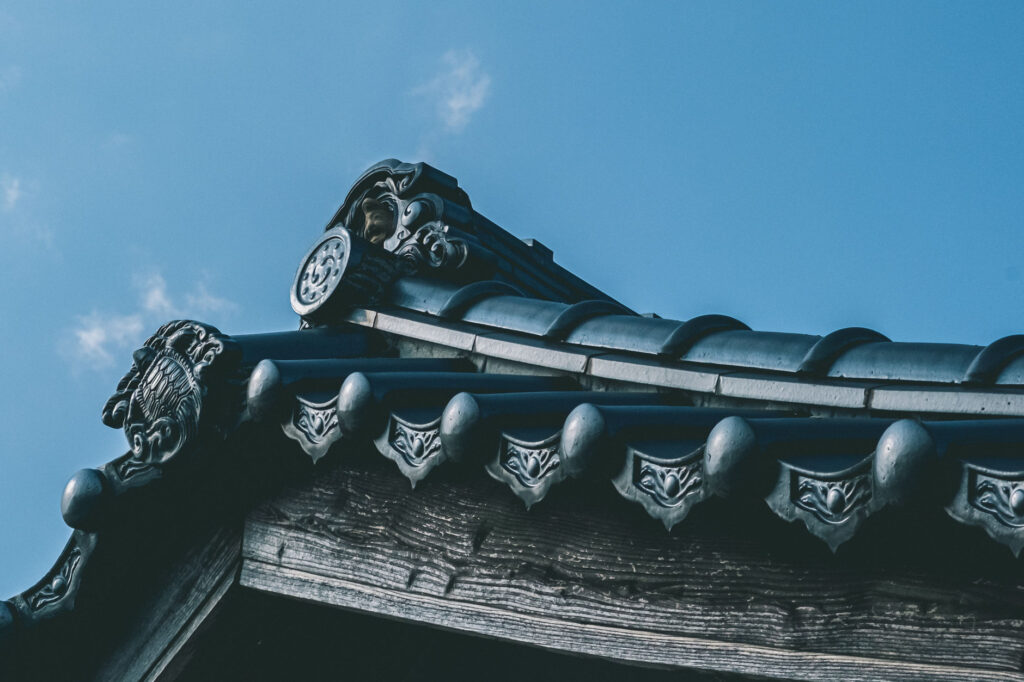
それに上の顔は大黒様だろうか。それともヱビス様か。
持ち物がないとよく分からない。
豊前市の道祖神社や、宇佐神宮の近くの民家でも同じような顔を見た。
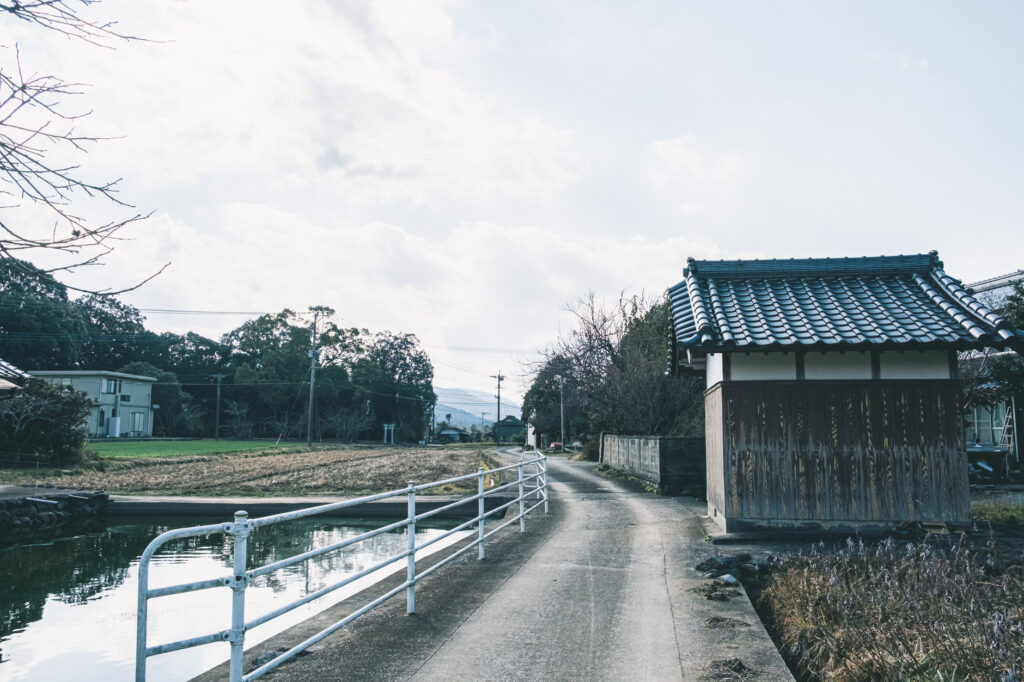
写真奥が海神社、お堂がある場所を通り過ぎたところから撮影したので、右がお堂。
写真を撮る前にお堂の奥のお宅の方にお話を伺うことができて、色々お話も伺えた。
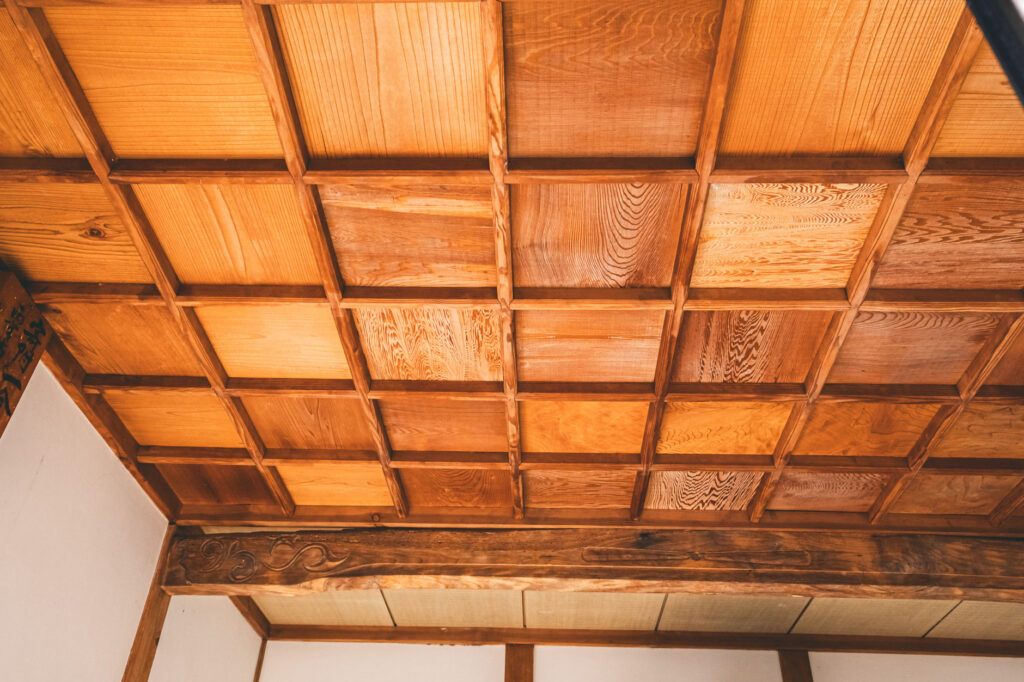
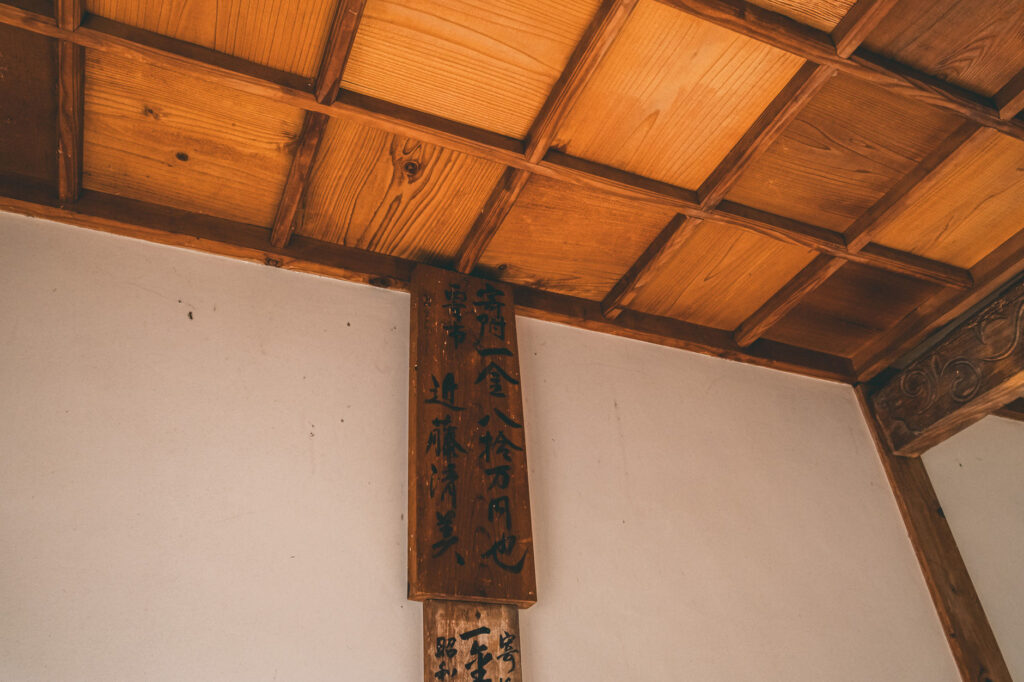
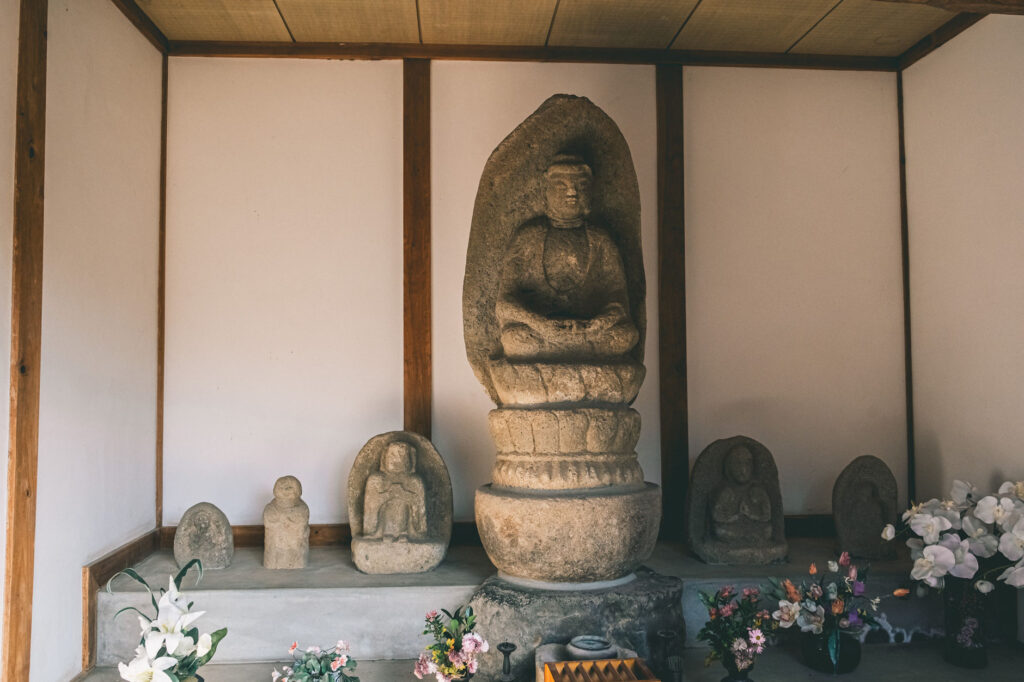
「写真、どうぞどうぞ。ここは阿弥陀堂です。費用を出してくれる方がいて、私が建て直しました」
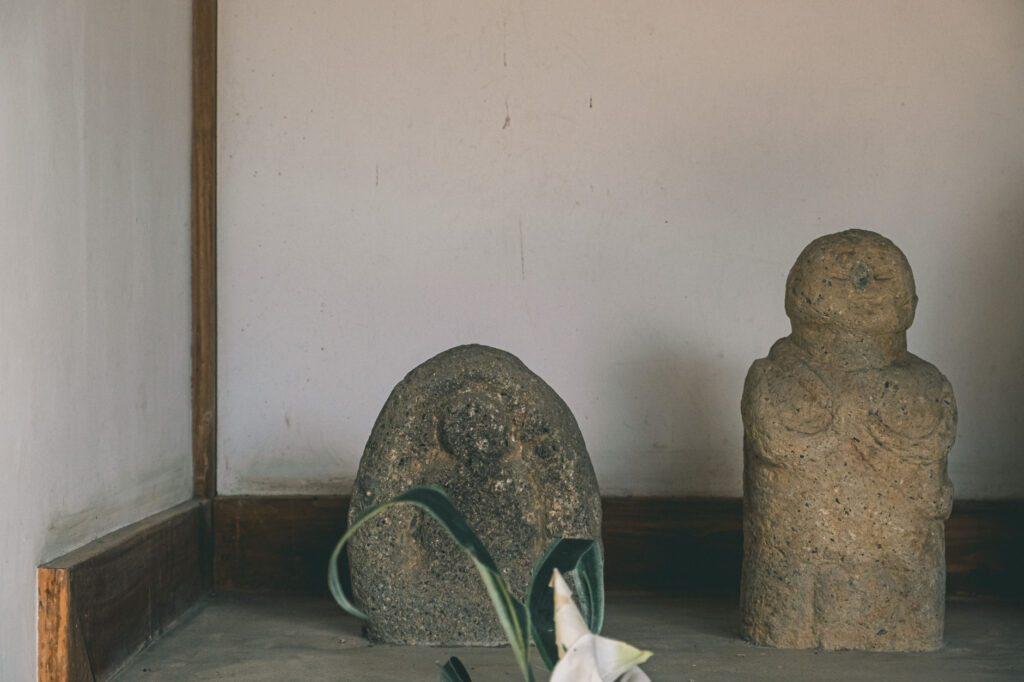
「一番左の仏様が一番古いそうです」
「仏様たちは飛んできたと言われています。なぜ飛んできたかといえば、井戸があるからだって。お堂の前に囲っているところがあるでしょう。それが井戸です。水道がなかった時代、この辺の人たちがここに集まってきてたんですよ」
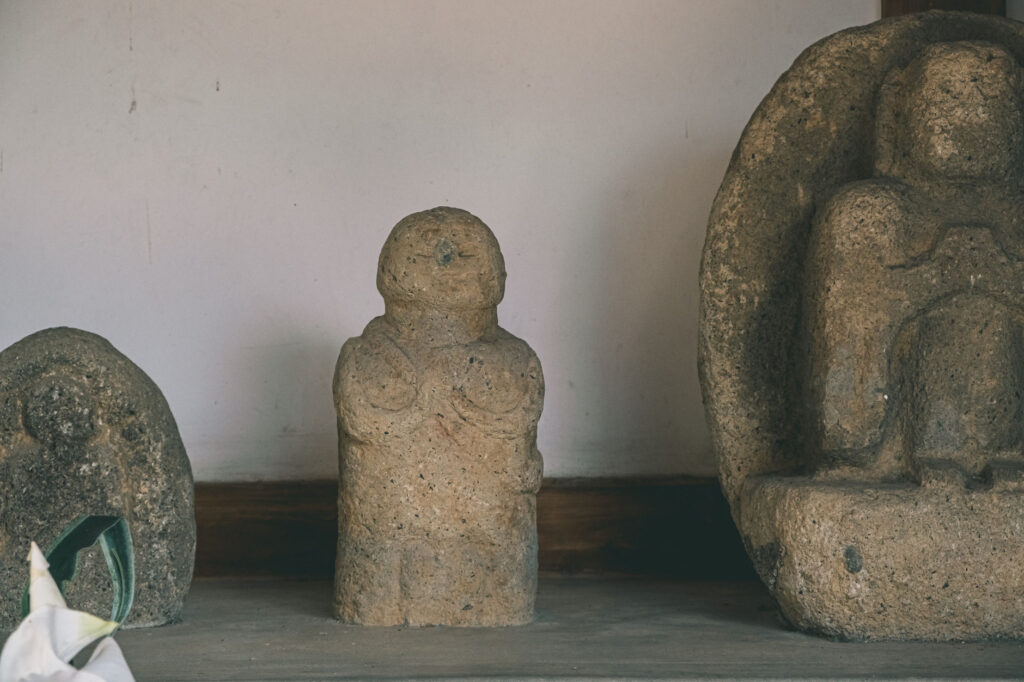
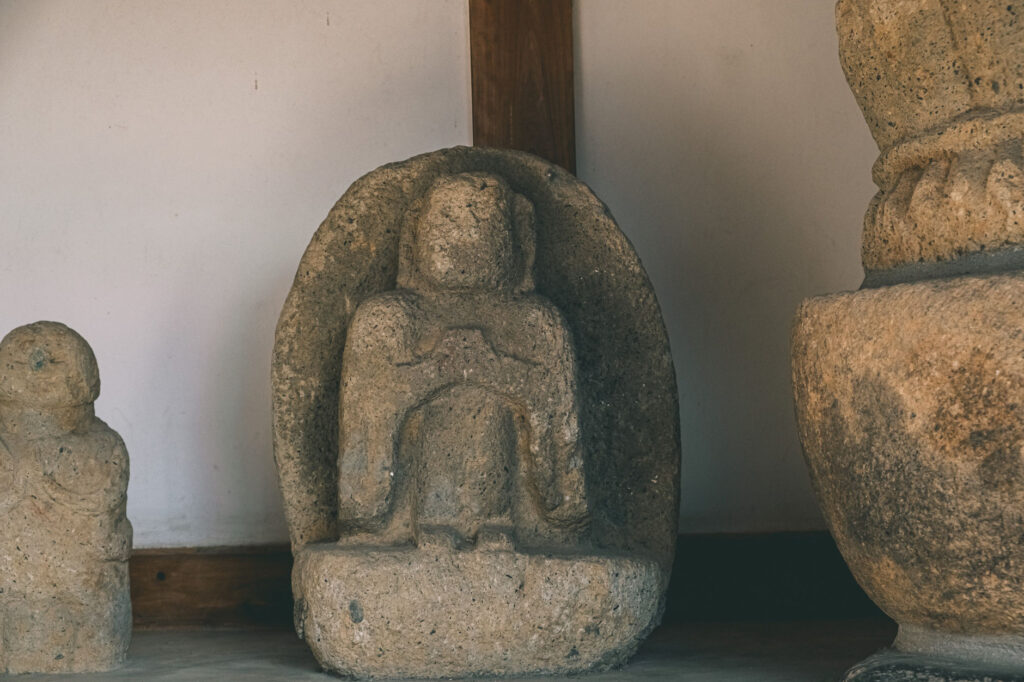
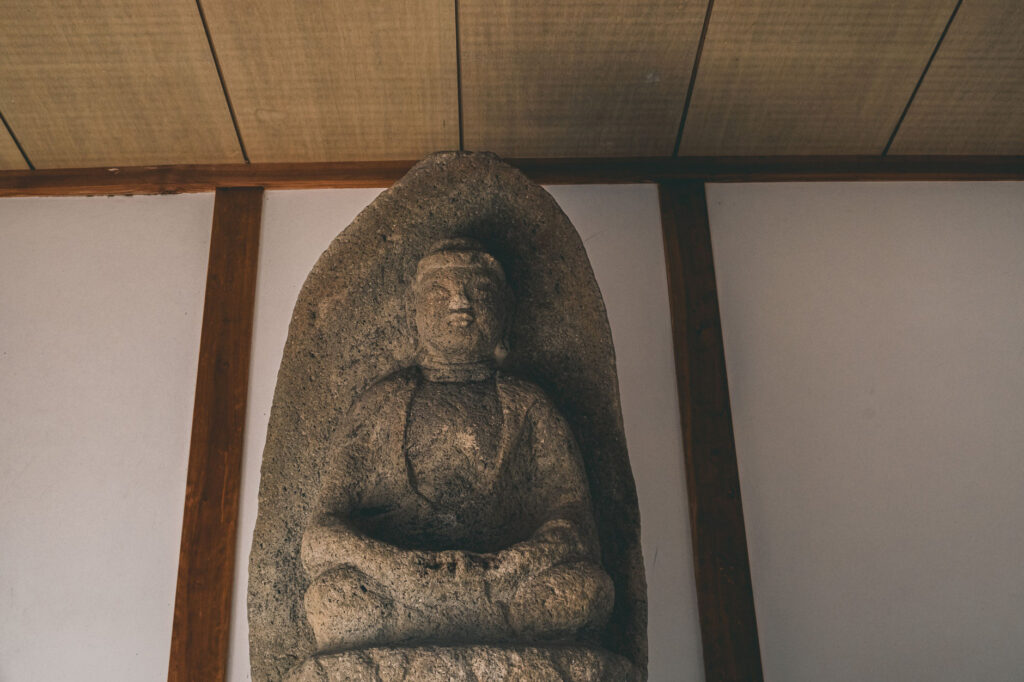
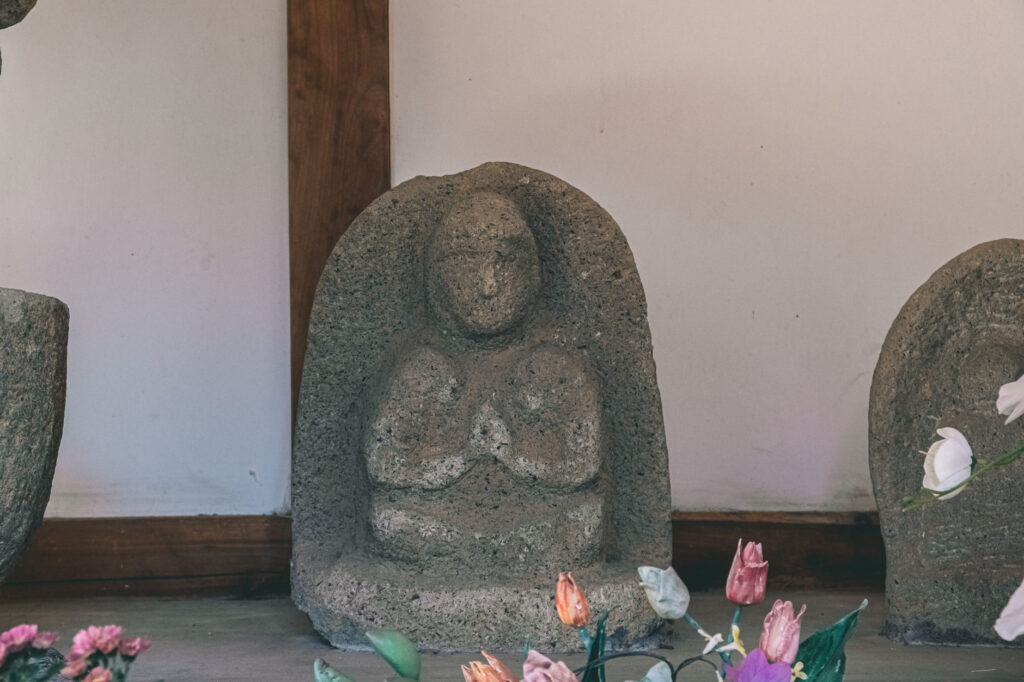
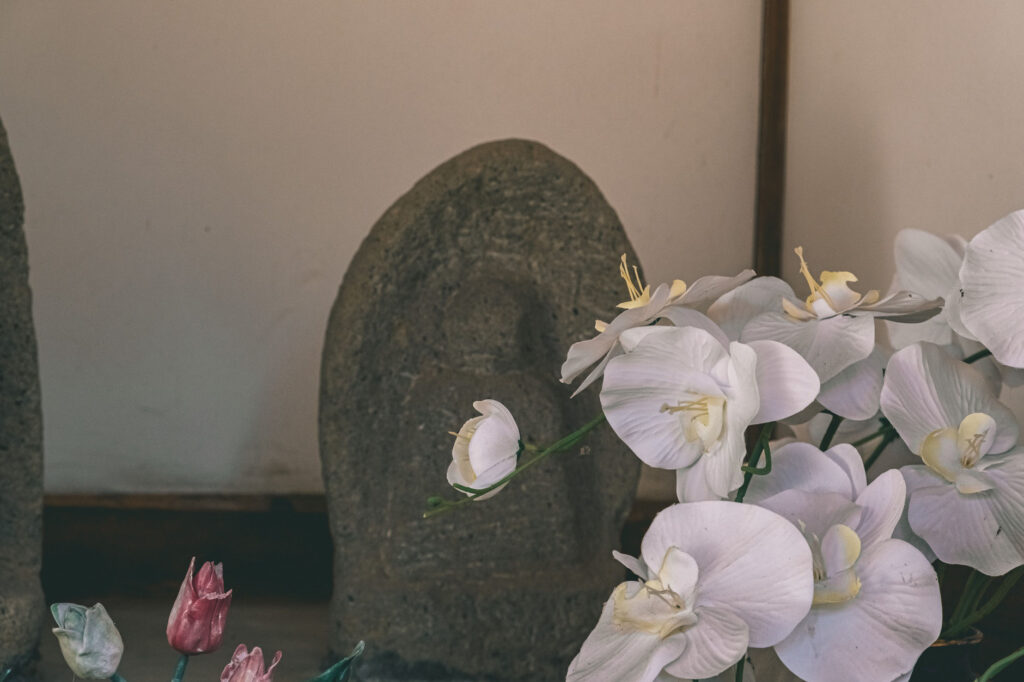
お堂の建て直しで費用がかかったのは瓦だったそうだ。
しかしその瓦のおかげで右三つ巴紋の跡が今後も残される。
この記事に近い記録

English Summary
An English summary has been added below to share these records with readers around the world.
Please note: This summary was generated using AI translation (DeepL or Gemini). While we strive for accuracy, some technical terms or subtle nuances of local history may differ from the original Japanese.
Topic: The Flying Buddhas and the Right Swirl: Discovering local legends and ancestral crests at a roadside Amida-do.
Summary: While walking back from Raiki-no-Iwaya Kofun and Kai Shrine in Bungotakada City, the author discovered a small Amida-do (a hall dedicated to Amida Buddha) along a path by a large pond. The roof tiles of this hall featured the “Mitsu-tomoe” (three-fold swirl) crest—a recurring motif in the author’s research.
Interestingly, while newer tiles displayed both left and right swirls, the older tiles exclusively bore the right-facing Mitsu-tomoe. A local resident, who personally oversaw the hall’s reconstruction, shared a captivating legend: the Buddhist statues are said to have “flown” to this spot, drawn by the presence of a natural well. In the era before modern waterworks, this well served as a vital gathering place for the community. Through the costly preservation of these specific roof tiles, the physical legacy of the “Right Mitsu-tomoe” has been secured for the next generation.