福岡県民に馴染み深い宗像大社
本州生まれの本州育ちの自分が北九州市に移り住んだのは、大人になってからのことです。
だからか、周りの福岡県民からの言葉
「車を買ったら、宗像大社でお祓いしてもらうんですよ」
「出光の創始者は、とても宗像大社を大切にしていました」
に、新鮮な驚きがありました。
みなさん、宗像大社が身近な存在なのだなと。
宗像大社の御祭神である宗像三女神はあらゆる道の最高神。
道路だけでなく、様々な道を司る、最も高貴な神様。(「道主貴(みちぬしのむち)」とも呼ばれる)
そんな神様を祀る神社は、広々としていて、参拝者が多い日でもゆとりがあるほどです。
いつ行ってものんびりできました。
市街地で暮らしていた頃、スッキリしないような疲れを感じたら、宗像方面に行って、散策するようになりました。
ときには手ぶらで、ときにはカメラを持って。
ある時、ちょうど行こうと思った日、宗像大社のホームページで調べたら、詳細は分からないものの「高宮祭場で秋季大祭が行われる」という情報が目に付き、何が撮れるかは分からないまま、カメラを持参して行ってみました。
秋季例大祭 10月1日~3日
秋季大祭は宗像大社にとって最も大切なお祭りであり、「みあれ祭」からはじまり、古式ゆかしい「高宮神奈備祭」で幕を閉じます。
宗像大社公式ホームページから引用
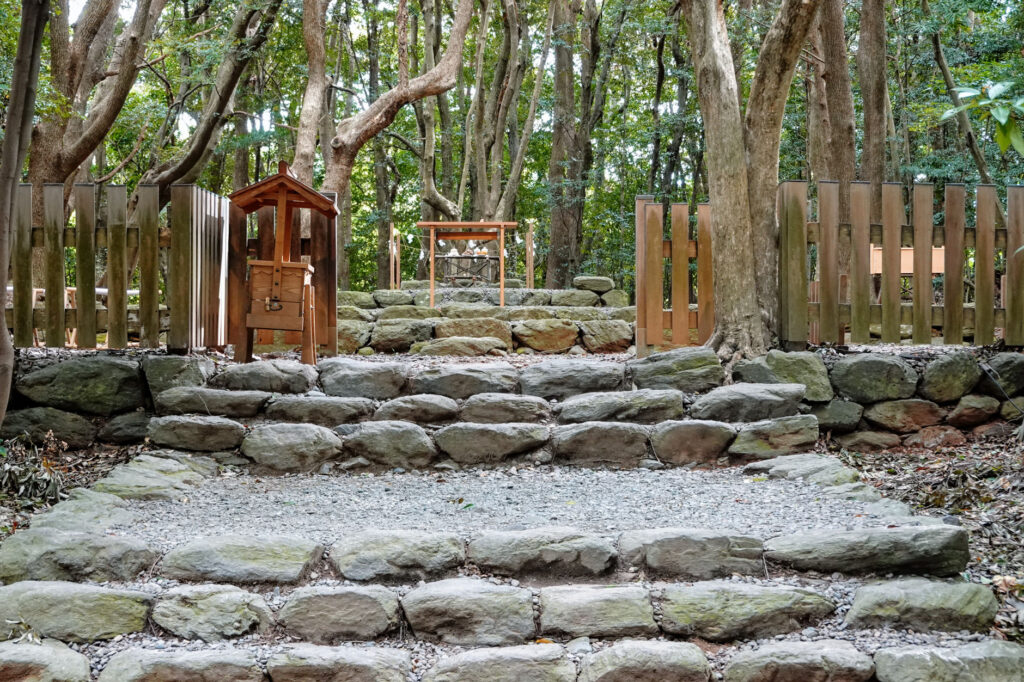
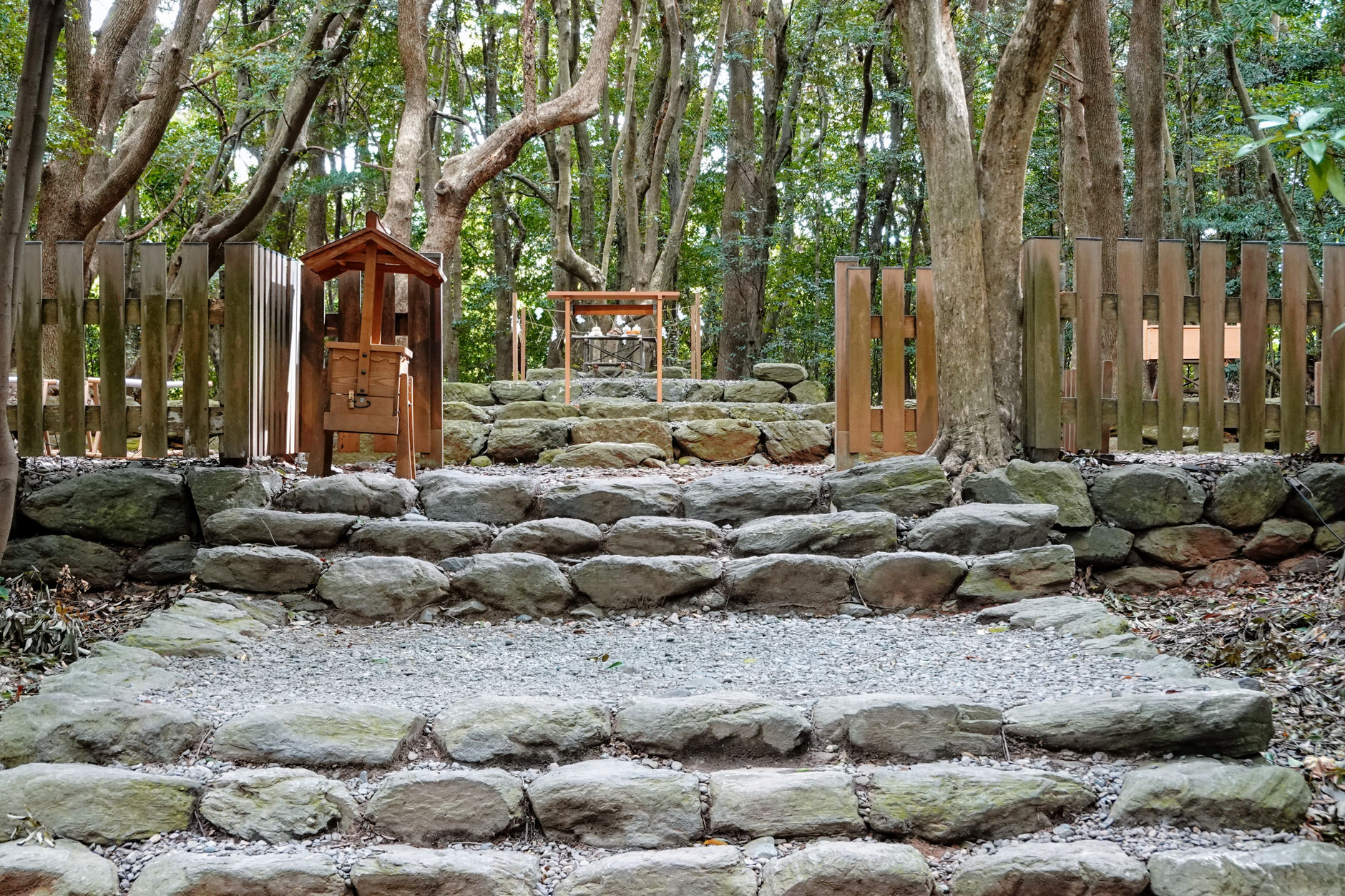
すると、いつもは閉じている高宮祭場の木の扉が開いていたのです。
扉の手前にはカメラを持っている方が数名ほど。
「あの、何かあるんでしょうか?」と尋ねたら「ちょうどいい、今から始まりますよ」と言われました。
「始まるとは何が始まるのだろうか」と、周囲を見回していたら、正装姿の男性陣がやってきました。
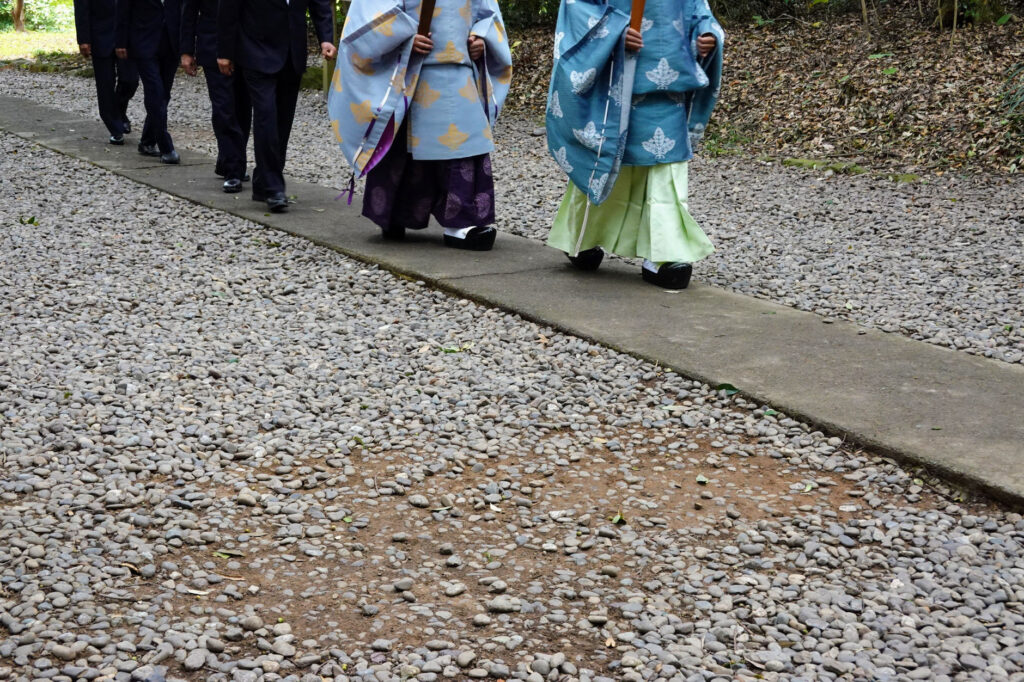
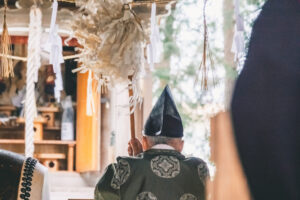
正装の男性たちが階段をのぼってやってきた。
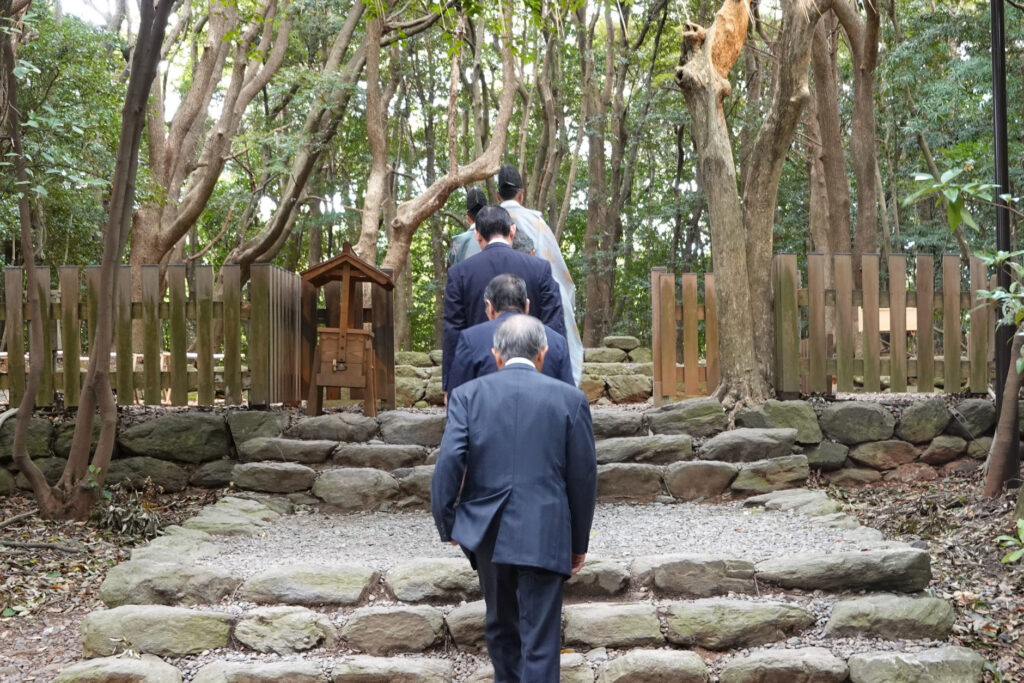
男性たちが、扉の中に入っていきます。
「あなたも入れますよ」と、声をかけてくれたカメラマンの方々と中に入ることができてしまいました。
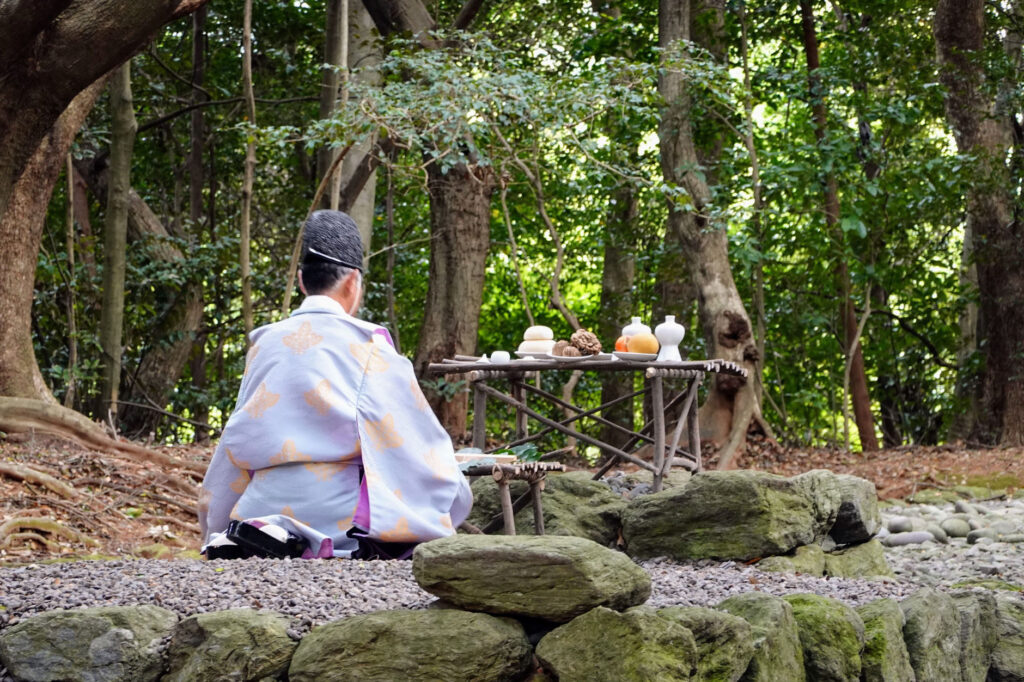
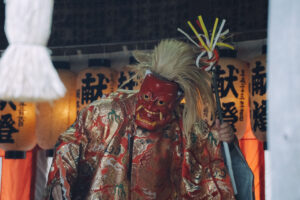
祭礼が始まった。
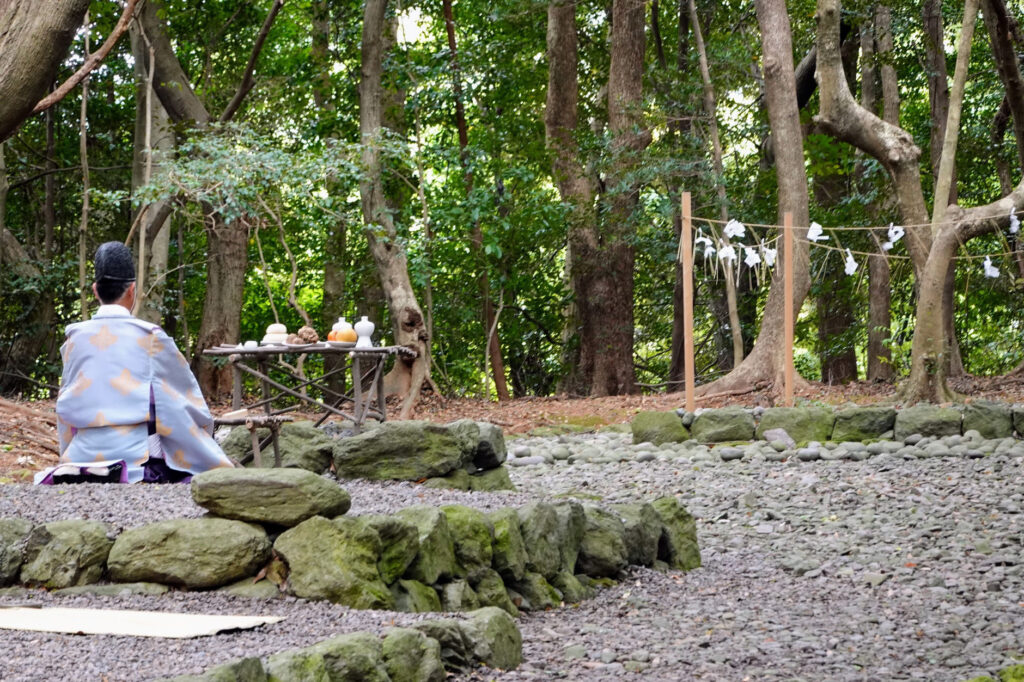
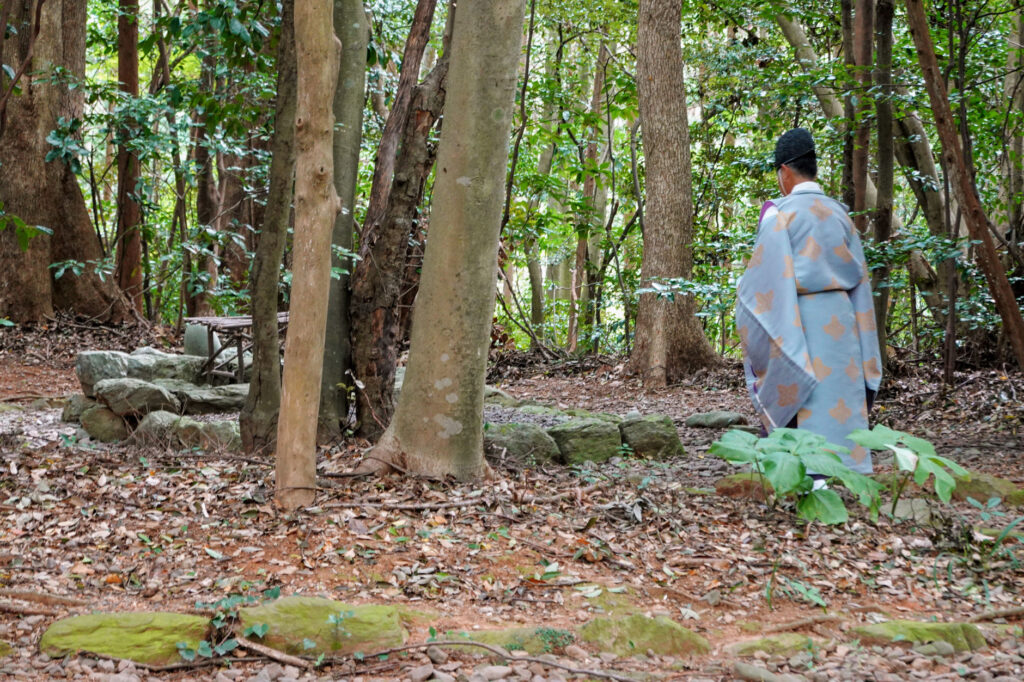
移動して高宮祭場の端へ。
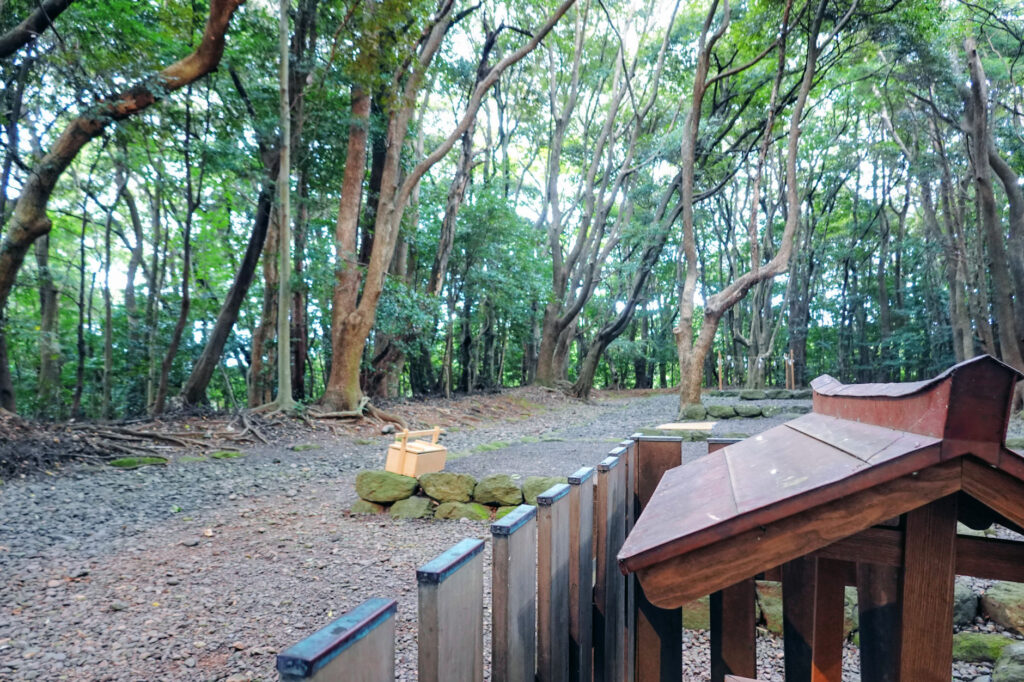
祭場の中から外を撮影。こんな機会はもう訪れないかもと。
なぜか祭礼行事に参加できることになり、神職らしき方に撮影についてお尋ねすると「撮影?どうぞ!」と許可をいただけました。
信じの作法など分からず、見よう見まねで頭を下げたり、目を瞑ったりして、何とかやり過ごしながら、撮れるシーンは撮影。
今思い出しても、あれが何だったのかはよく分からないままです。
ただ、大変貴重な体験であったことは間違いありません。
秋が来るたびに思い出す、僥倖。
(以下の写真は2019年10月3日撮影)
宗像大社・高宮祭場の場所
〒811-3505 福岡県宗像市田島2224
この記事に近い記録

English Summary
An English summary has been added below to share these records with readers around the world.
Please note: This summary was generated using AI translation (DeepL or Gemini). While we strive for accuracy, some technical terms or subtle nuances of local history may differ from the original Japanese.
Topic: A Serendipitous Sacred Rite: Unexpectedly joining the ancient Autumn Festival at Munakata Taisha’s Takamiya Saijo.
Summary: For residents of Fukuoka, Munakata Taisha is a deeply familiar sanctuary, famous for its protection over all “paths” (transportation and life journeys). The author, who moved to the region as an adult, initially visited the shrine to find mental clarity and relief from urban fatigue. One day, following a vague notice on the shrine’s website, the author arrived with a camera just as the Autumn Grand Festival was concluding.
By a stroke of incredible luck, the author found the gates to the Takamiya Saijo—one of the most sacred and ancient ritual sites—wide open. Encouraged by local photographers and granted unexpected permission by a priest, the author was allowed to enter the ritual grounds and document the solemn ceremony. This serendipitous participation in a restricted, ancient rite remains a profound and mysterious “stroke of good fortune” that the author recalls every autumn.