山の中になぜか海の痕跡がある_移住した豊前市周辺で目にした、山の中の海。
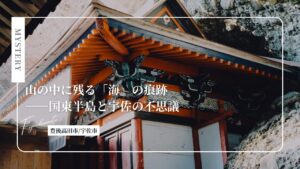
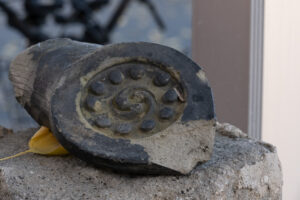
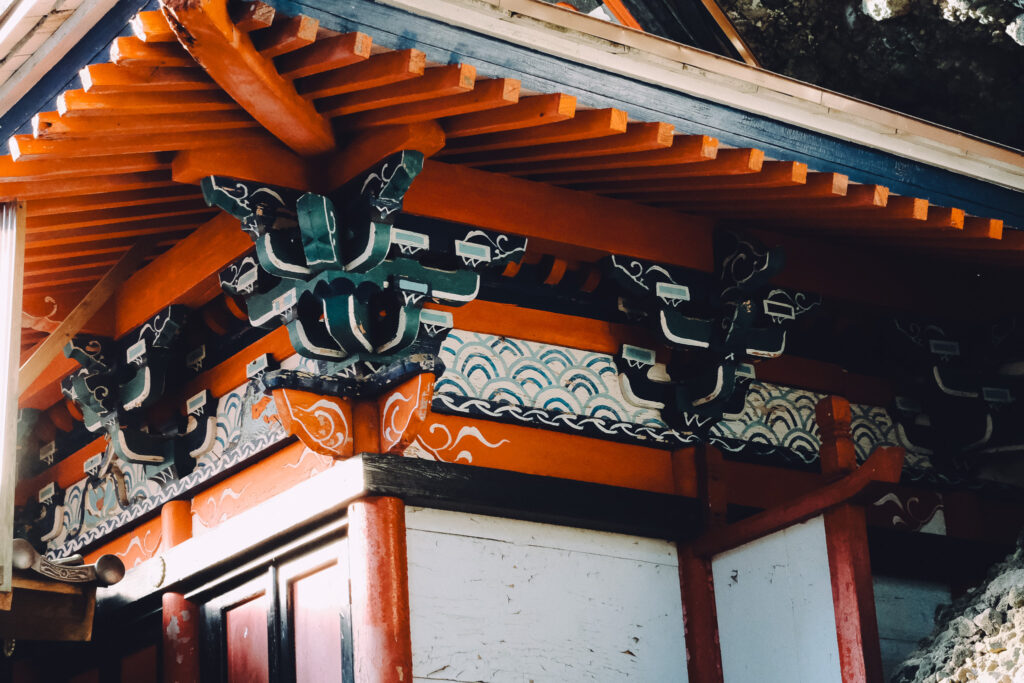
たとえば国東半島・六郷満山の天念寺の本堂に残されていた海の模様がそうです。

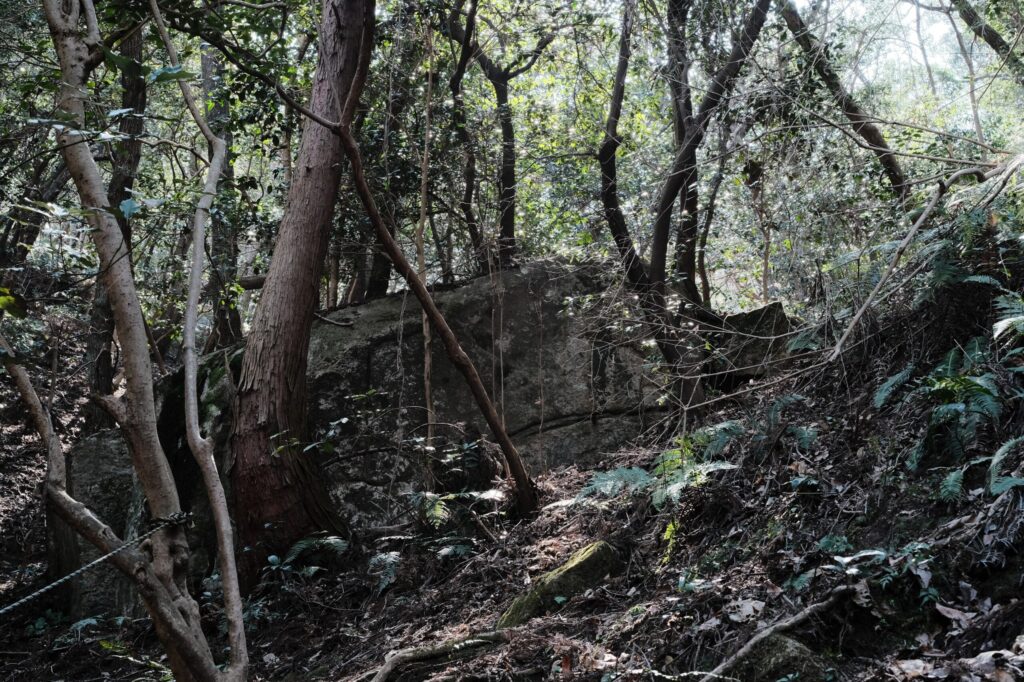
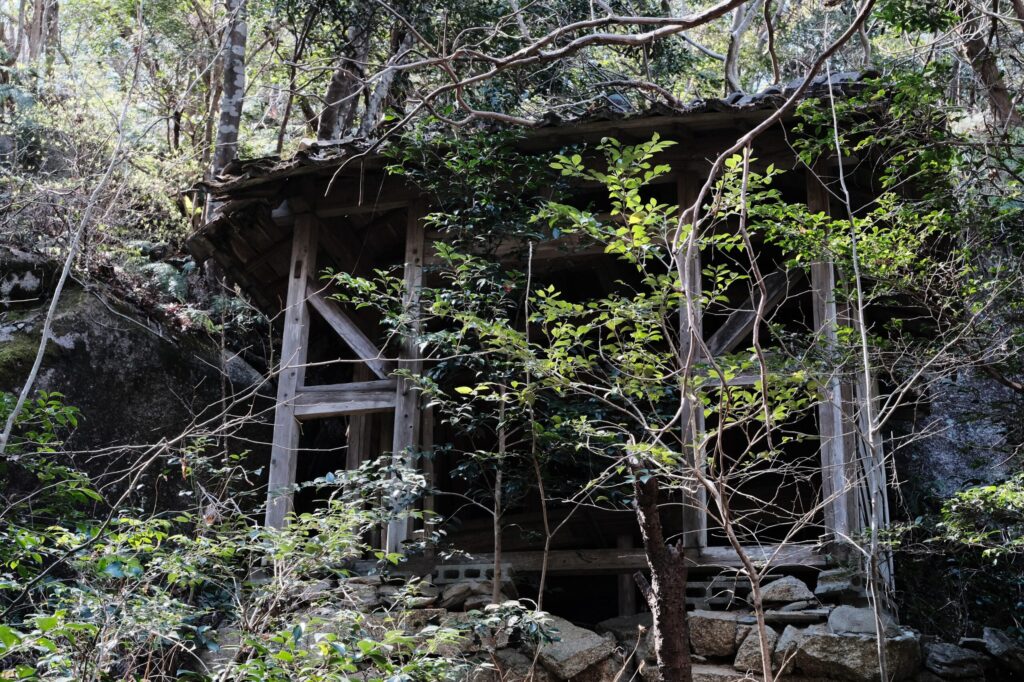
他にも山頂に金毘羅様や、山深い夷谷で見つけた蛭子社(えびすしゃ)も、山の中の「海」です。
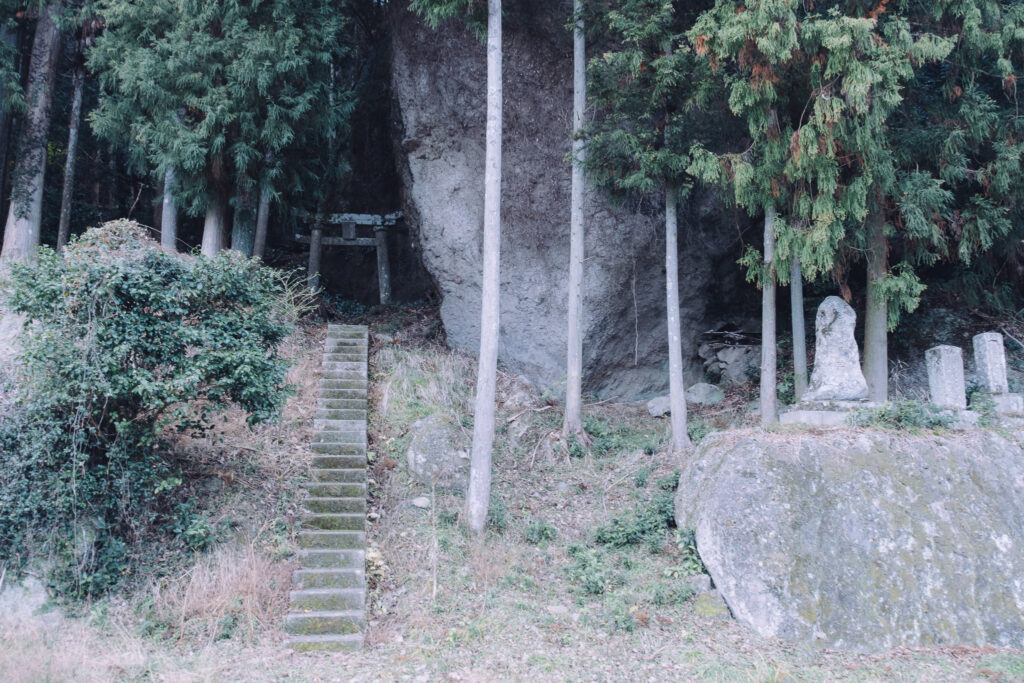
山の中に海が残っていたのは、かつて九州・瀬戸内海・紀伊半島に強い影響を持つ、ある豪族たちや、そのルーツを示すものではないかと考えるようになりました。
そこで思い出したのが、行橋市の史跡の入口にあった「海の神」を祀る神社の存在です。
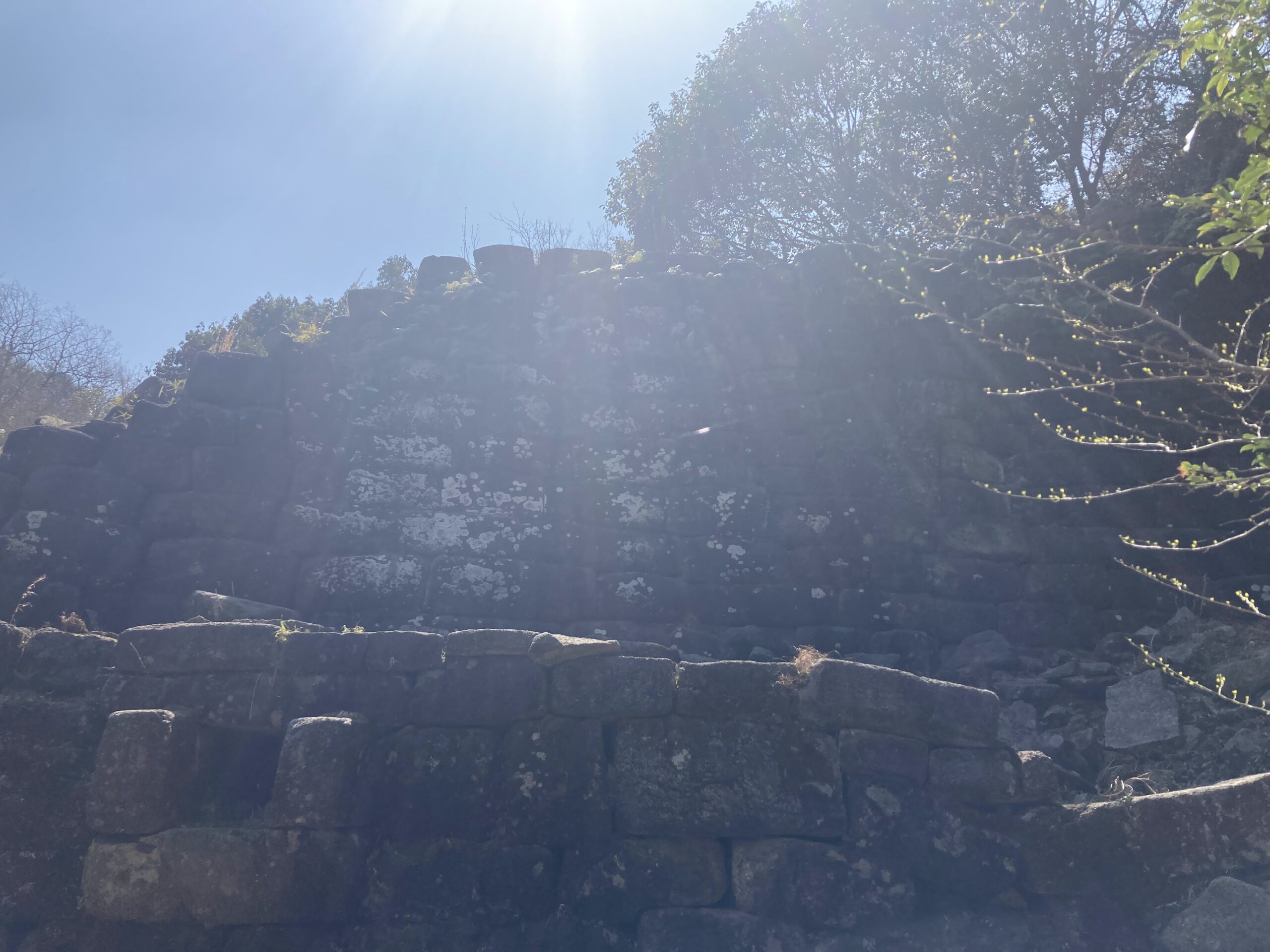
御所ヶ谷神籠石(ごしょがたにこうごいし)は、福岡県行橋市・みやこ町にまたがる御所ヶ岳(ホトギ山)に築かれた7世紀後半頃の古代山城(神籠石系山城)で、山頂部から尾根に沿って約3kmにわたる列石・土塁・石塁が巡らされ、特に大規模な中門の石塁と水門が残る国指定史跡です。
記紀に載らない謎の古代遺跡「御所ヶ谷神籠石」の麓の「住吉神社」
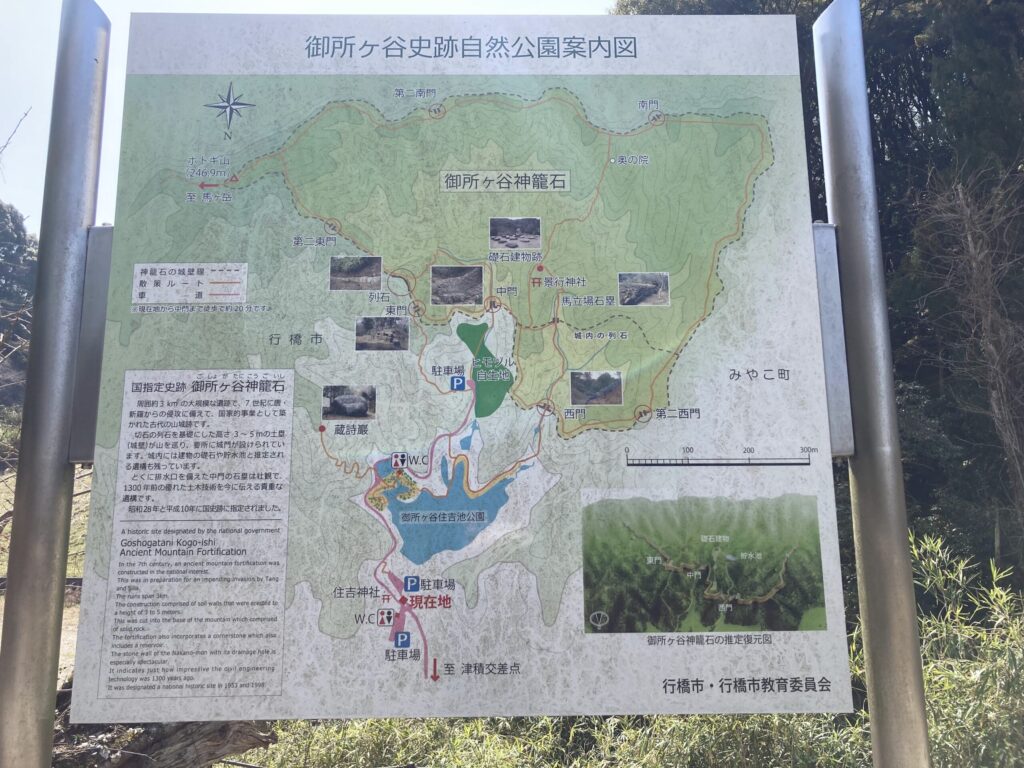
御所ヶ谷神籠石のエリアは大変広大で、自然公園になっています。
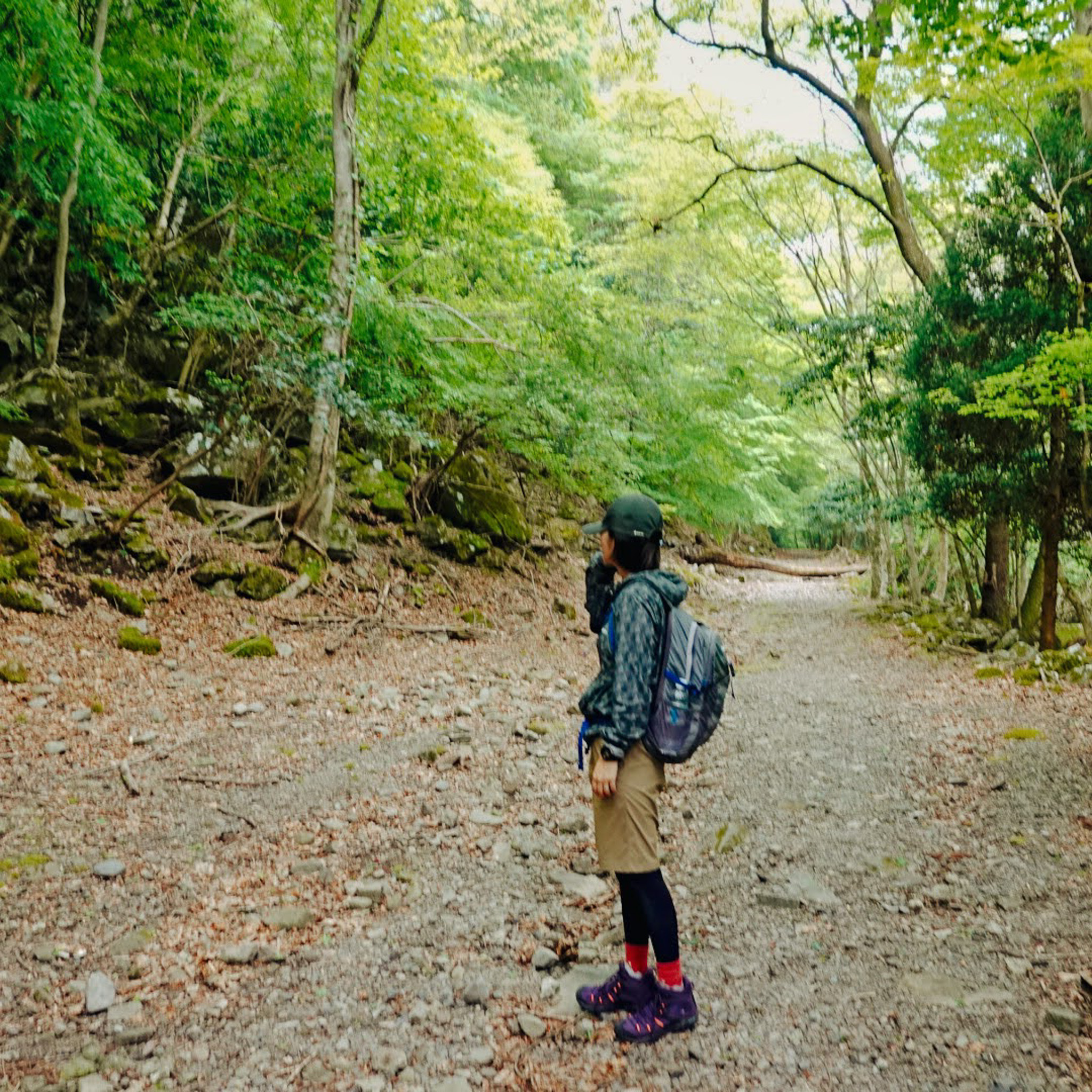
2024年3月に、一度行ってみようと訪れた歳、看板の一番下側、史跡の入口側の駐車場に停めて、神籠石の中門を目指すことにしました。
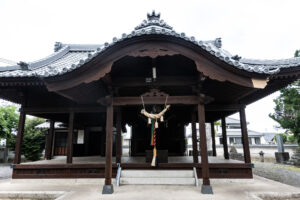
この画像はおそらく駐車場エリアで撮影しました。
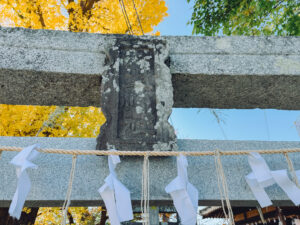
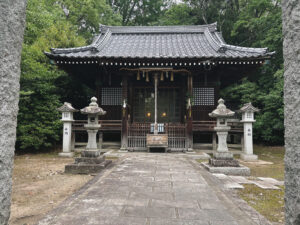
その駐車場のすぐ近くになぜか住吉神社があったのです。
「なぜ、こんな山奥の史跡に海の神様を祀る住吉神社があるのだろう?」という本当にごく僅かな疑問でしかなく、見過ごしていました。

しかしこれまで謎を追ってきて、この神籠石が磐井に関わる遺跡であるとしたら。
この場所に海の神である住吉神社が祀られていることに納得したのでした。


そして景行神社のずっと先、巨石の向こうにひっそりと残されていた「奥の院」は、「海の神」の奥の院なのかもしれない。
そう思いを巡らせました。


「御所ヶ谷神籠石」の麓の「住吉神社」の場所
日本、〒824-0047 福岡県行橋市津積

福岡県神社誌で確認
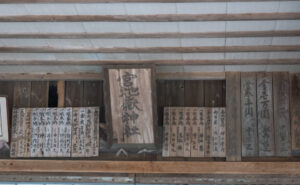
住吉神社
上筒之男命、中筒之男命、下之男命外七柱
稗田村大字津積字住吉
現住所と異なるのは「住吉」という地名です。
地名に残るということは、「住吉」の神と関わりが深い場所だったのでしょうか。
English Summary
An English summary has been added below to share these records with readers around the world.
Please note: This summary was generated using AI translation (DeepL or Gemini). While we strive for accuracy, some technical terms or subtle nuances of local history may differ from the original Japanese.
Topic: Sea Gods in the Mountains: Decoding the maritime legacy of Goshogatani Kogoishi and the Sumiyoshi Shrine.
Summary: The author explores the paradox of finding “Oceanic Traces” deep within the mountains of Northern Kyushu. At the foot of Goshogatani Kogoishi, a mysterious 7th-century ancient mountain castle in Yukuhashi City, stands a Sumiyoshi Shrine dedicated to the gods of the sea.
While such a location for a maritime shrine might seem misplaced, the author connects it to the Azumi people (an ancient seafaring clan) and the historical figure Tsukushi-no-Kimi Iwai. These groups, who once held significant influence over the Seto Inland Sea, likely left their mark on these inland sites. The presence of the name “Sumiyoshi” in local records suggests that this mountainous region was once a vital stronghold for seafaring lineages, hinting at a hidden geography where the mountains and the sea were spiritually and politically intertwined.